
Institute for European Security Studies
Countering Disinformation in Central and Eastern Europe
Countering Disinformation in Central and Eastern Europe

The Insider exposed the special Kremlin unit behind disinformation, whose operations IESS has been tracking across a dozen European countries. Now, this unit delivers sabotage, not just disinformation.
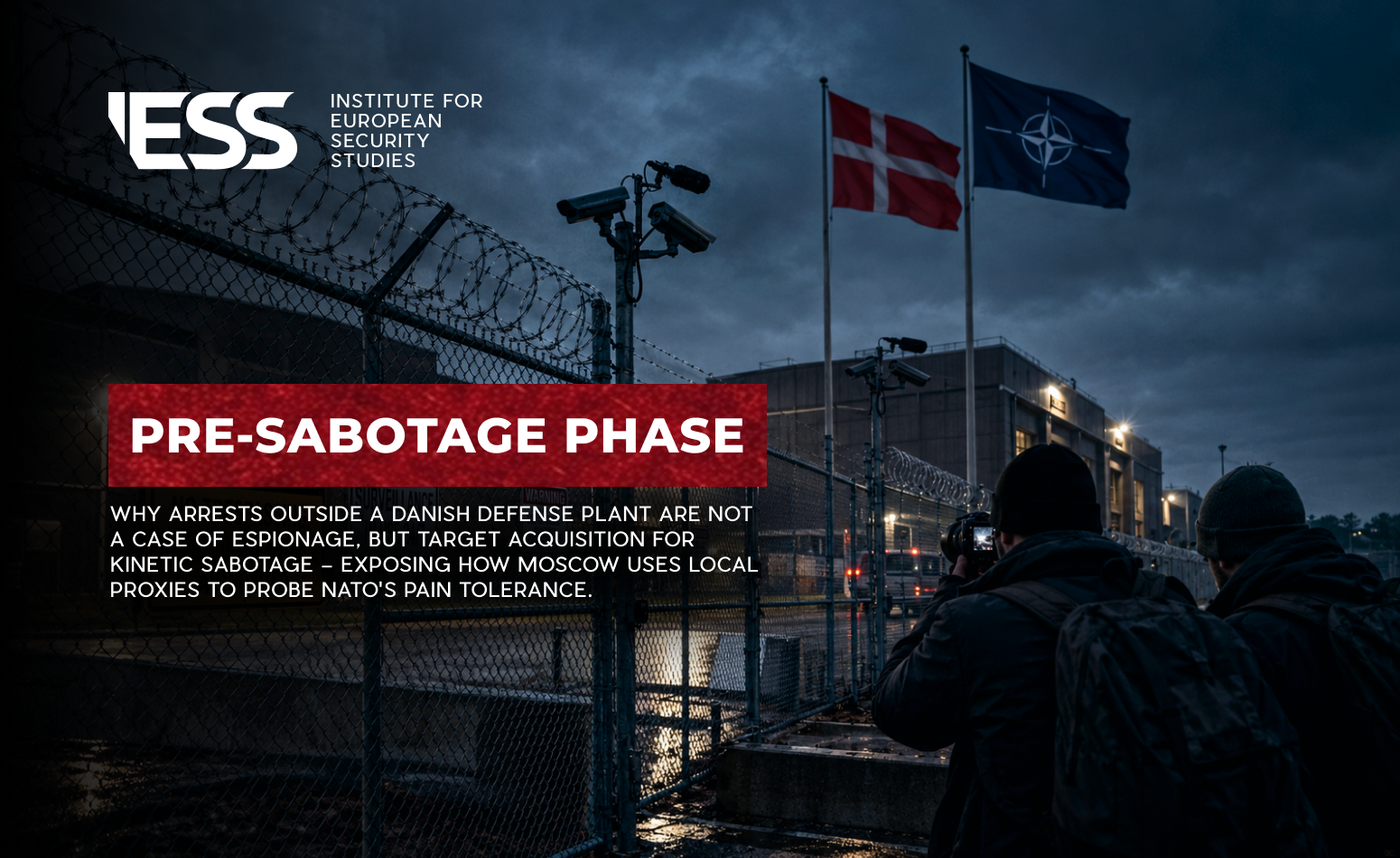
Why arrests outside a Danish defense plant are not a case of espionage, but target acquisition for kinetic sabotage – exposing how Moscow uses local proxies to probe NATO's pain tolerance.

Adam Sybera on Andrej Babiš, Czech Populism and the Politics of Self-Preservation.
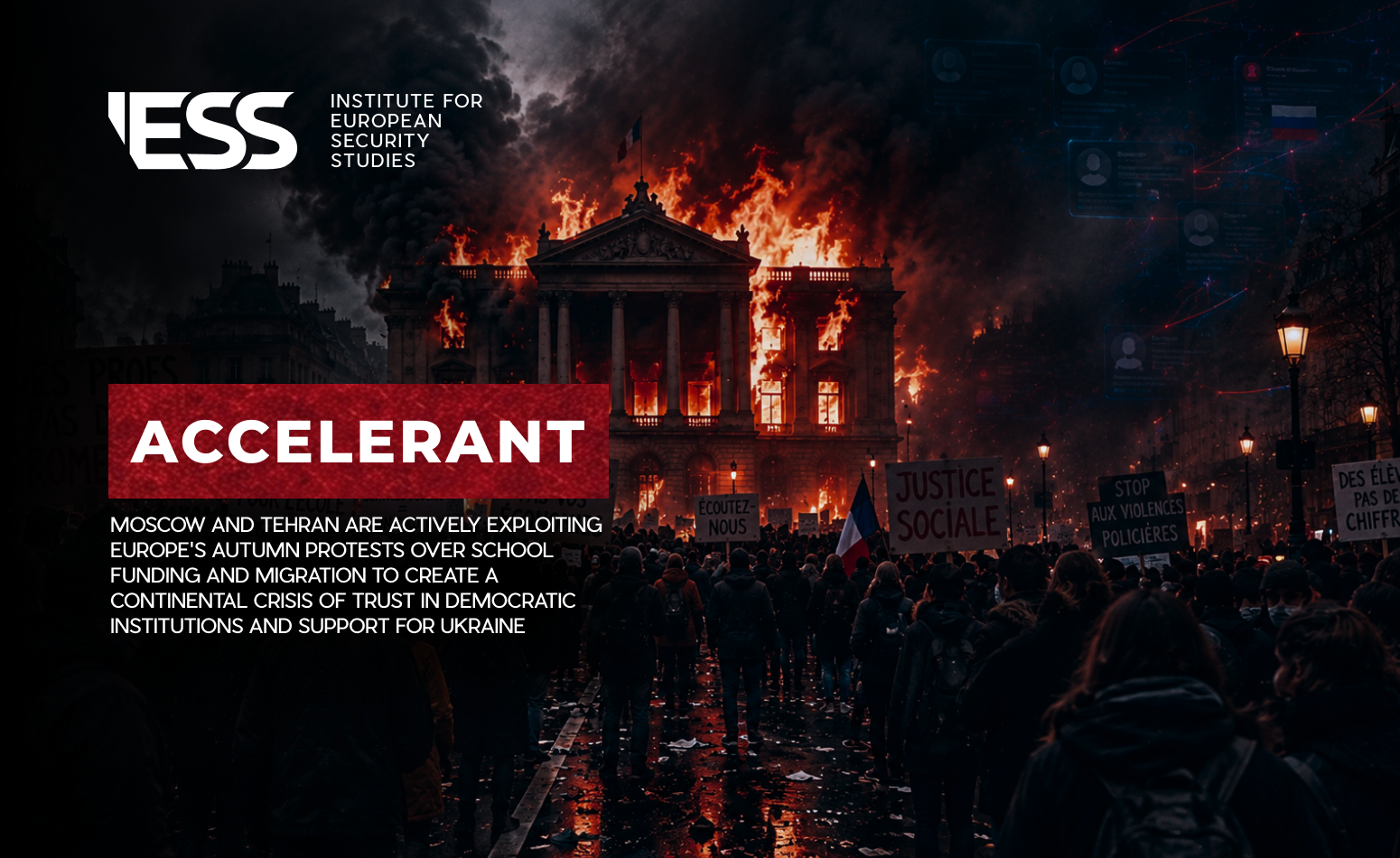
Moscow and Tehran are actively exploiting Europe's autumn protests over school funding and migration to create a continental crisis of trust in democratic institutions and support for Ukraine.
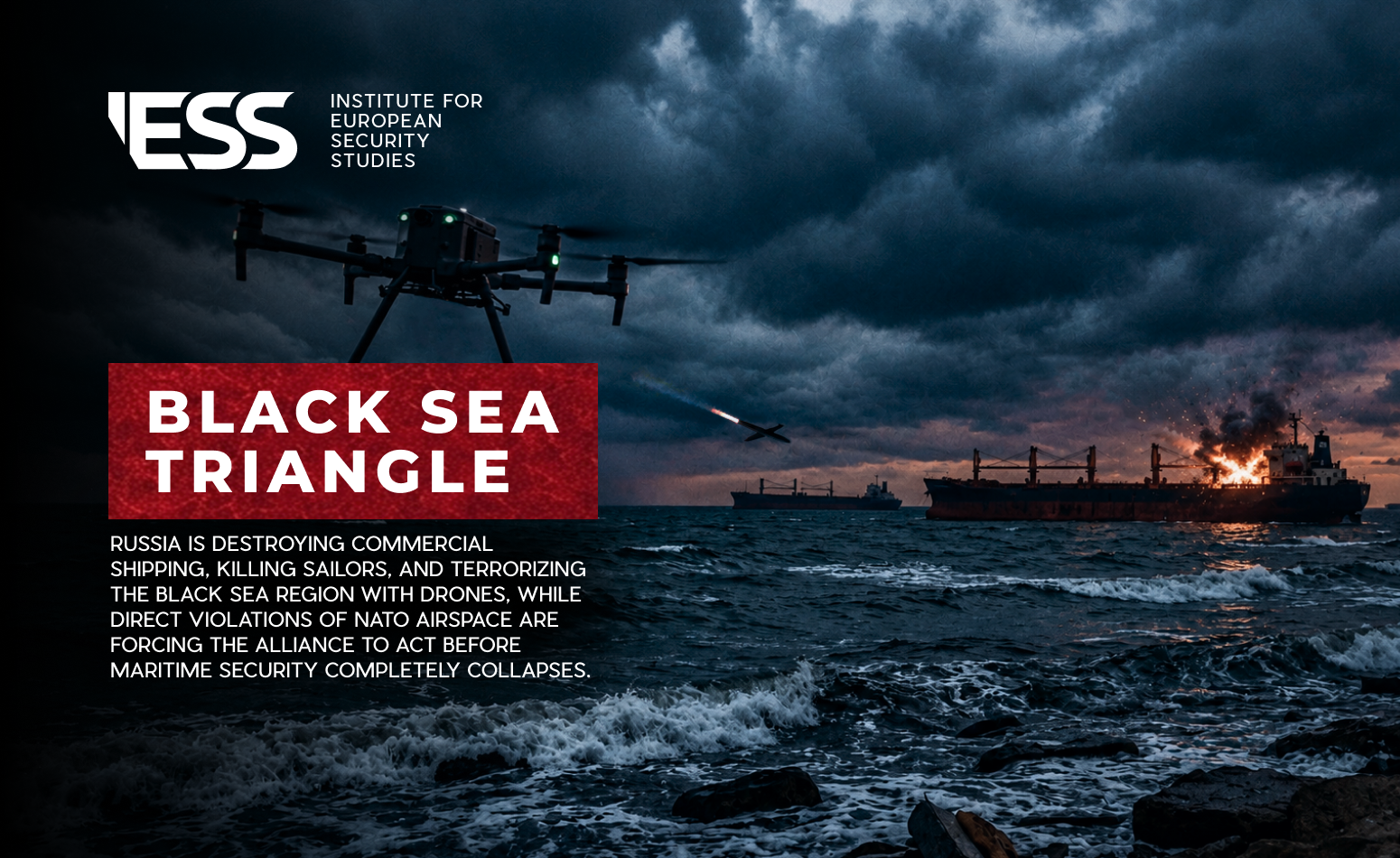
Russia is destroying commercial shipping, killing sailors, and terrorizing the Black Sea region with drones, while direct violations of NATO airspace are forcing the Alliance to act before maritime security completely collapses

Czech outlets are calling in unison with Kremlin that US aid to Ukraine an unsustainable financial burden, but It amounts to roughly 0.13% of America's GDP.
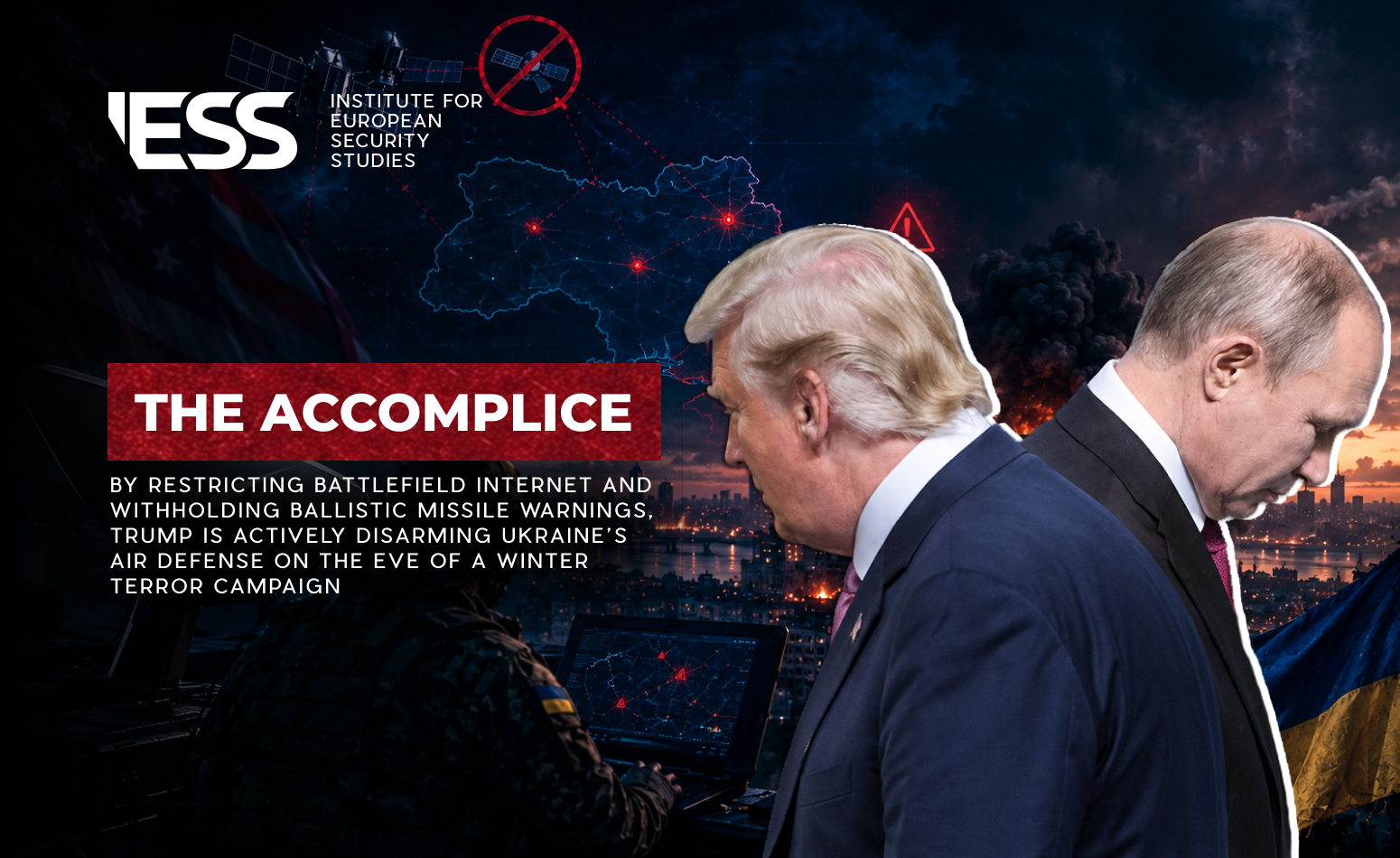
By restricting battlefield internet and withholding ballistic missile warnings, Trump is actively disarming Ukraine’s air defense on the eve of a winter terror campaign.
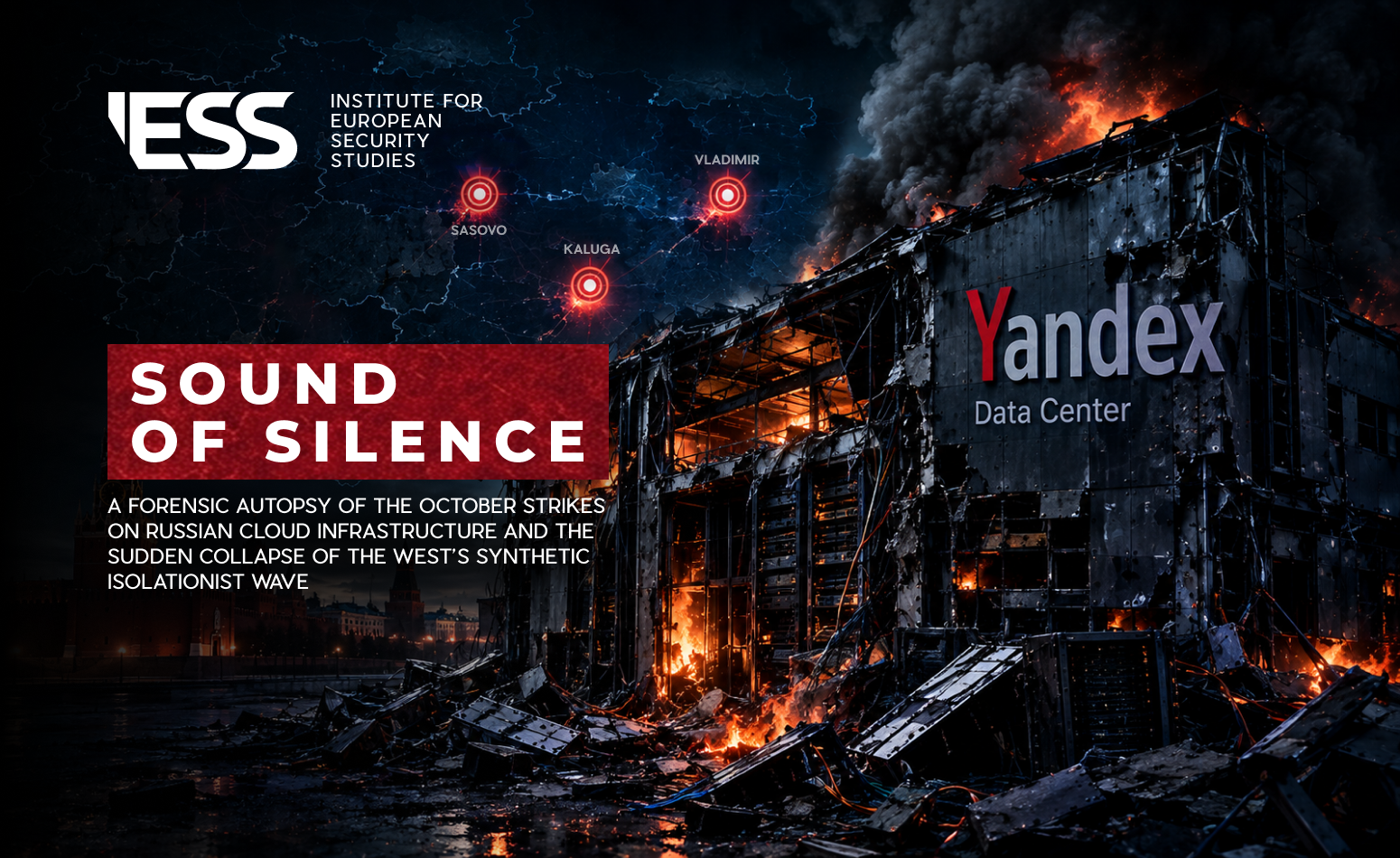
A forensic autopsy of the October strikes on Russian cloud infrastructure and the sudden collapse of the West’s synthetic isolationist wave.
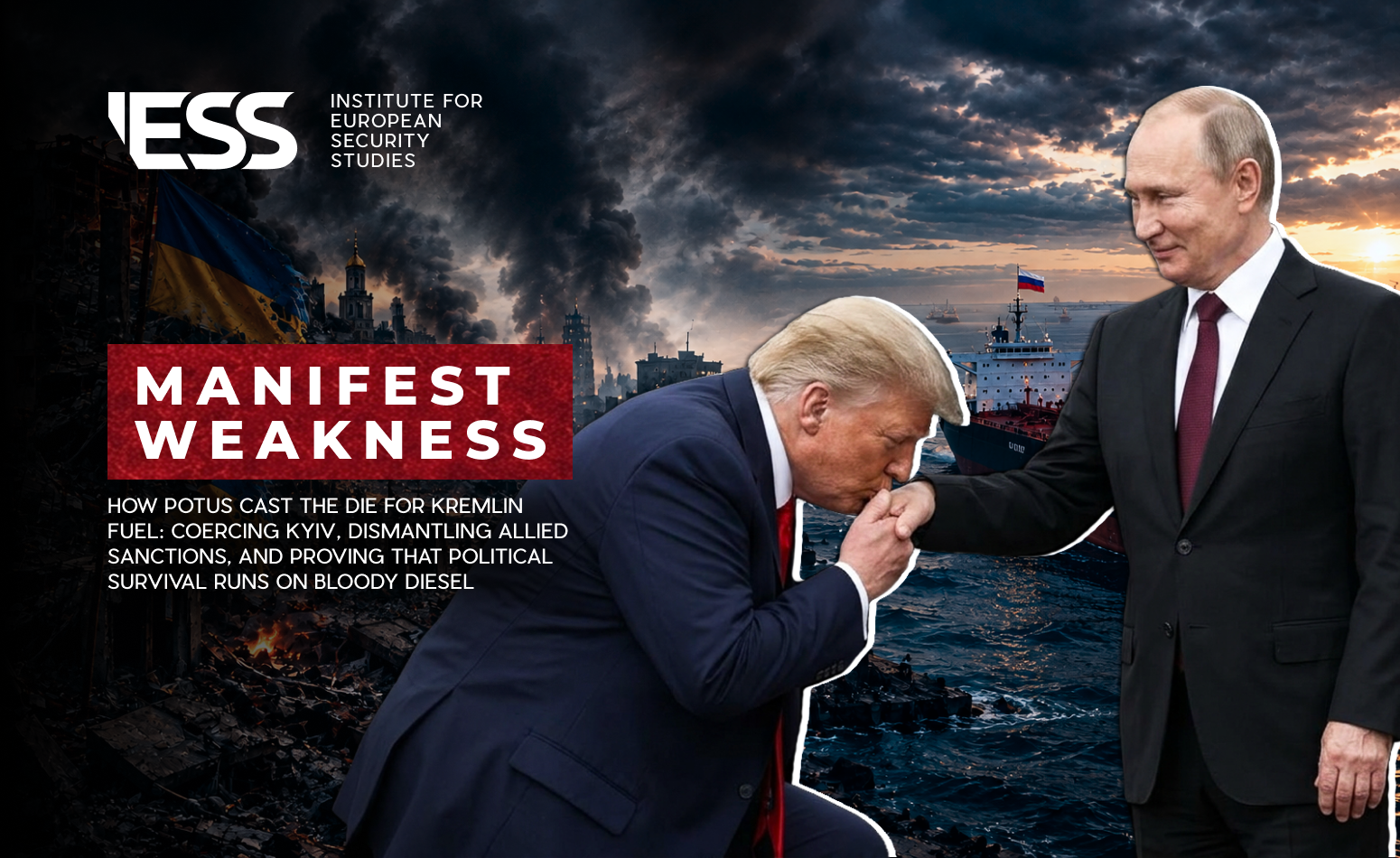
How POTUS cast the die for Kremlin fuel: coercing Kyiv, dismantling allied sanctions, and proving that political survival runs on bloody diesel.

Russian war criminal Surovikin must face punishment for his crimes.
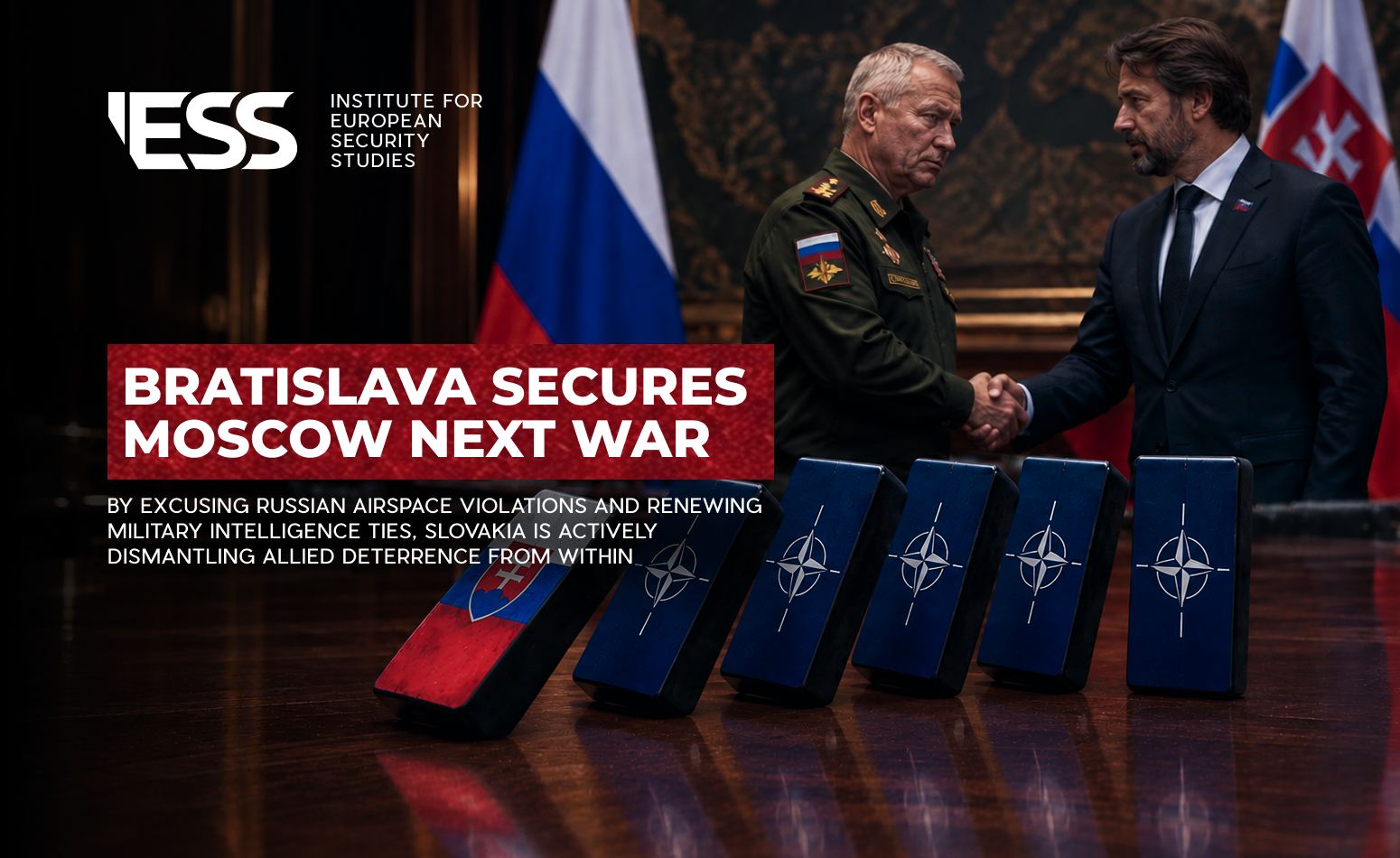
By excusing Russian airspace violations and renewing military intelligence ties, Slovakia is actively dismantling allied deterrence from within.
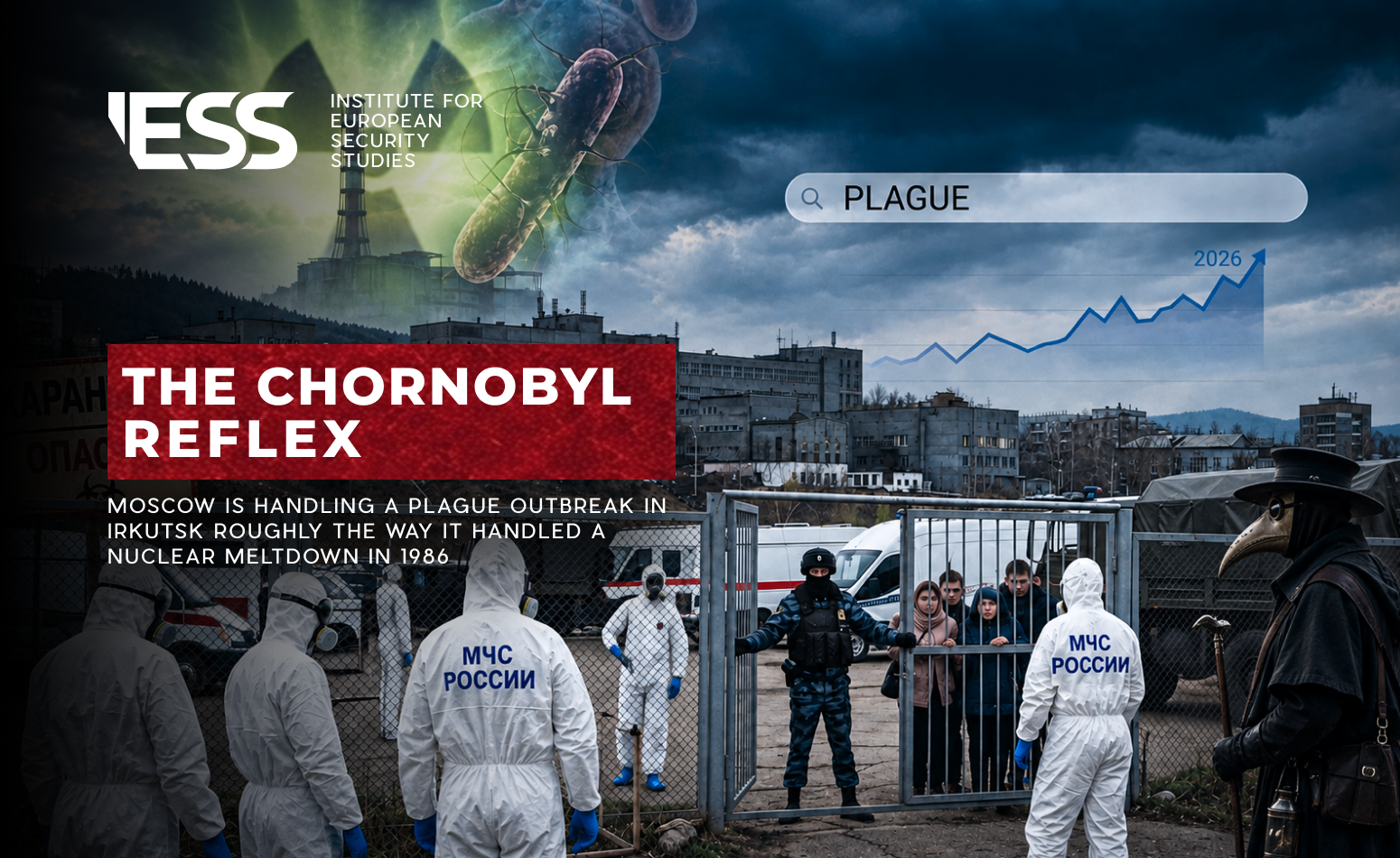
Moscow is handling a plague outbreak in Irkutsk roughly the way it handled a nuclear meltdown in 1986.
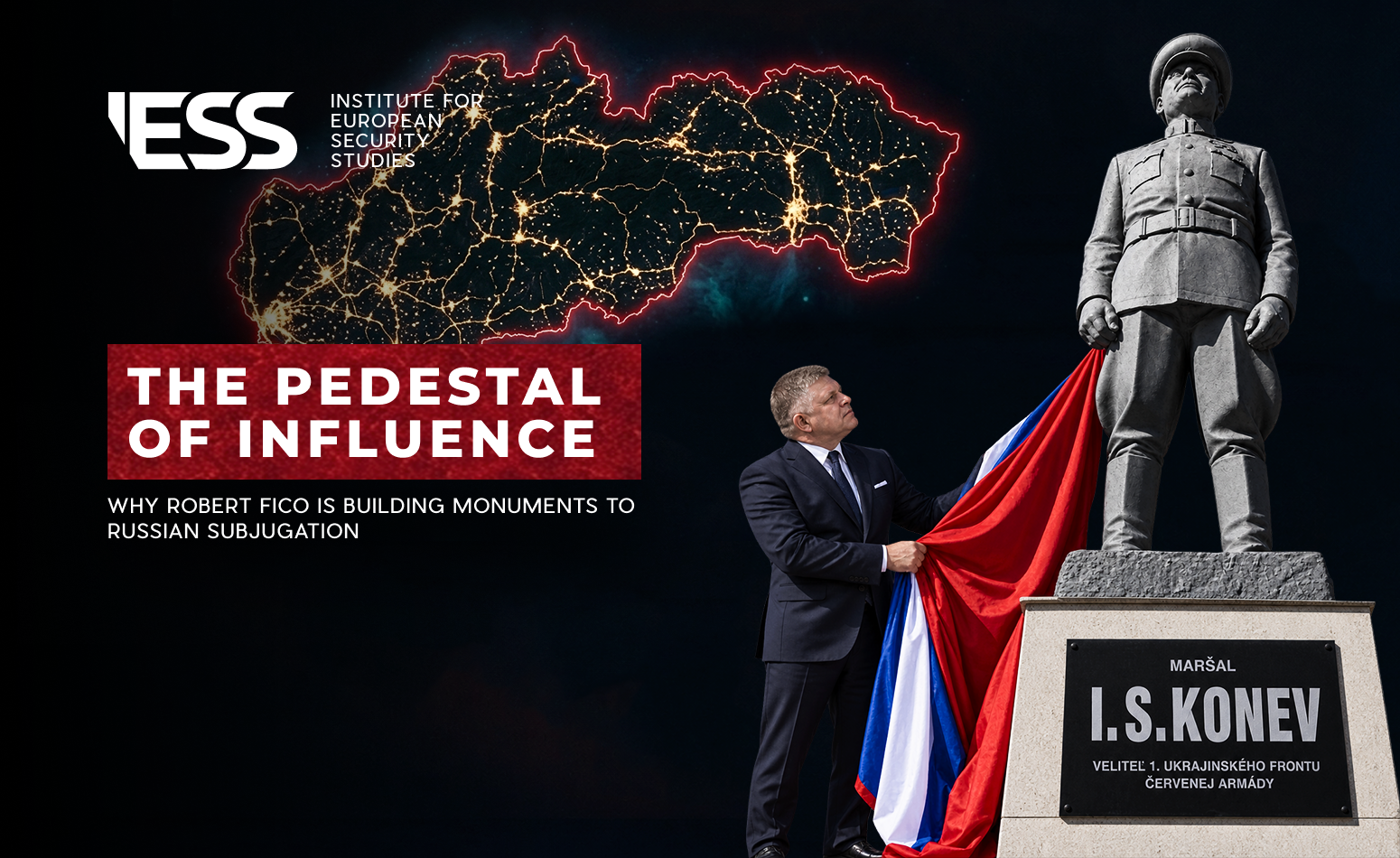
Why Robert Fico is building monuments to Russian subjugation.
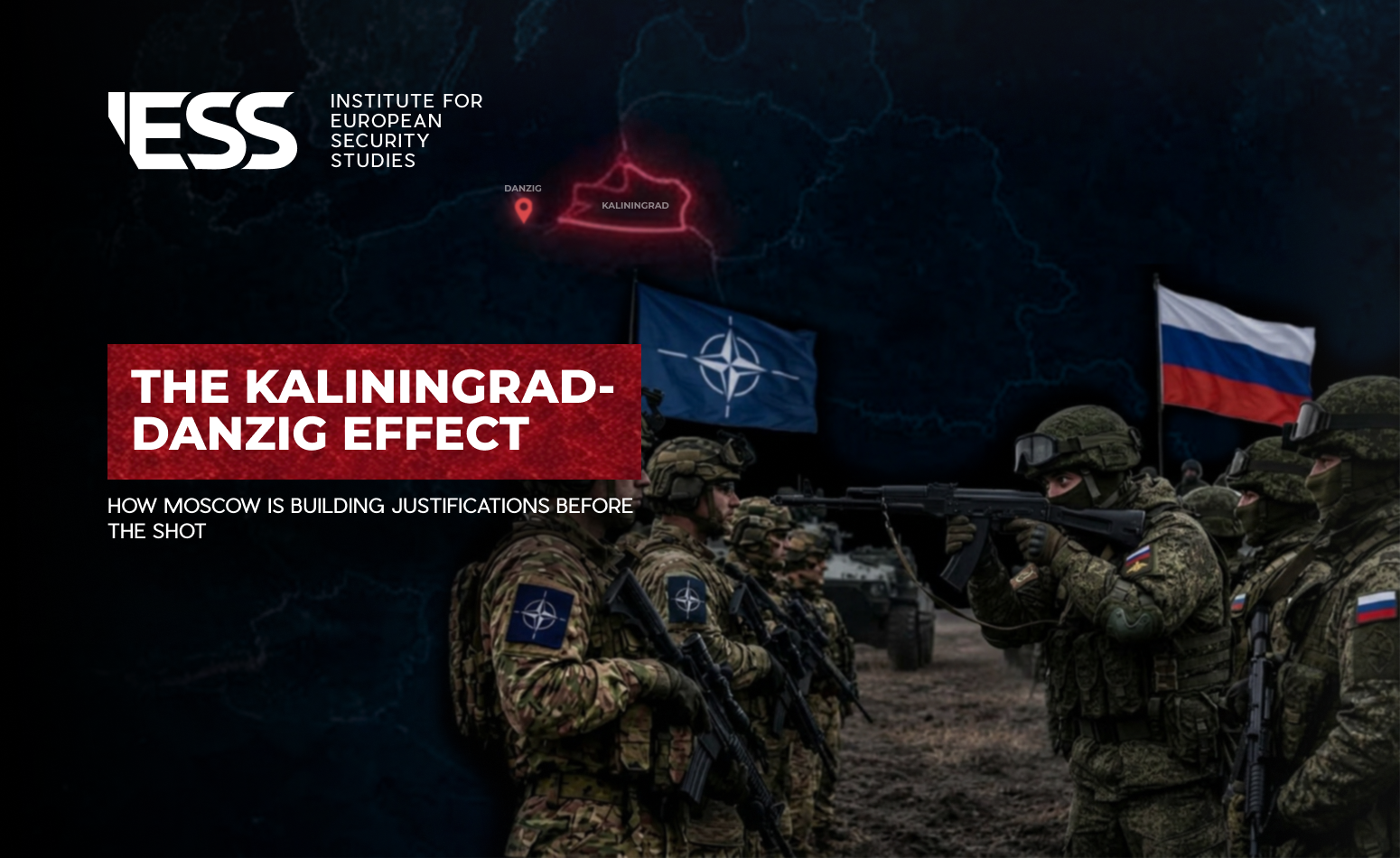
How Moscow is building justifications before the shot.
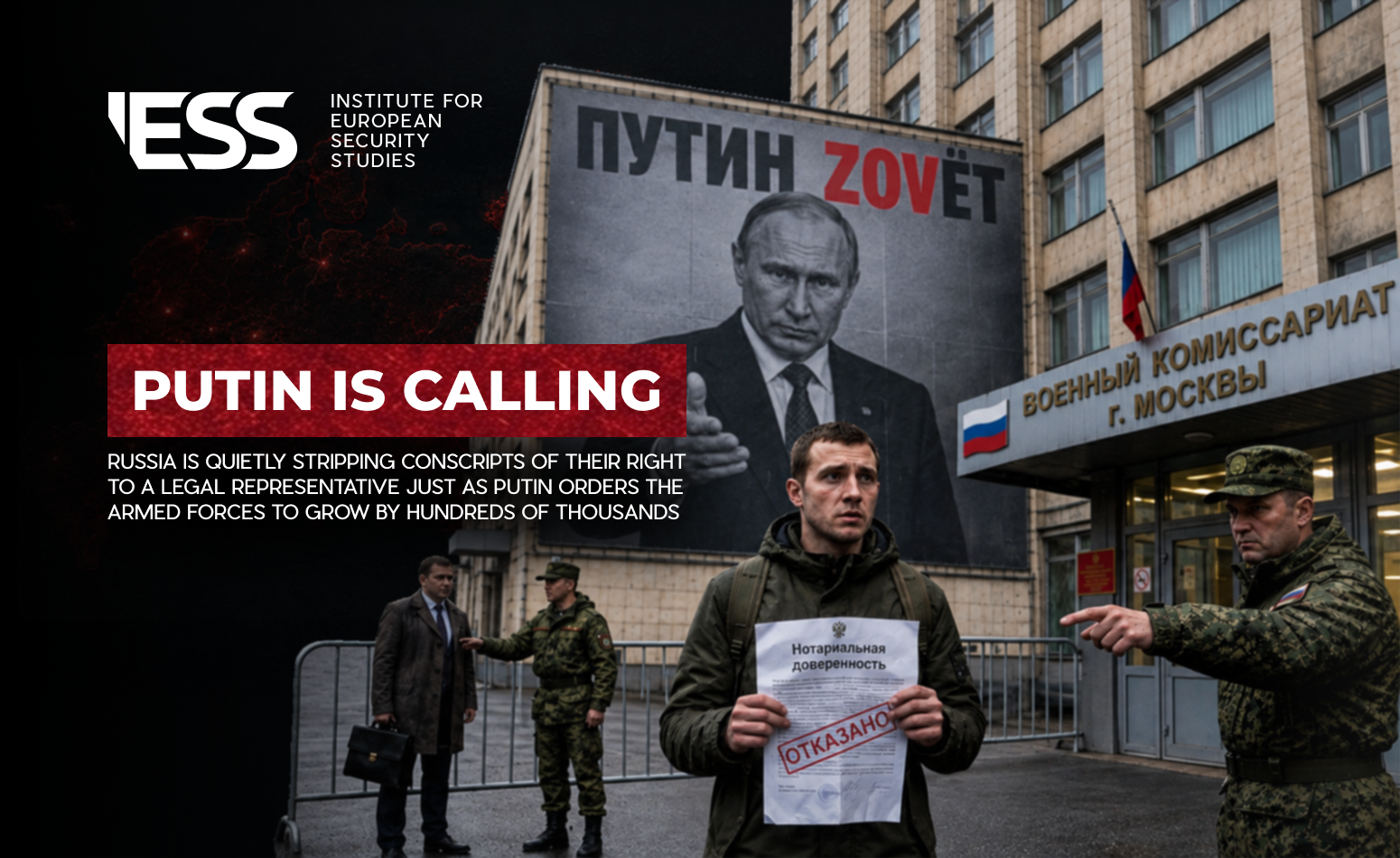
Russia is quietly stripping conscripts of their right to a legal representative just as Putin orders the armed forces to grow by hundreds of thousands.
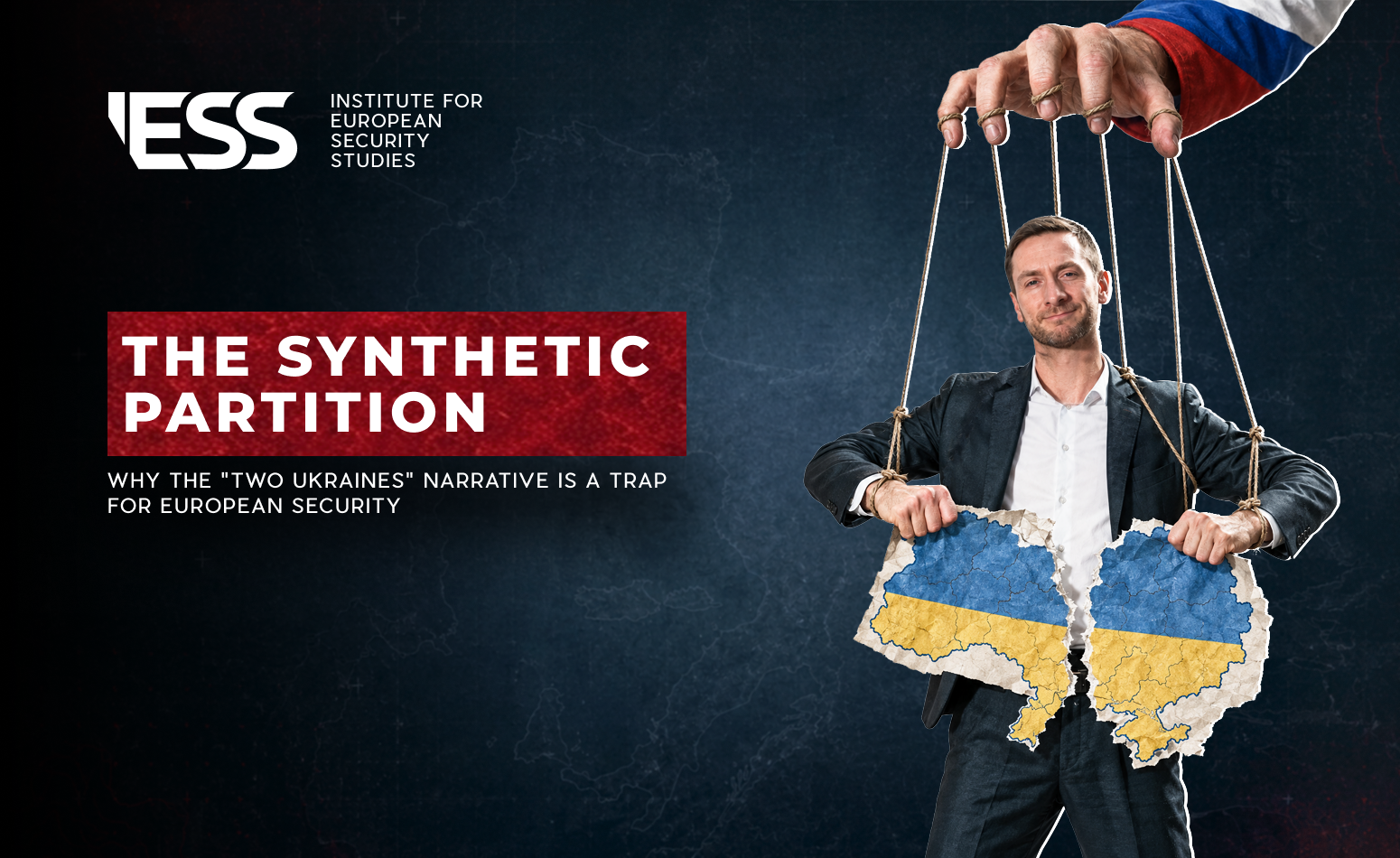
Why the "Two Ukraines" narrative is a trap for European security.
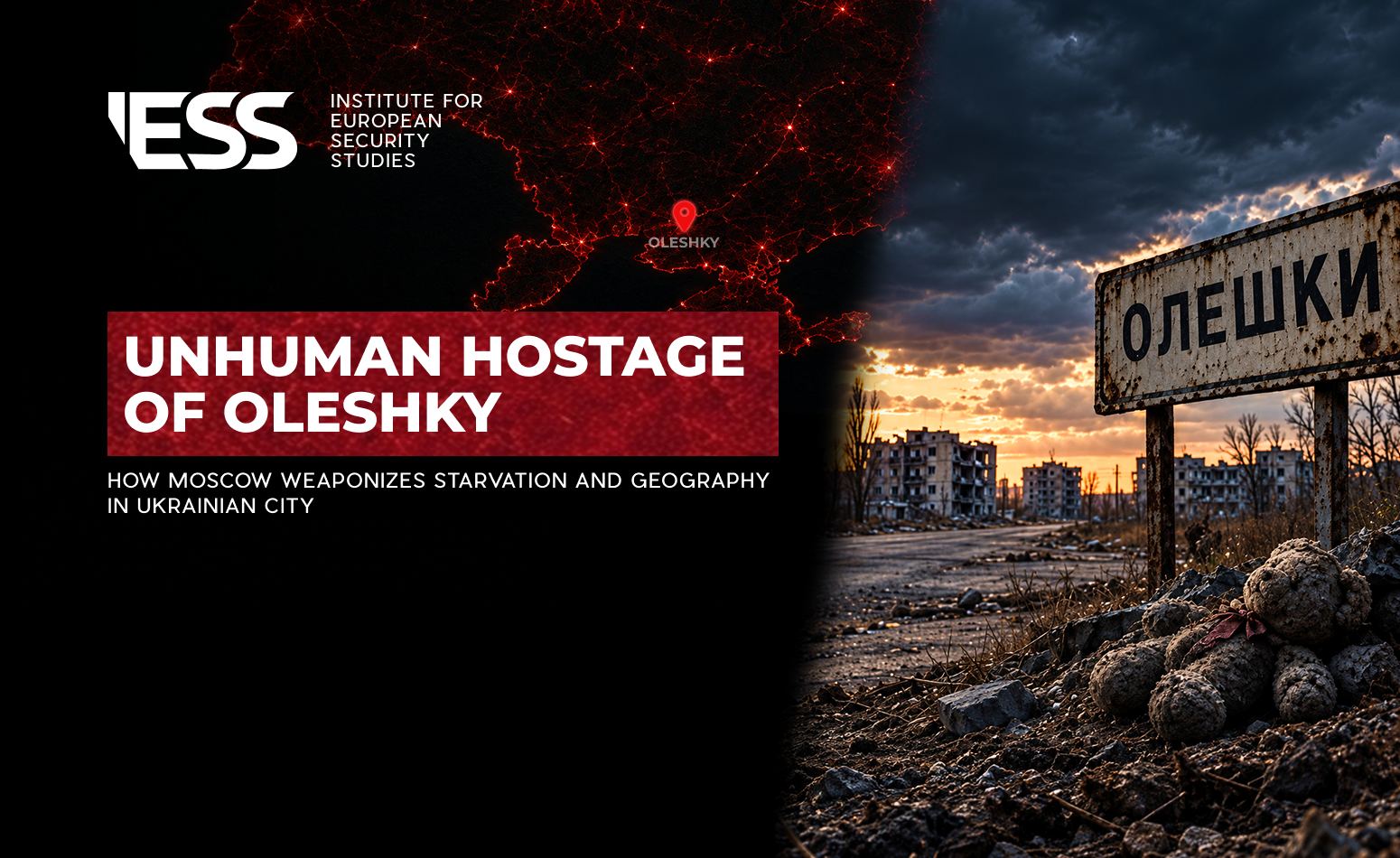
How Moscow weaponizes starvation and geography in Ukrainian city.
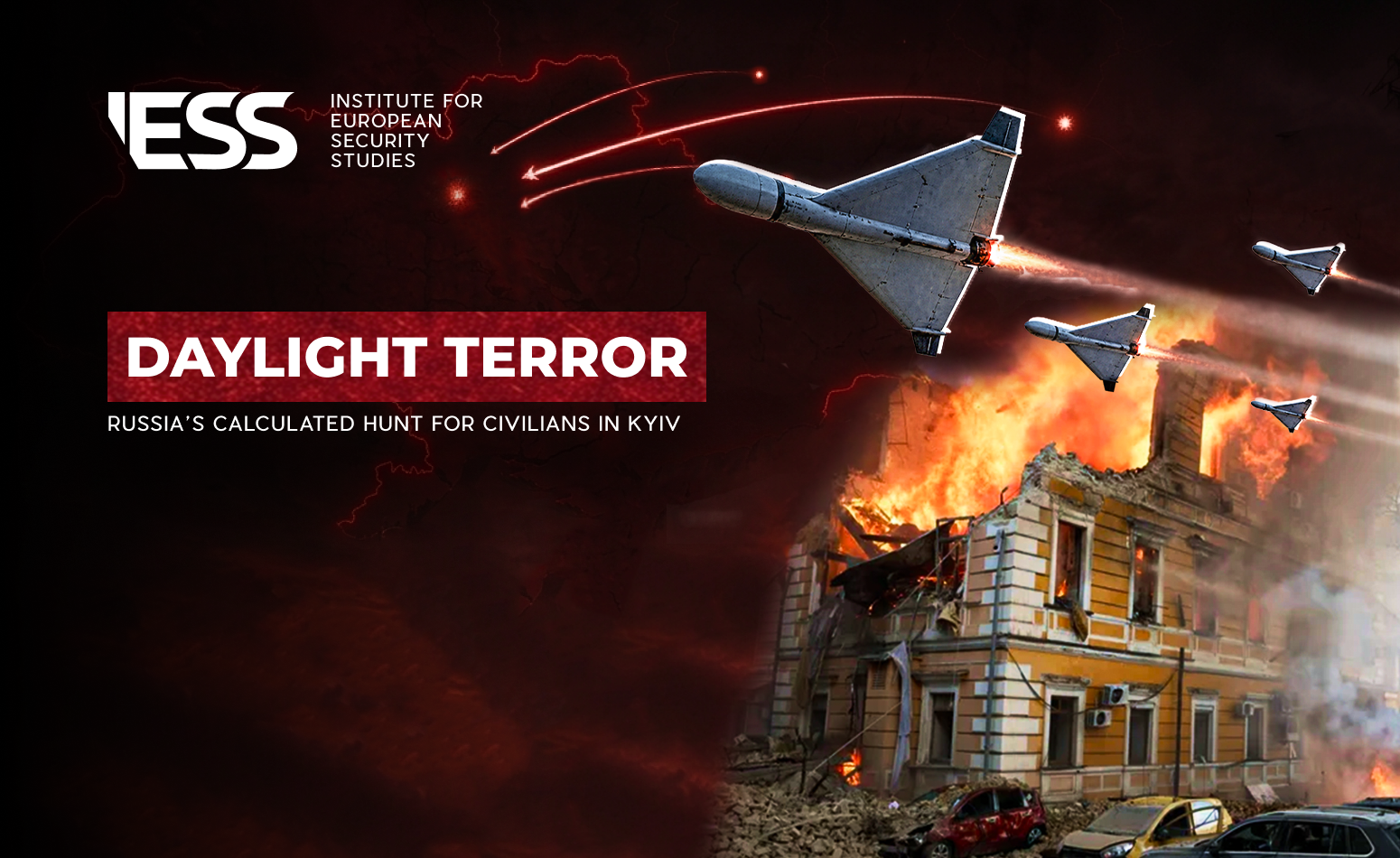
Russia’s calculated hunt for civilians in Kyiv.
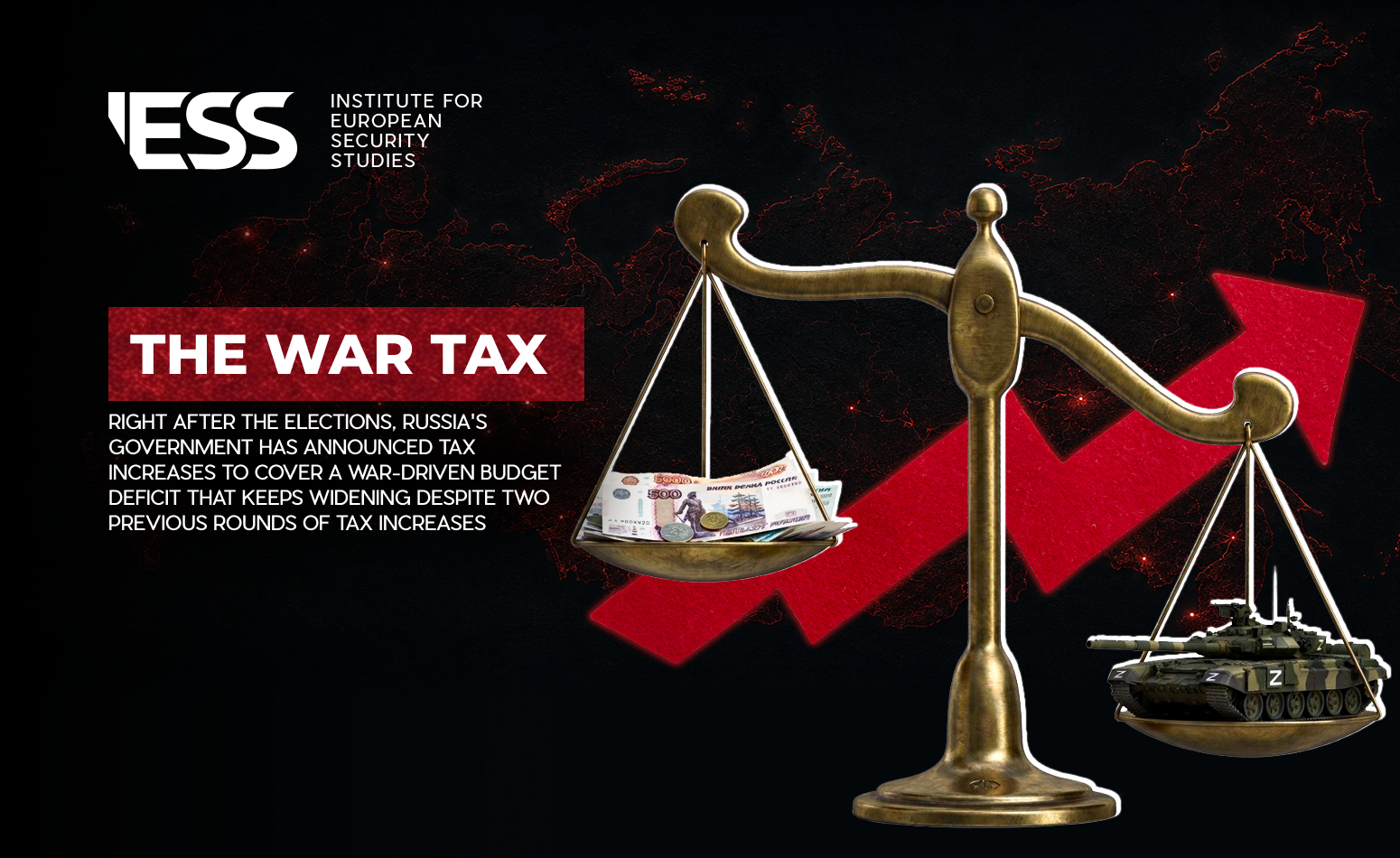
Right after the elections, Russia's government has announced tax increases to cover a war-driven budget deficit that keeps widening despite two previous rounds of tax increases.

Russia’s state nuclear company is scaling up production of drones already testing Polish & Romanian airspace, while the West’s dependence on Russian nuclear fuel shields Rosatom from the sanctions.
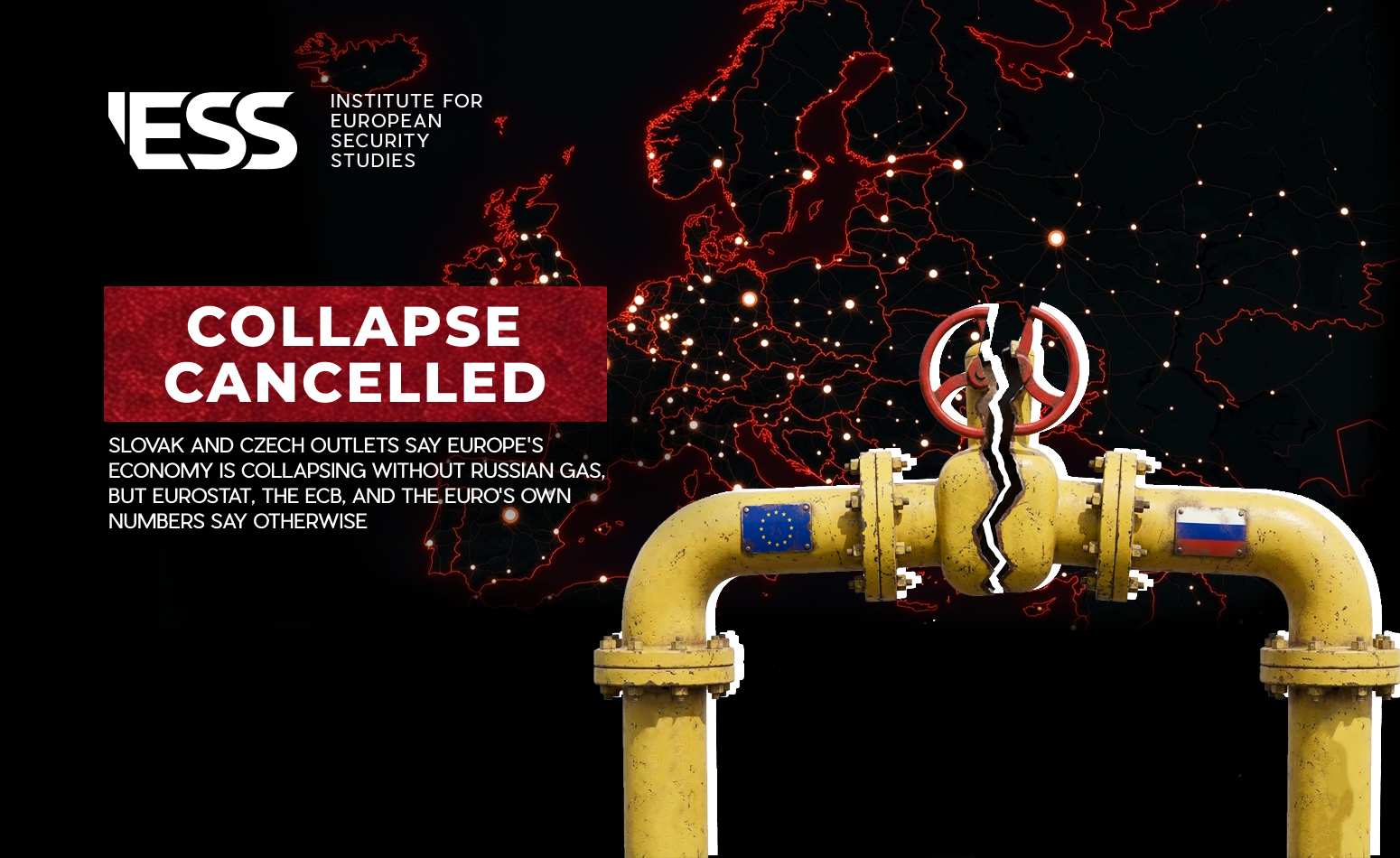
Slovak and Czech outlets say Europe's economy is collapsing without Russian gas, but Eurostat, the ECB, and the euro's own numbers say otherwise/
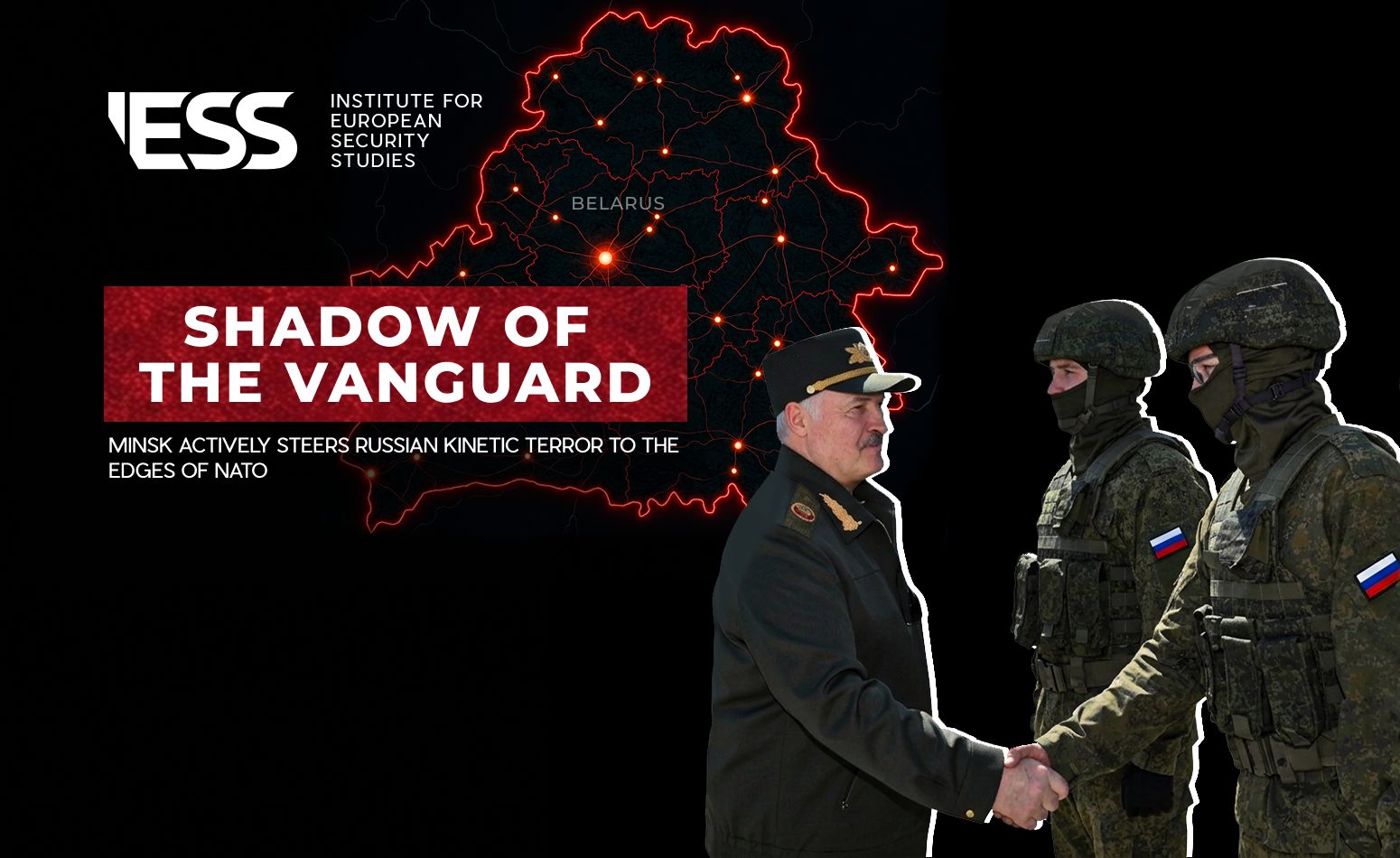
Minsk actively steers Russian kinetic terror to the edges of NATO.
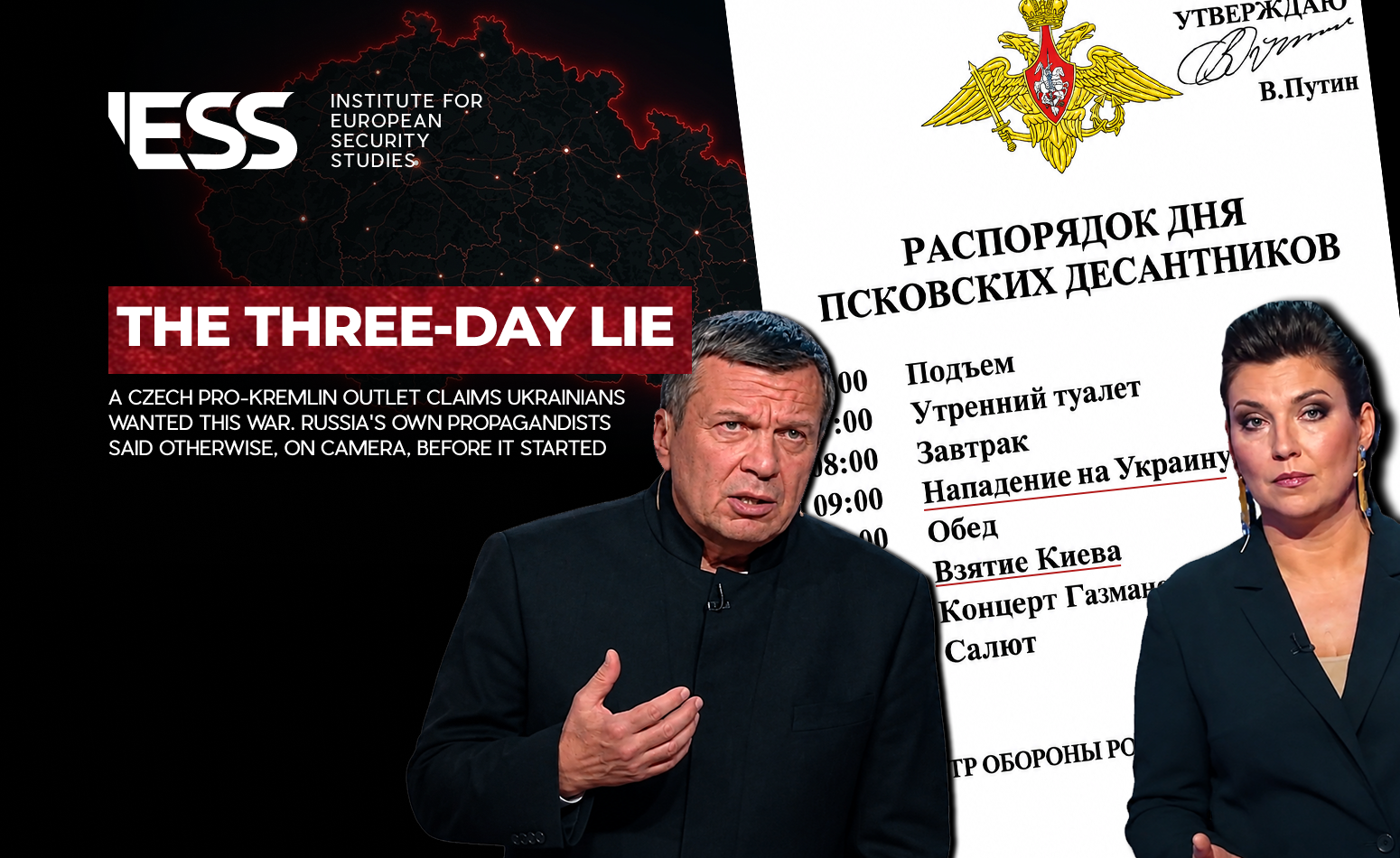
A Czech pro-Kremlin outlet claims Ukrainians wanted this war. Russia's own propagandists said otherwise, on camera, before it started.
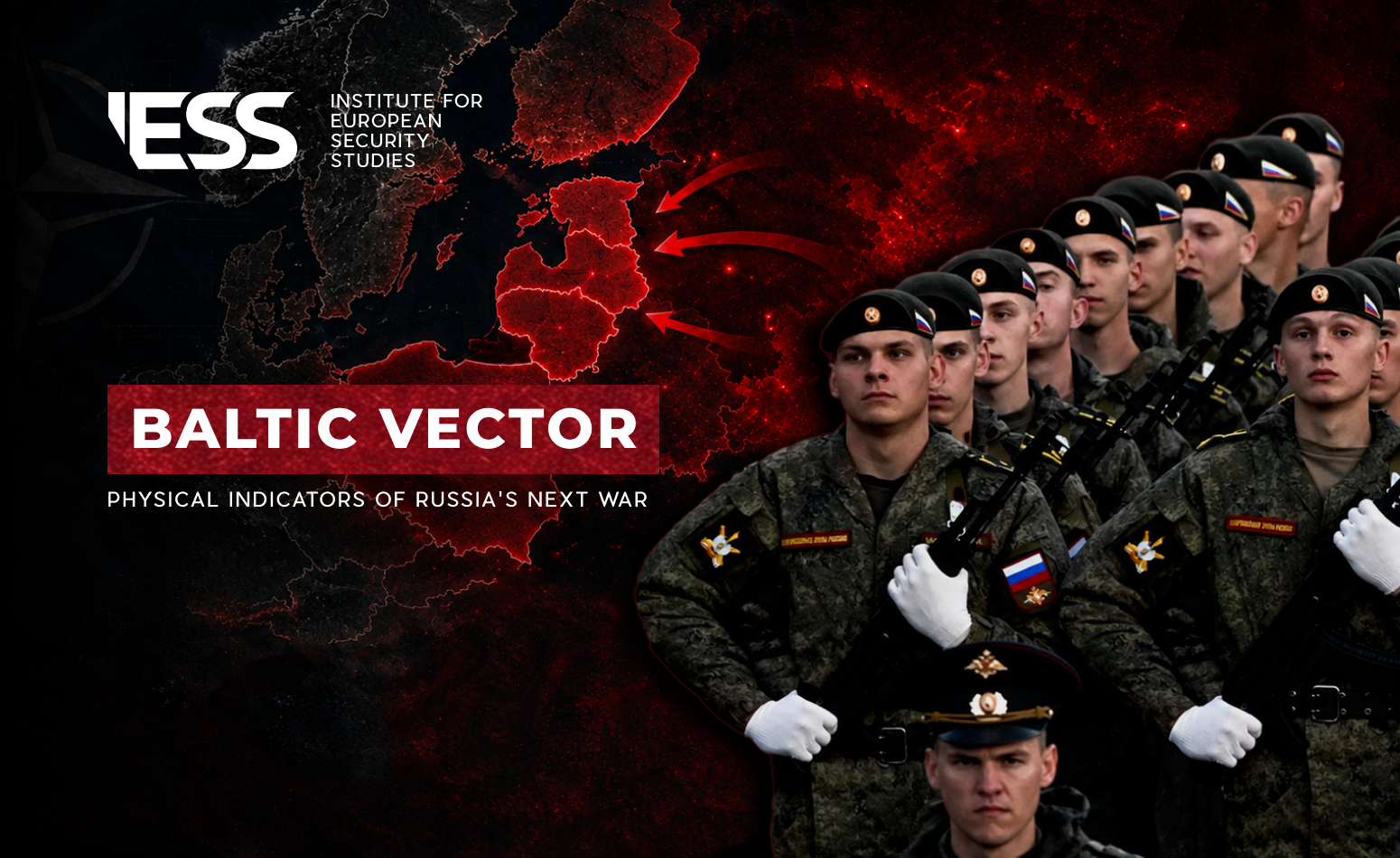
Physical indicators of Russia's next war.

Why the occupied territories invalidate Russia’s 2026 elections.

Russia has already sabotaged a defense plant on Slovak soil, and the PM still won't say the word Russia.
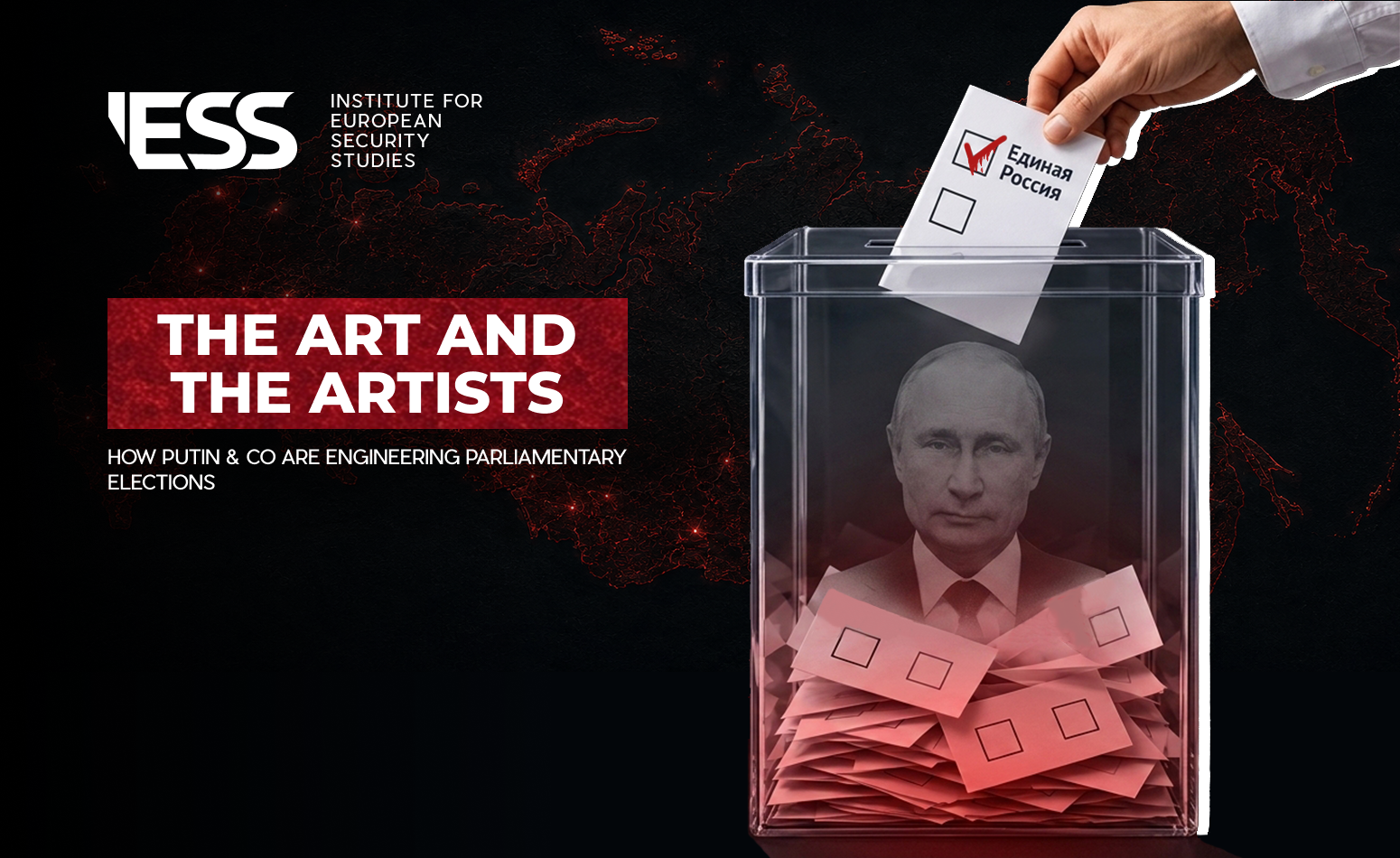
How Putin & Co are engineering parliamentary elections.

A claim invented on a Kremlin-linked Telegram channel about war-weary Ukrainians longing for Russia's return just picked up a Slovak byline.

Moscow invaded Ukraine to "denazify" it, while building a mass youth movement back home that mirrors the Hitlerjugend.
Andrea Jeska on Grozny, Beslan, Ukraine and Europe’s Lost Illusions.
Unmasking the Orbán's monopoly over Hungarian public media.
Fake funeral wreaths appeared outside defense companies in Lithuania and Czechia – a small, cheap scare tactic that only makes sense if Western support for Ukraine is actually working.
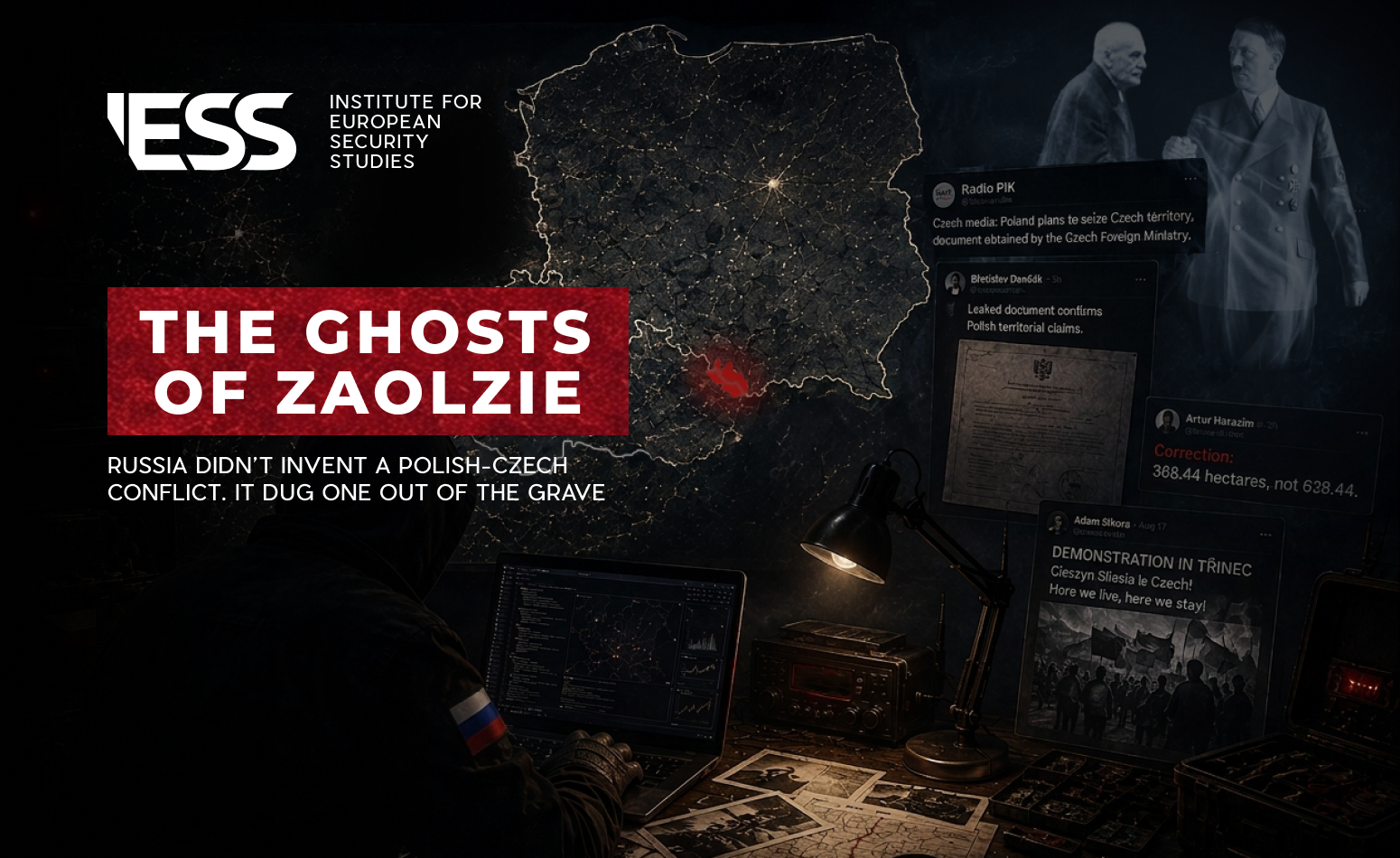
A hacked Polish radio station and a chain of AI-generated fakes tried to convince two allies their border was suddenly in dispute. However, it wasn't – that was the point.

How Russia radicalizes Poland and fractures Europe.
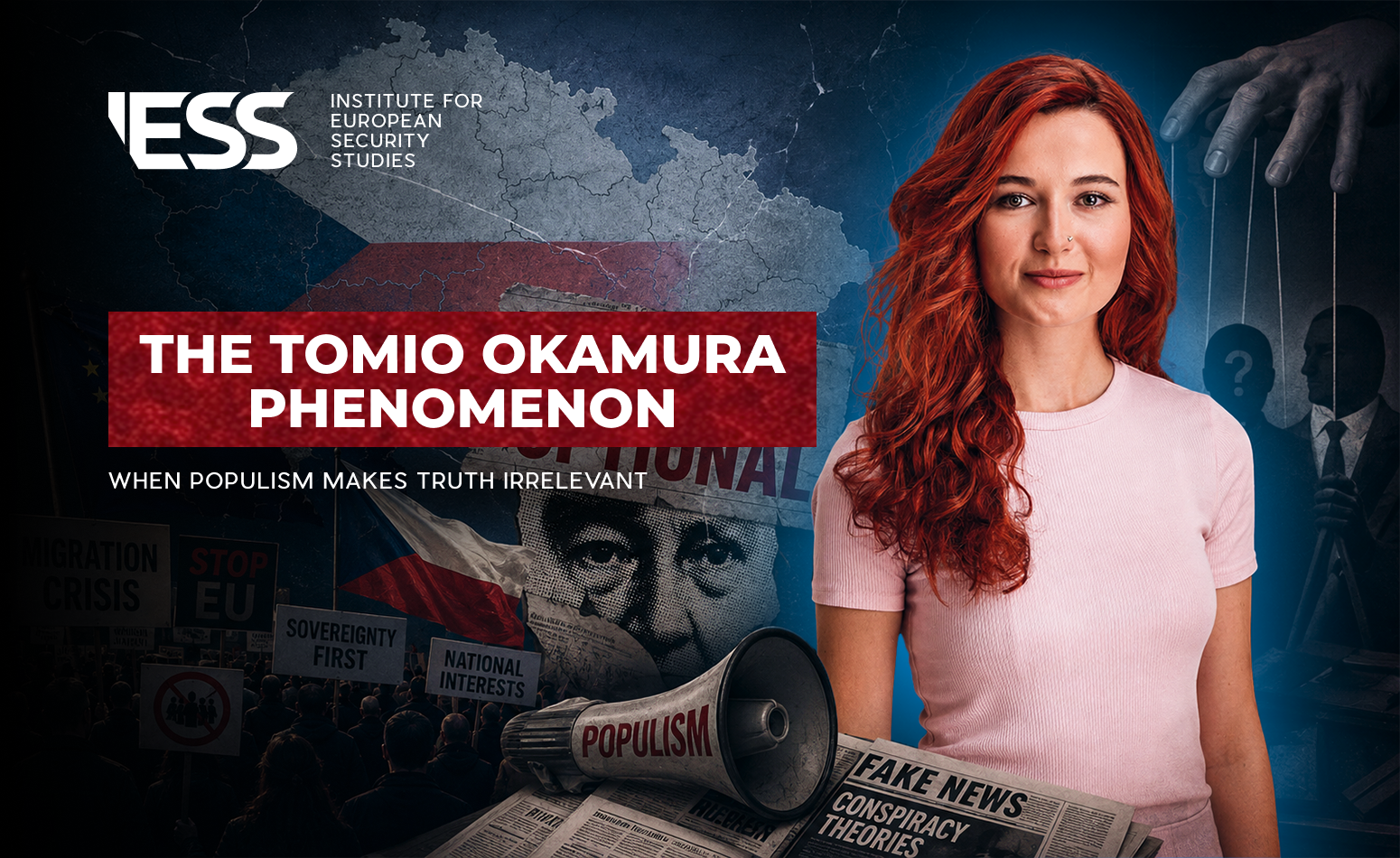
IESS spoke with Katerina Demetrashvili, Member of the Czech Chamber of Deputies from the Czech Pirate Party, about the political phenomenon of Tomio Okamura, the transformation of SPD from permanent opposition into a governing force, and the way populism, conspiracy narratives and the erosion of objective truth create an environment increasingly compatible with Russian information warfare.
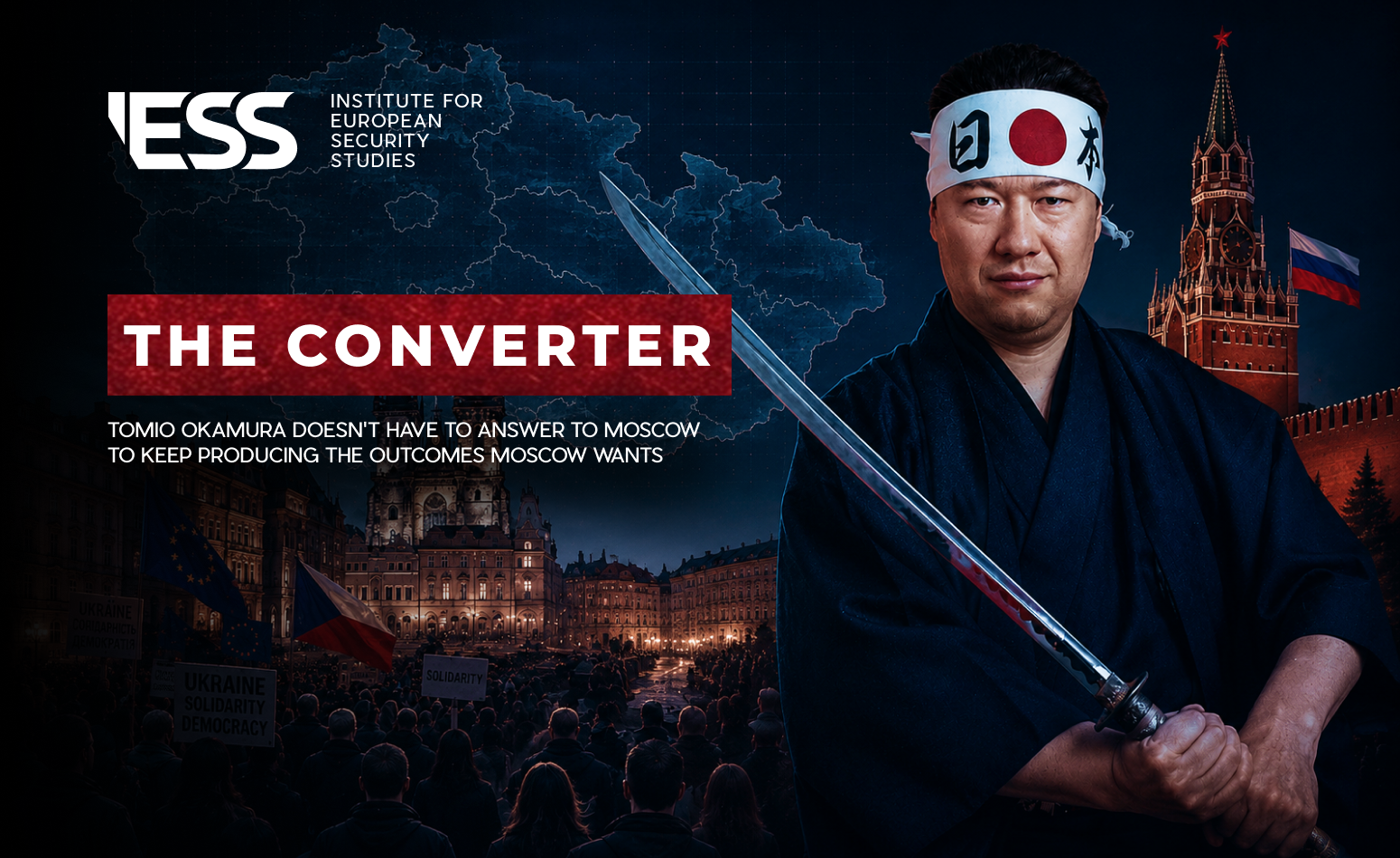
Tomio Okamura doesn't have to answer to Moscow to keep producing the outcomes Moscow wants.
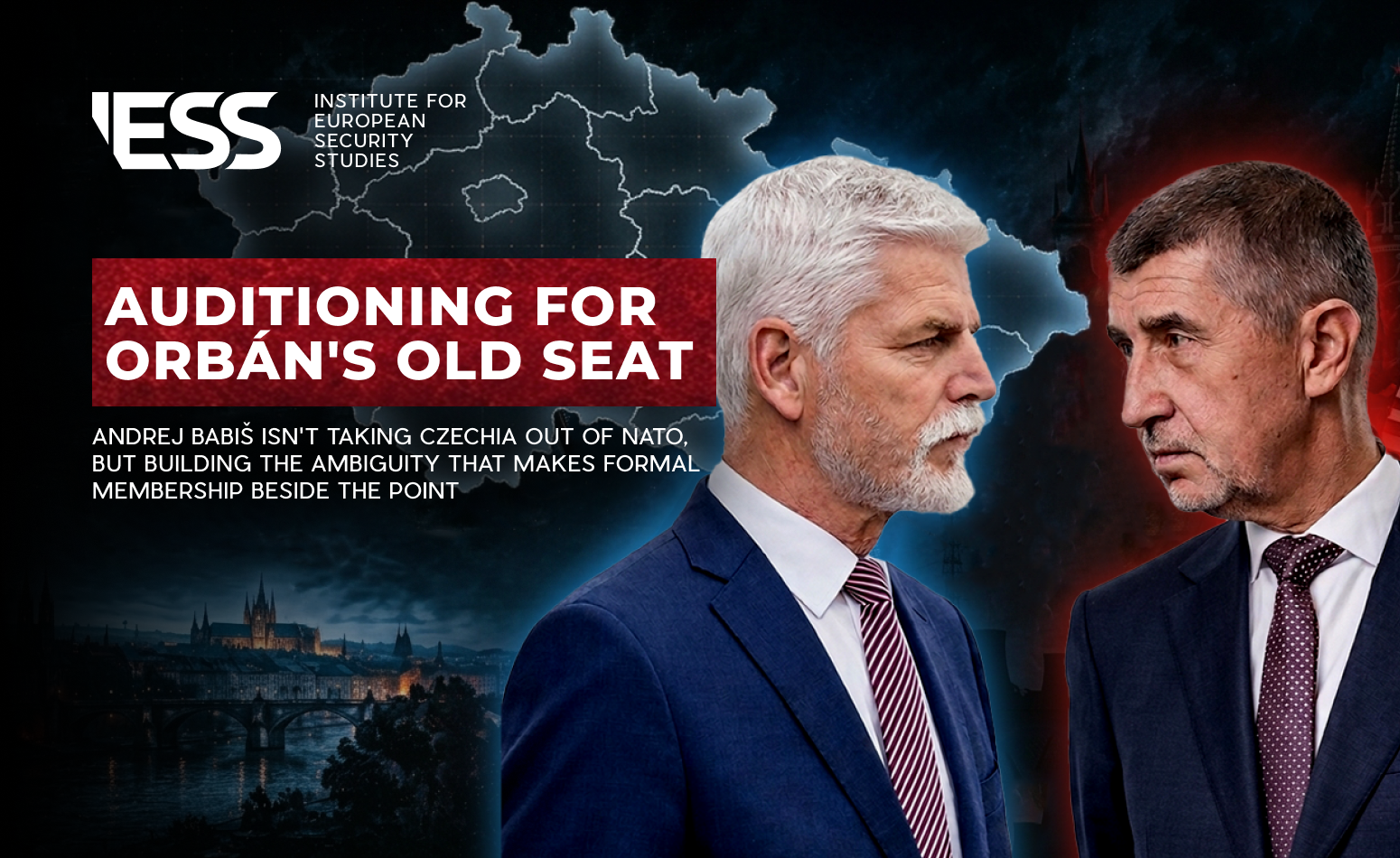
Andrej Babiš isn't taking Czechia out of NATO, but building the ambiguity that makes formal membership beside the point.
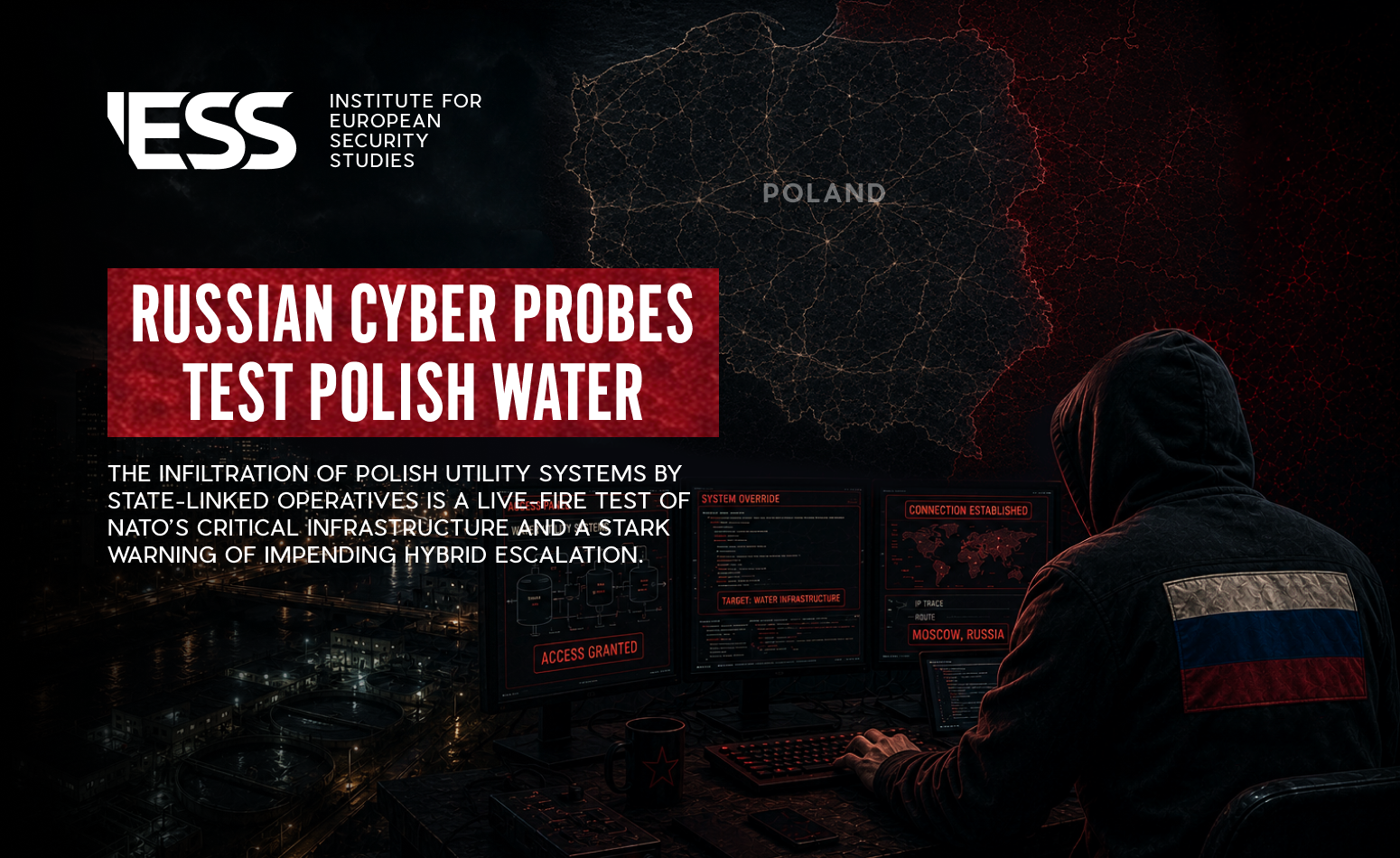
The infiltration of Polish utility systems by state-linked operatives is a live-fire test of NATO’s critical infrastructure and a stark warning of impending hybrid escalation.
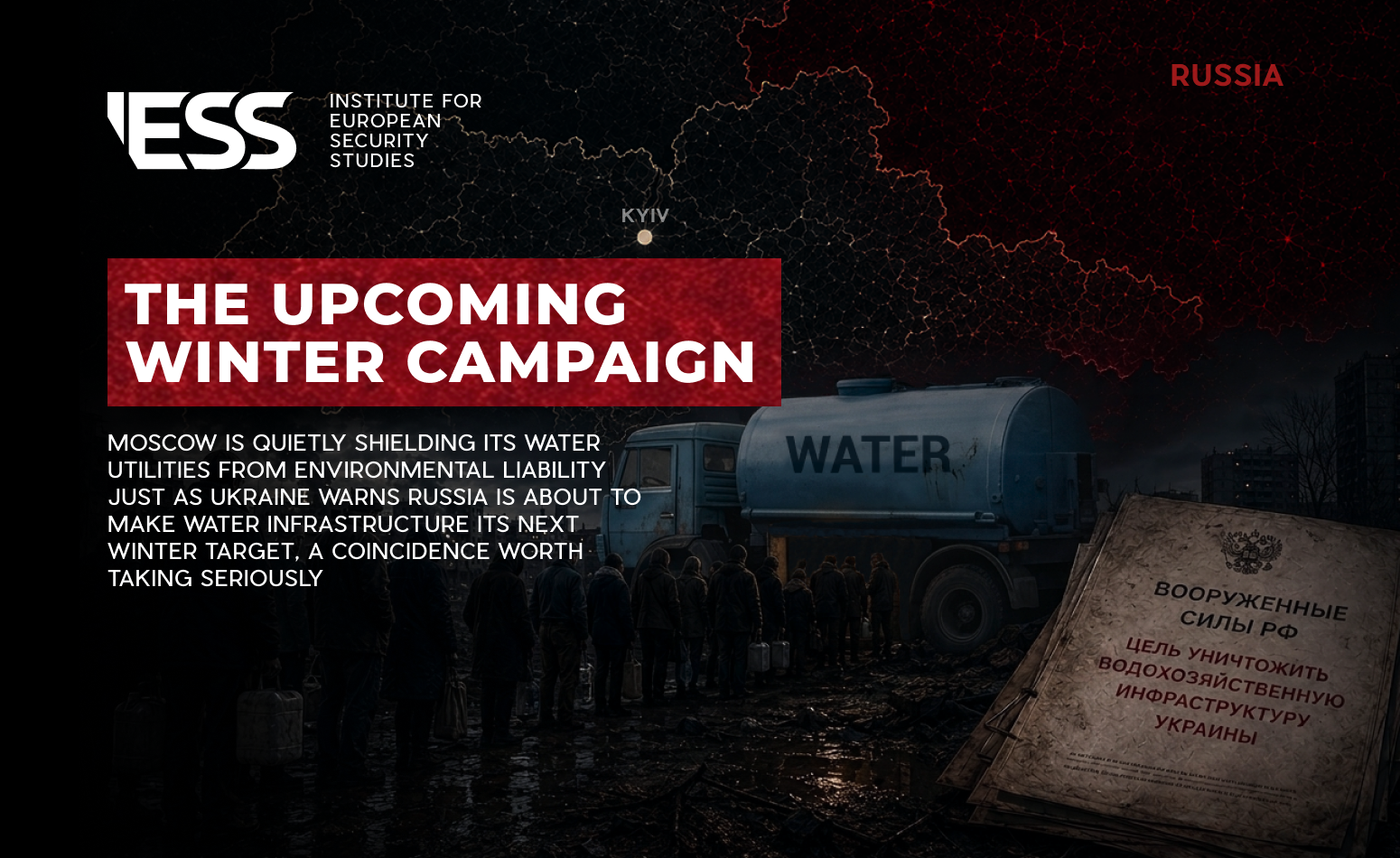
Moscow is quietly shielding its water utilities from environmental liability just as Ukraine warns Russia is about to make water infrastructure its next winter target, a coincidence worth taking seriously.
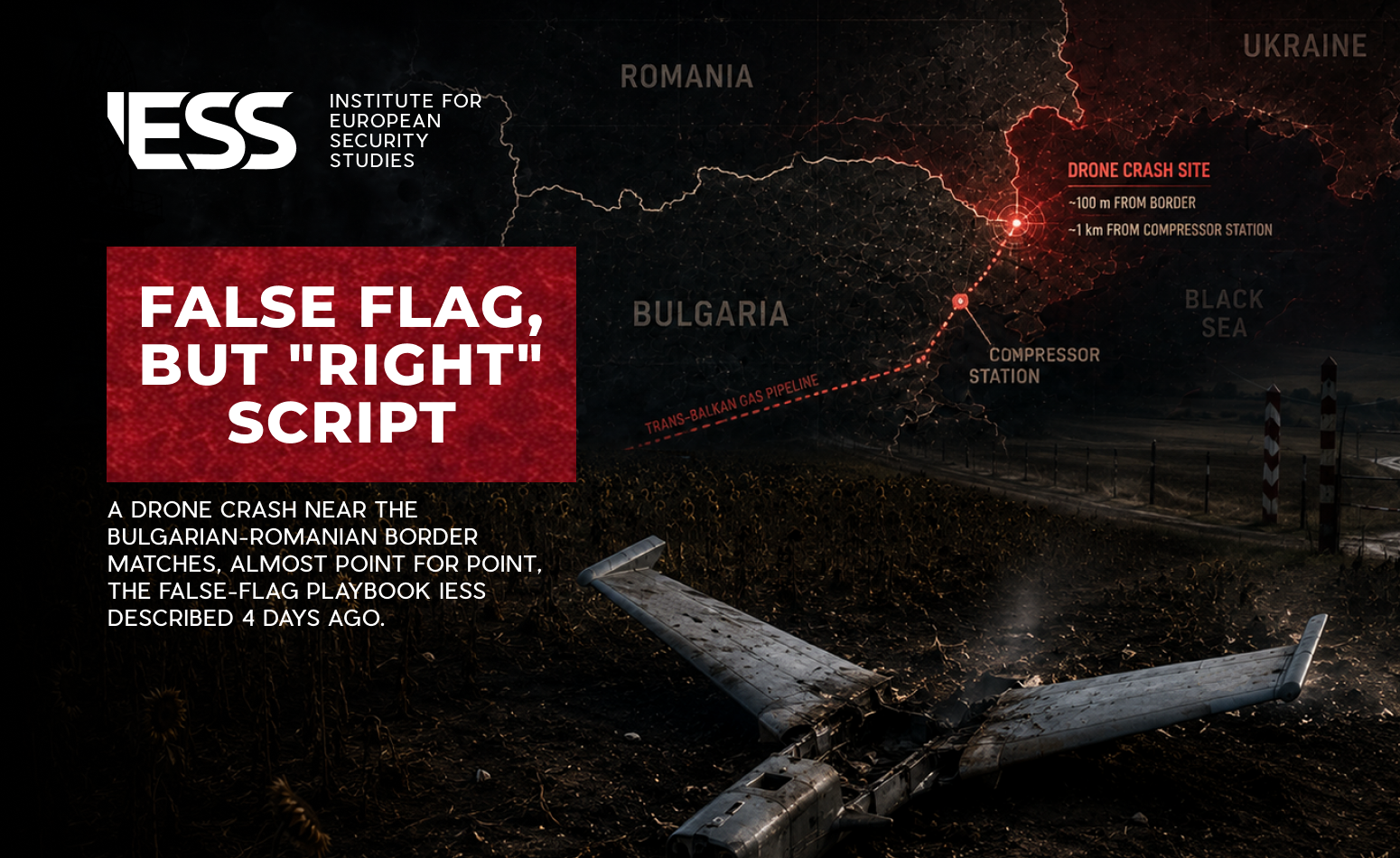
A drone crash near the Bulgarian-Romanian border matches, almost point for point, the false-flag playbook IESS just described several days ago.
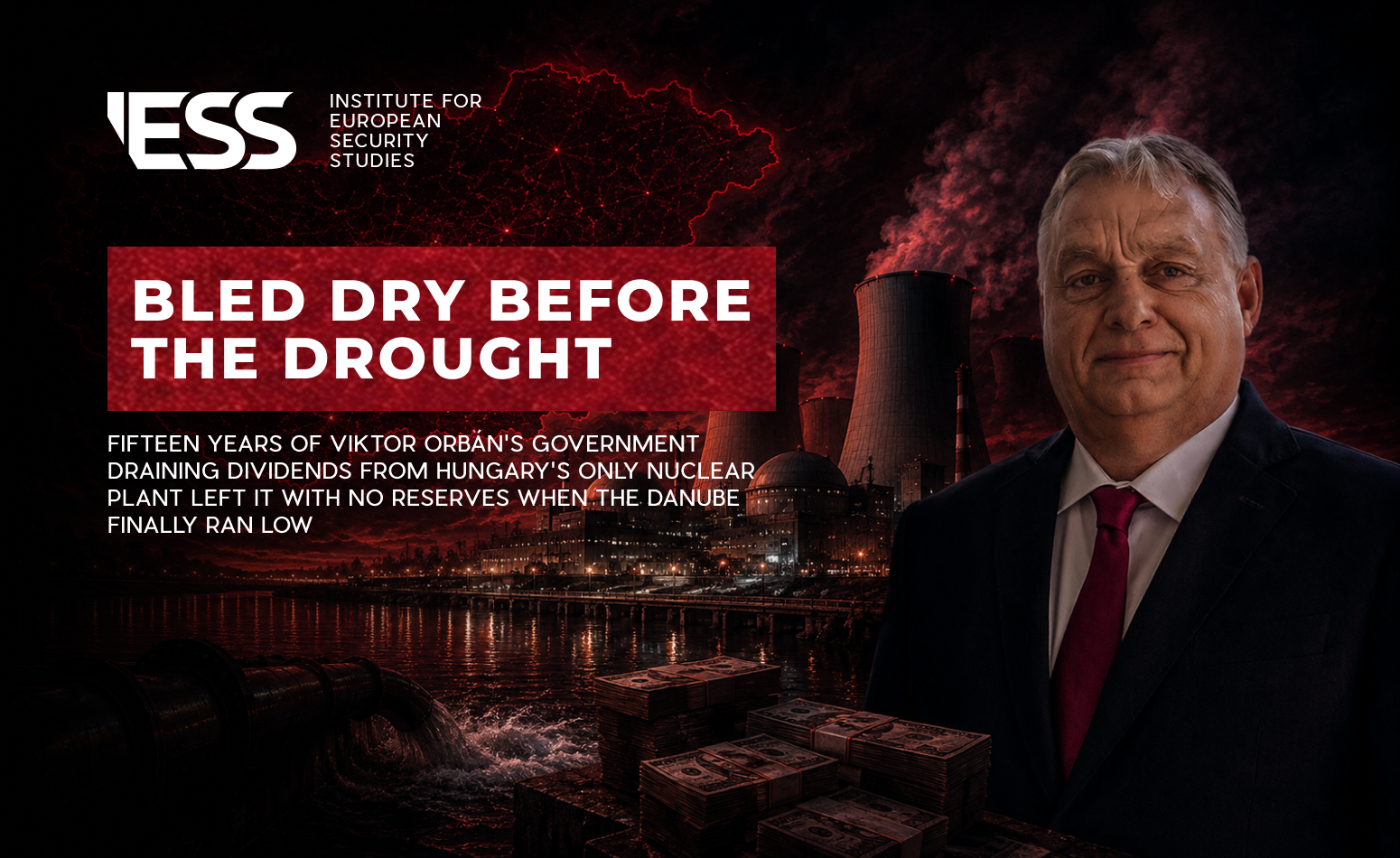
Fifteen years of Viktor Orbán's government draining dividends from Hungary's only nuclear plant left it with no reserves when the Danube finally ran low.
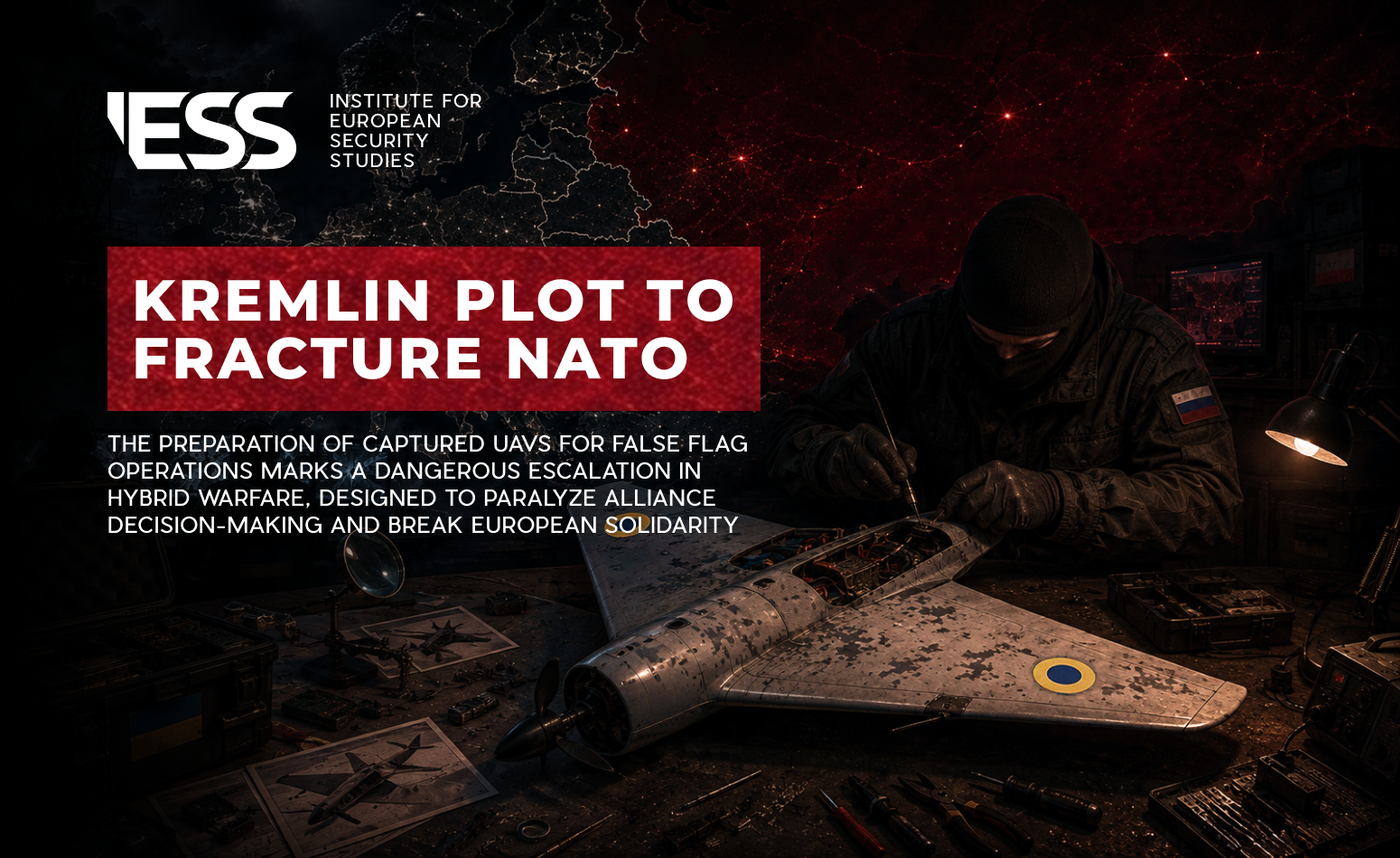
The preparation of captured UAVs for false flag operations marks a dangerous escalation in hybrid warfare, designed to paralyze Alliance decision-making and break European solidarity.
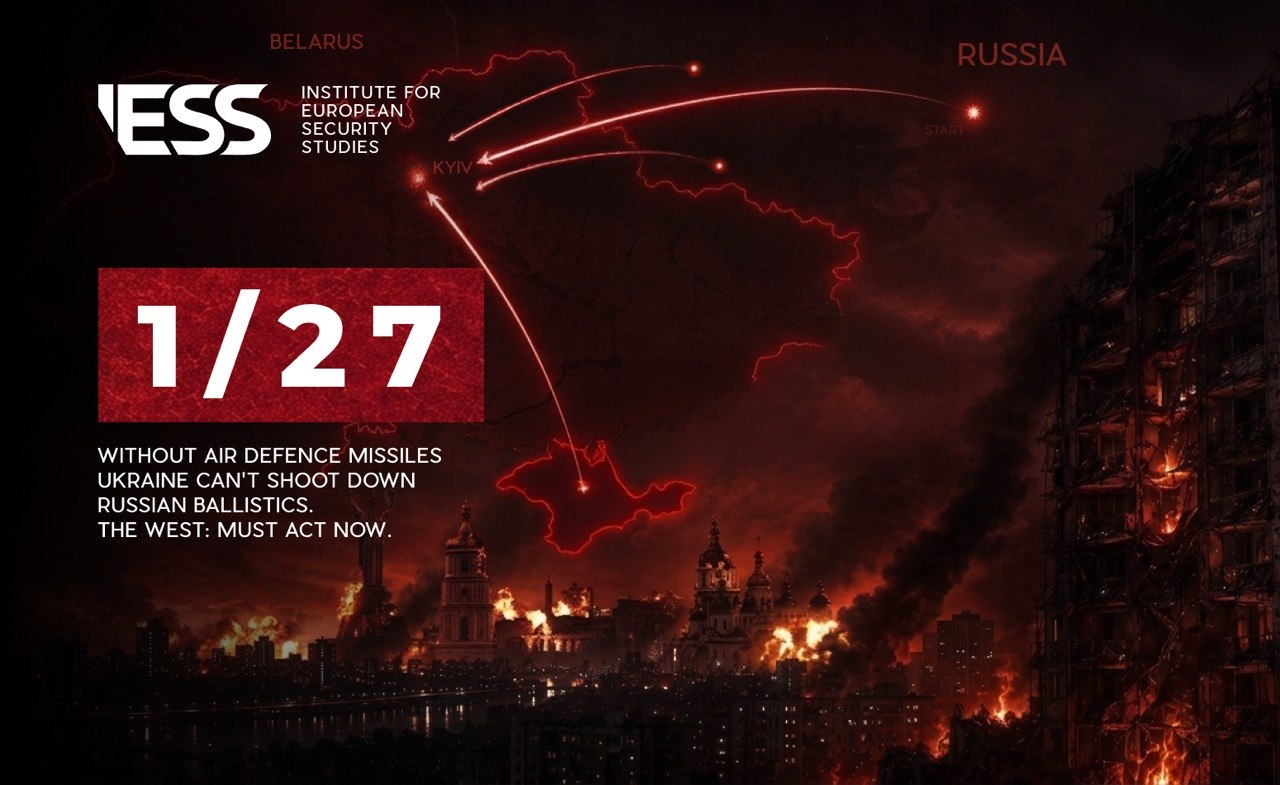
Without air defence missiles Ukraine can't shoot down Russian ballistics: the West must act NOW
.png)
Russian cruise missile's path into Poland is definitely not an accident.
.png)
Unable to secure a decisive victory in Ukraine, the Kremlin is looking for another form of escalation.
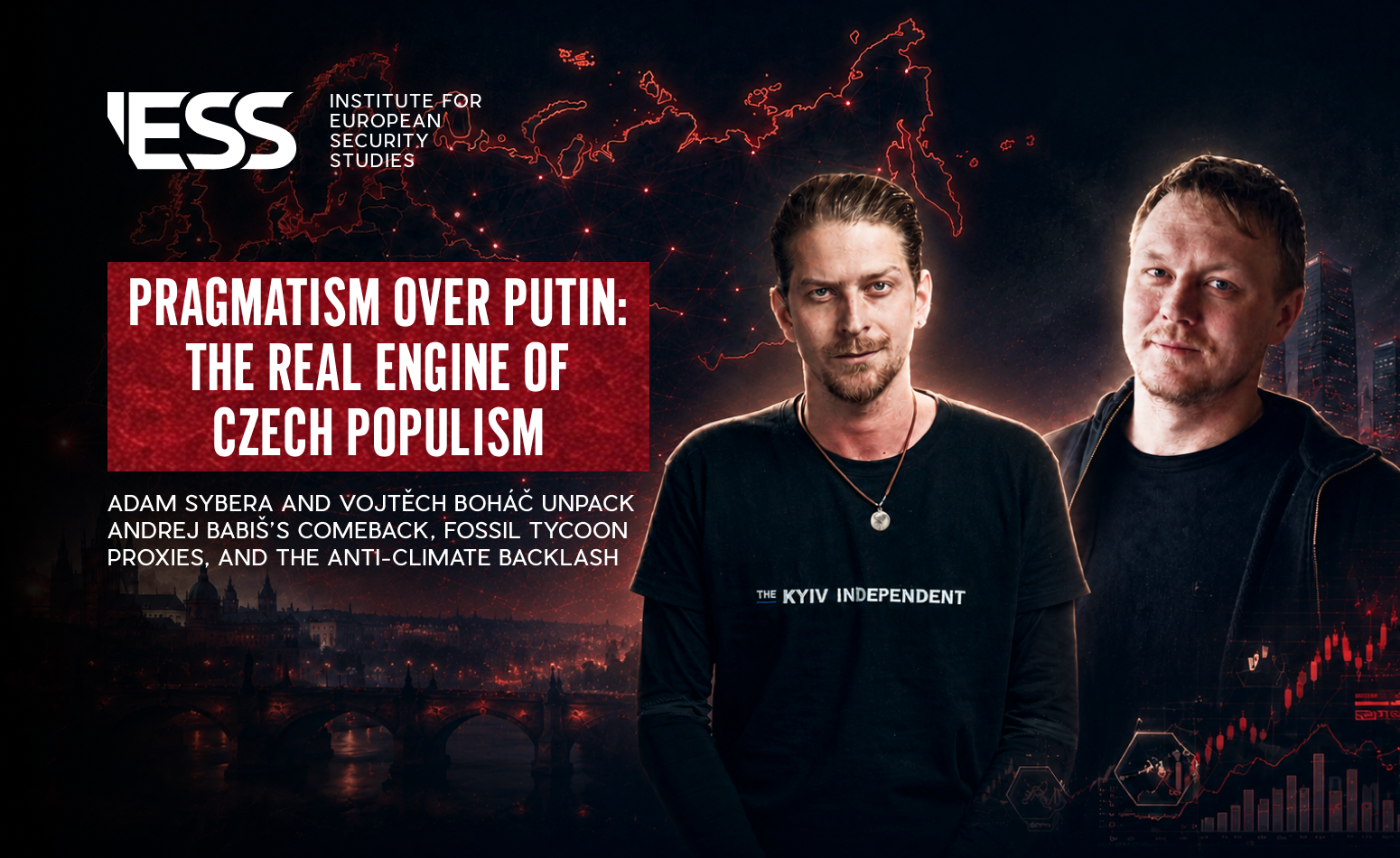
Adam Sybera and Vojtěch Boháč unpack Andrej Babiš’s comeback, fossil tycoon proxies, and the anti-climate backlash.
The EU's largest sanctions package in four years lands on top of Ukraine's strikes on Russia's war economy, and leaves Moscow only two ways out.
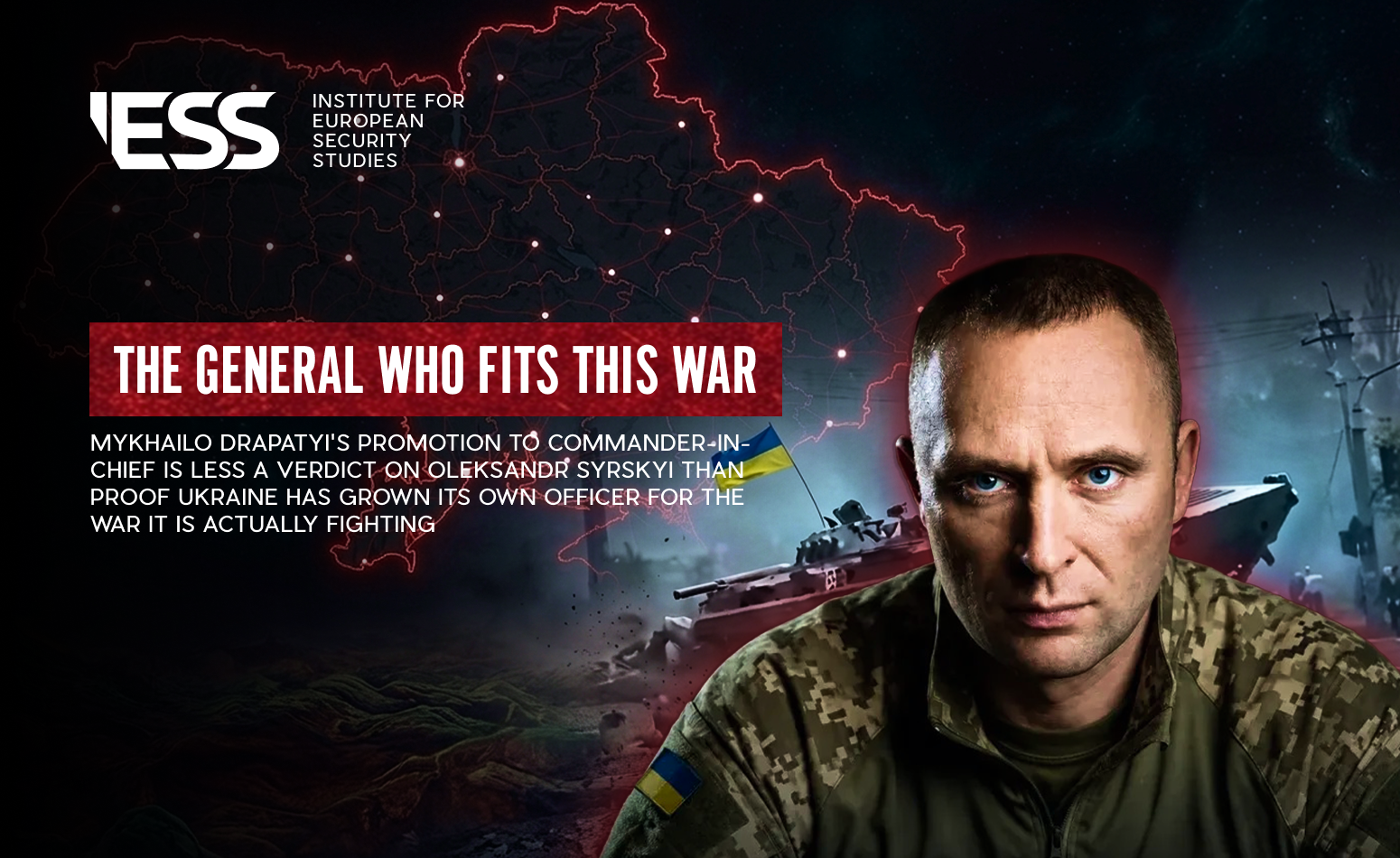
Mykhailo Drapatyi's promotion to commander-in-chief is less a verdict on Oleksandr Syrskyi than proof Ukraine has grown its own officer for the war it is actually fighting.
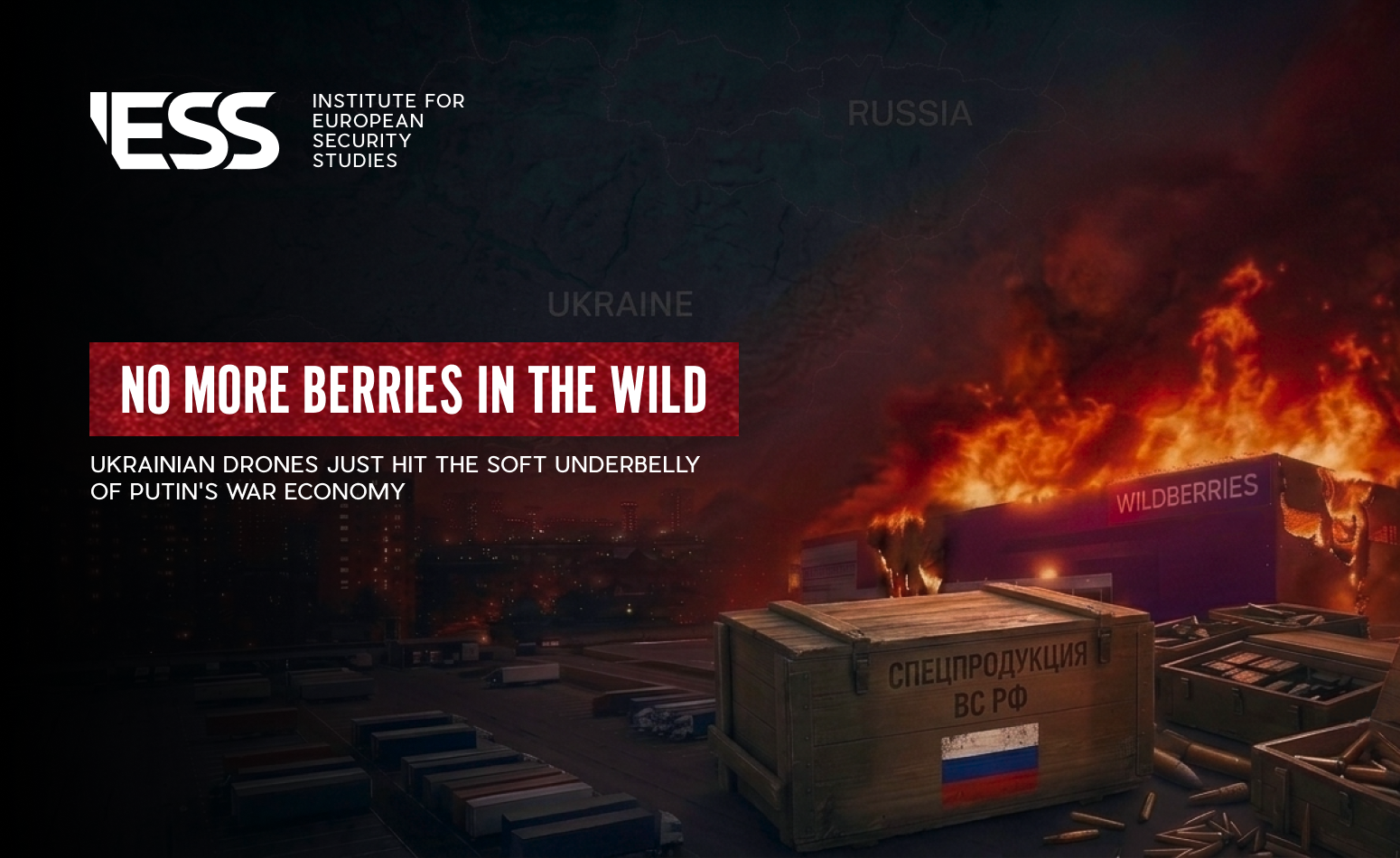
Ukrainian drones just hit the soft underbelly of Putin’s war economy.
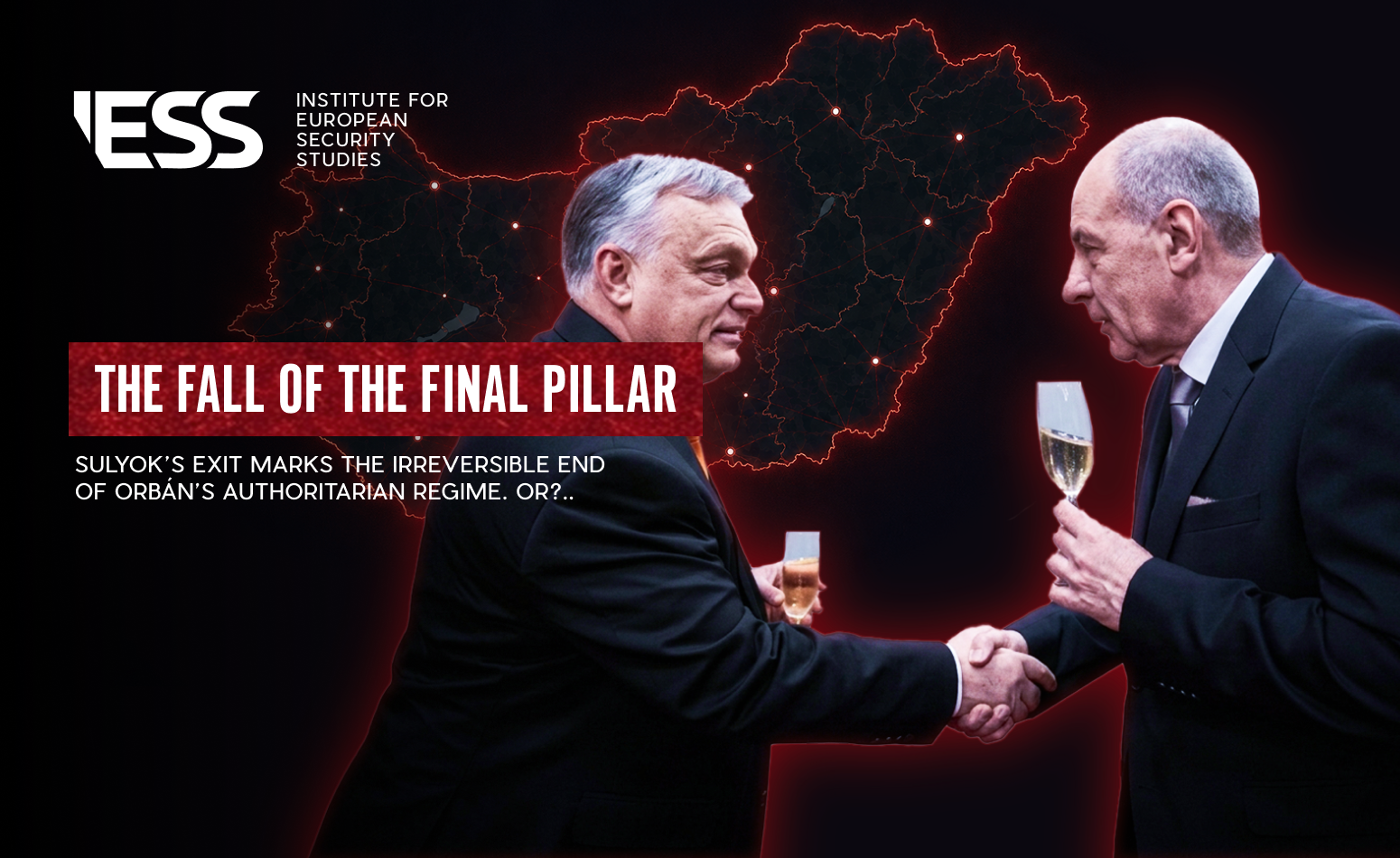
Sulyok’s exit marks the irreversible end of Orbán’s authoritarian regime. Or?..
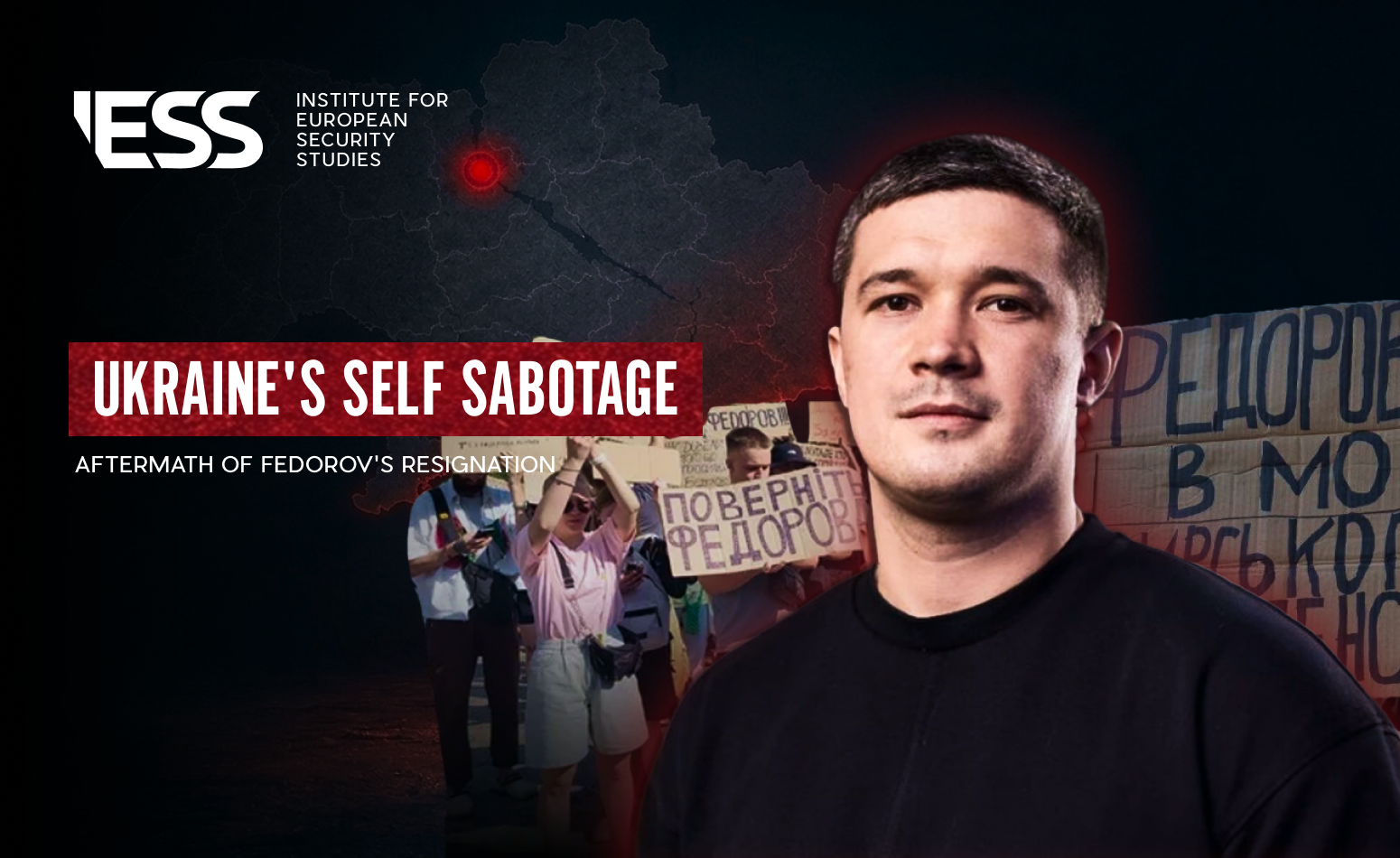
Aftermath of Fedorov's resignation.
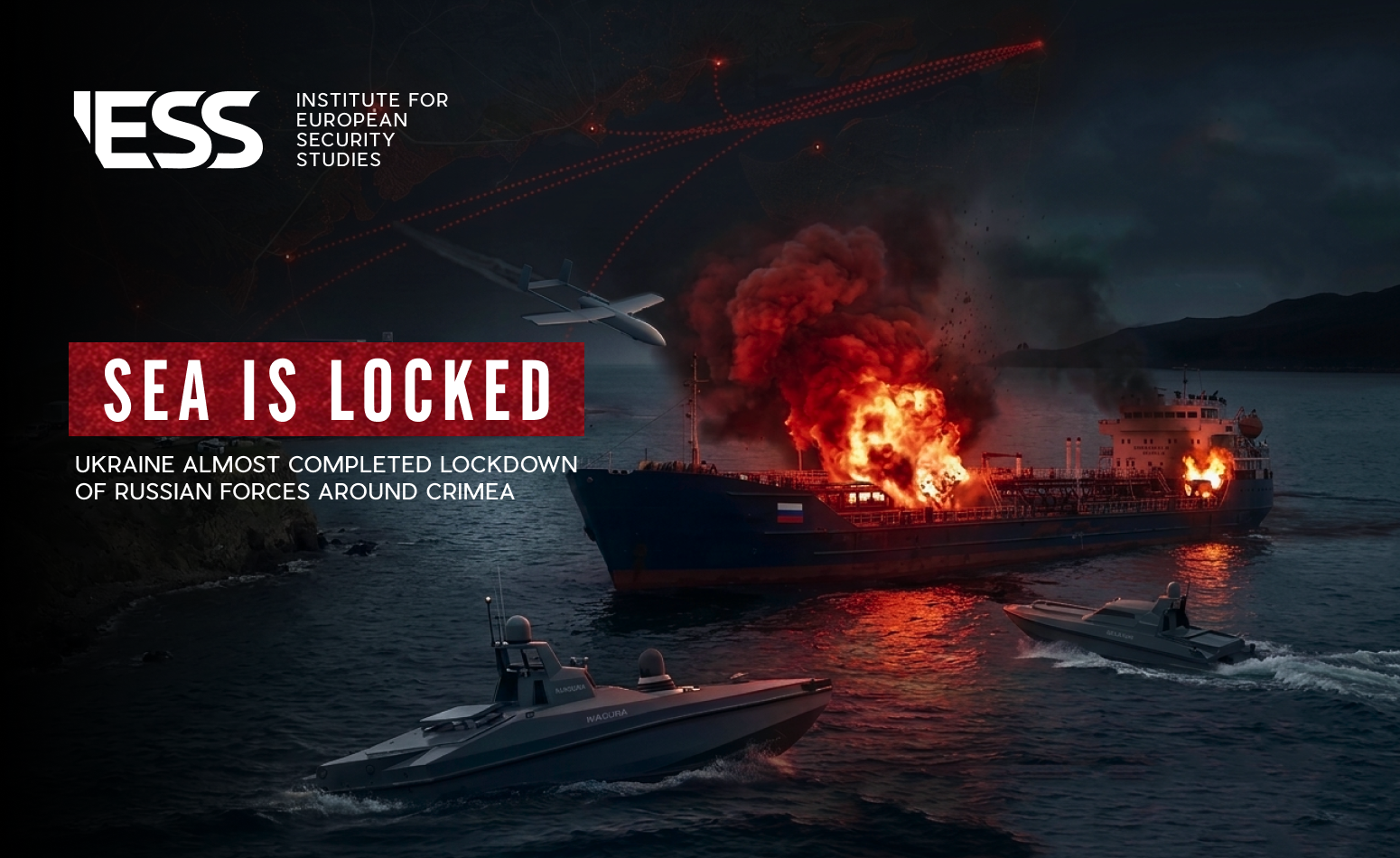
Ukraine finalizes the lockdown of Russian forces around Crimea.
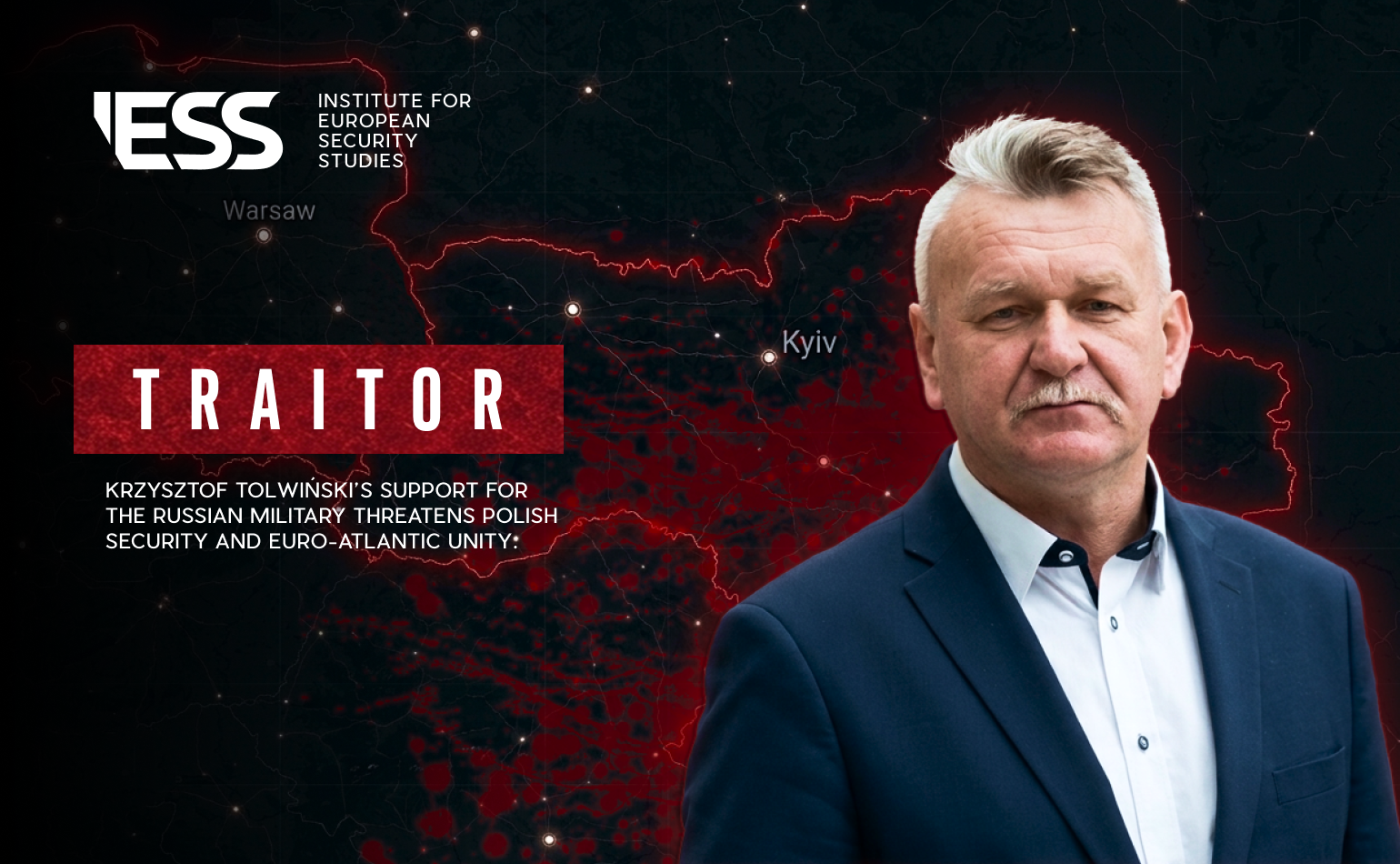
Krzysztof Tołwiński’s support for the Russian military threatens Polish security and Euro-Atlantic unity.
.png)
Russia will escalate the war in Autumn 2026.
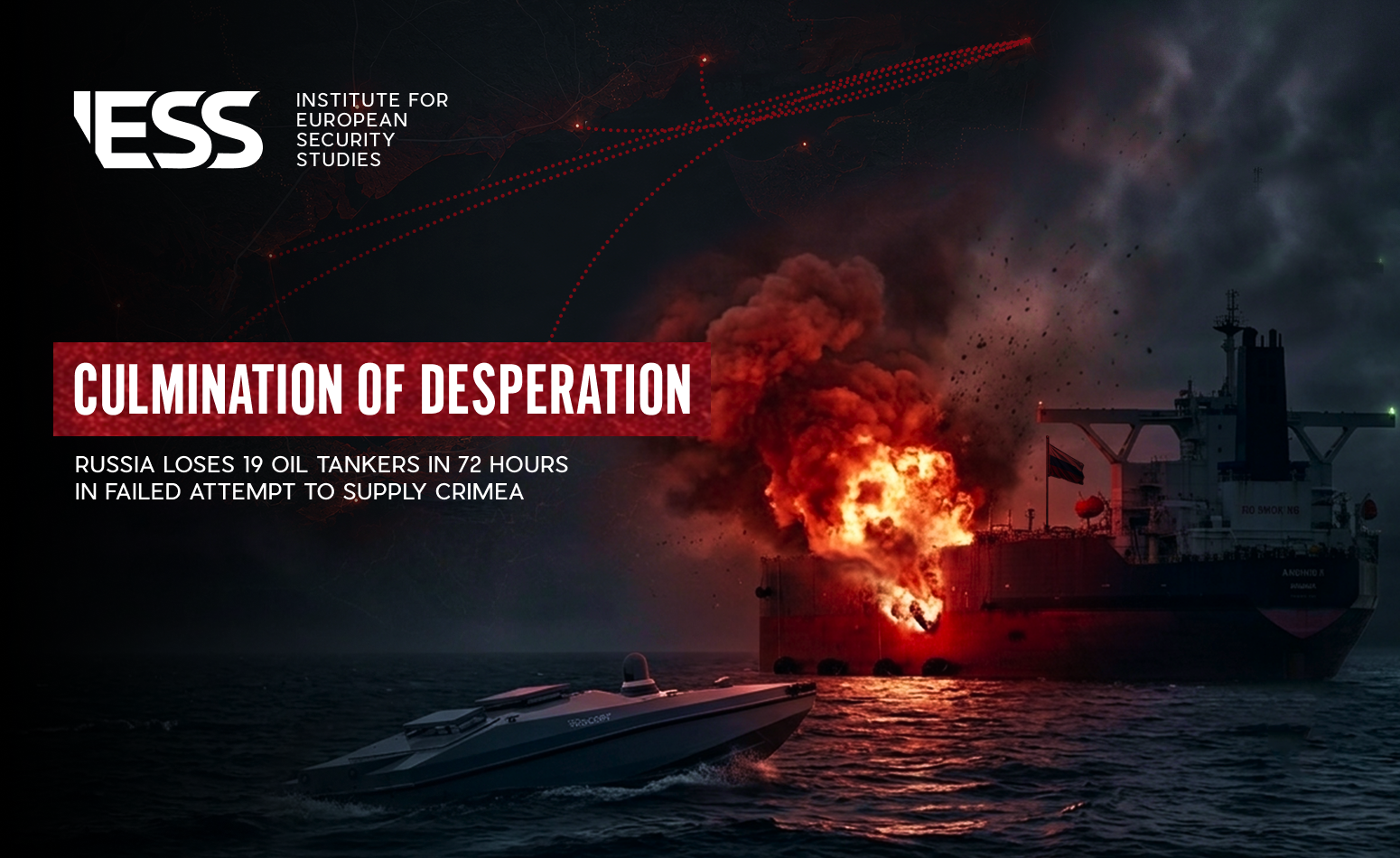
Russia loses 19 oil tankers in 72 hours in a failed attempt to supply Crimea.
.png)
The more Russia struggles from its own decision to “denazificate” and “demilitarizate” Ukraine, the more “wounded bear in corner” kill civilians in agony.
.png)
The Kyiv-Warsaw axis has de facto become the gravitational center of European security today.
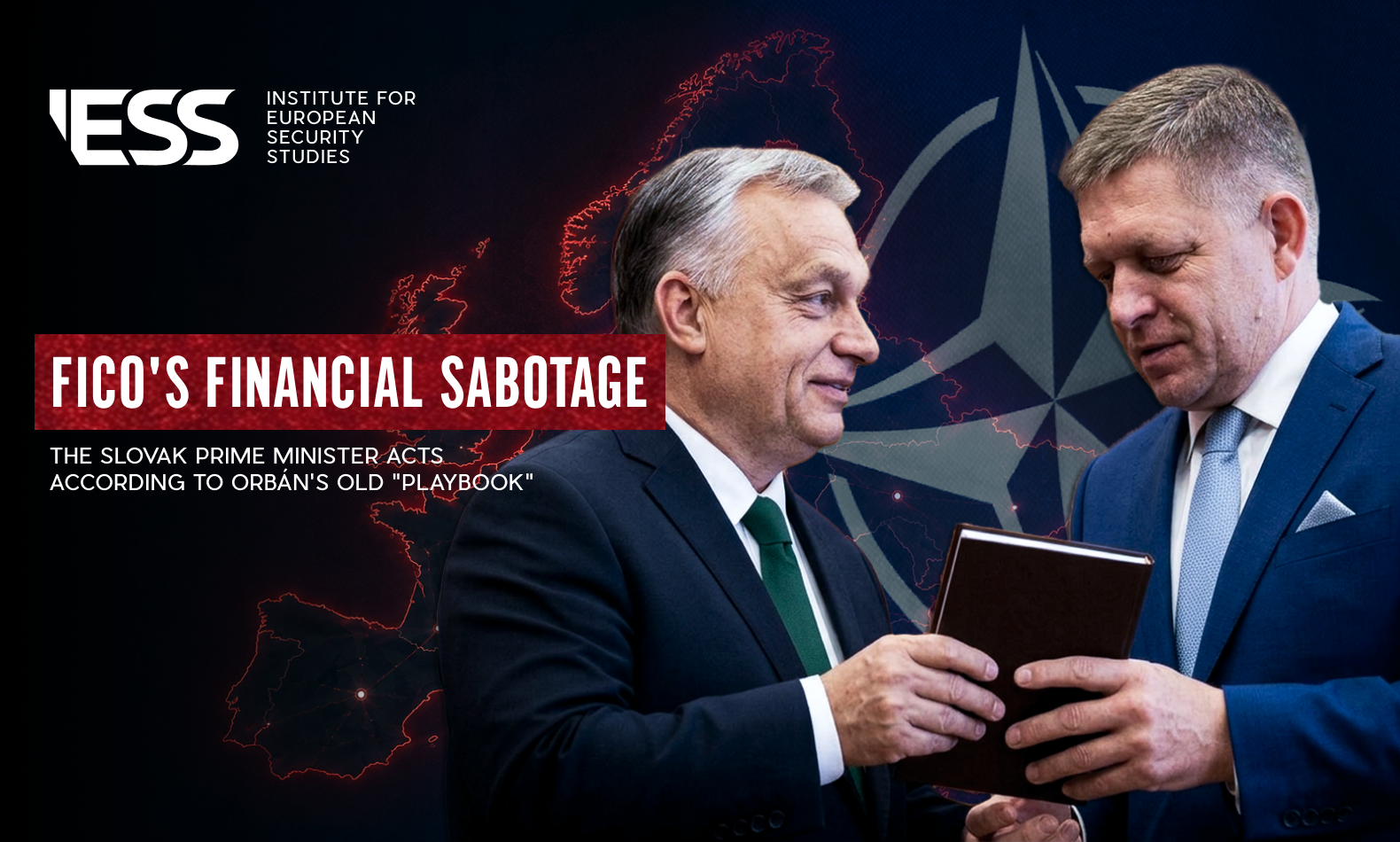
NATO's unity on the eve of the July summit in Ankara faces another test of strength, and this time the fault line once again runs through Bratislava.
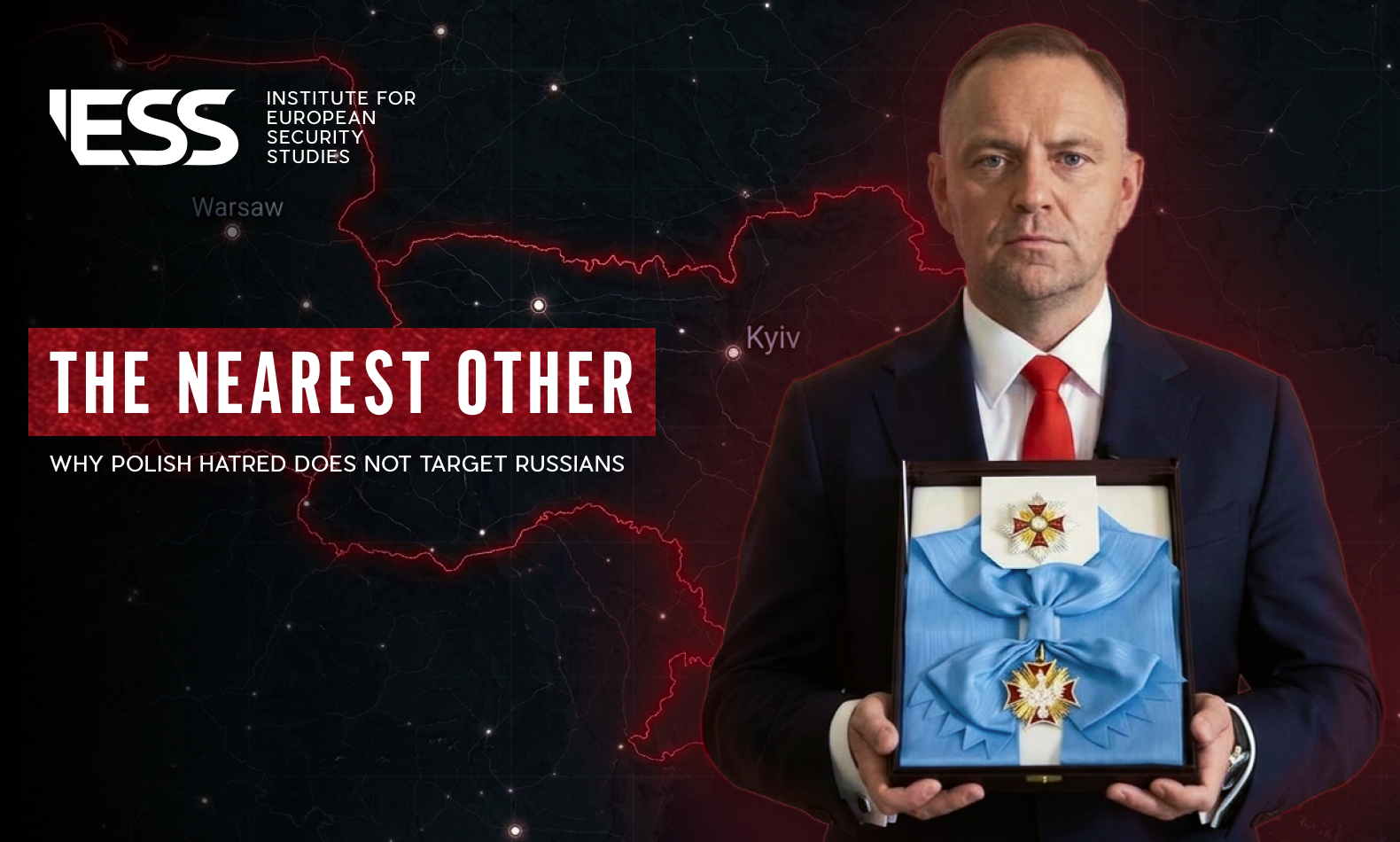
In psychological and sociological literature, there is a well-documented phenomenon: aggression is most often directed not against the real source of a threat, but against the closest available "other."
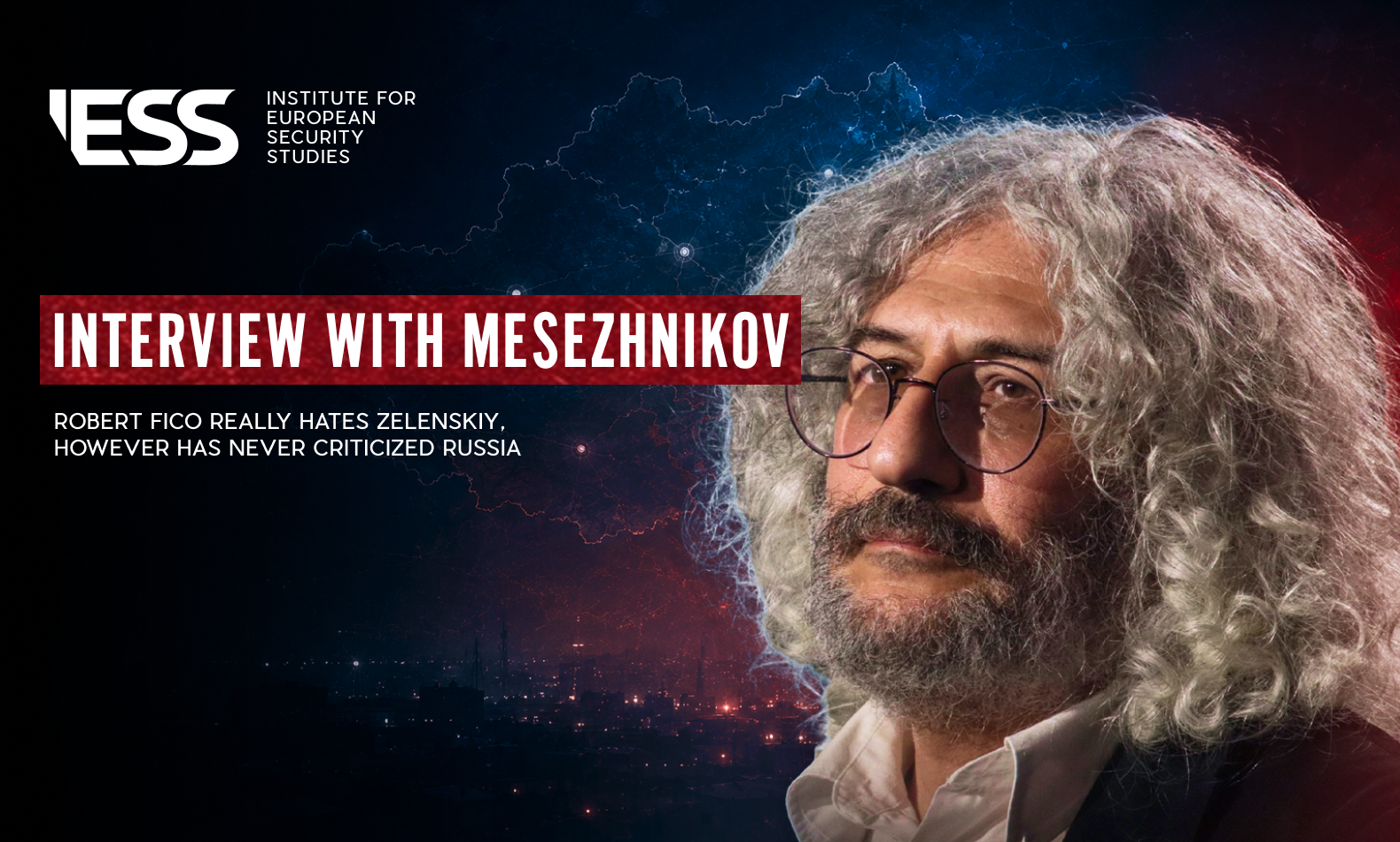
Fico really hates Zelenskyy, however has never criticized Russia
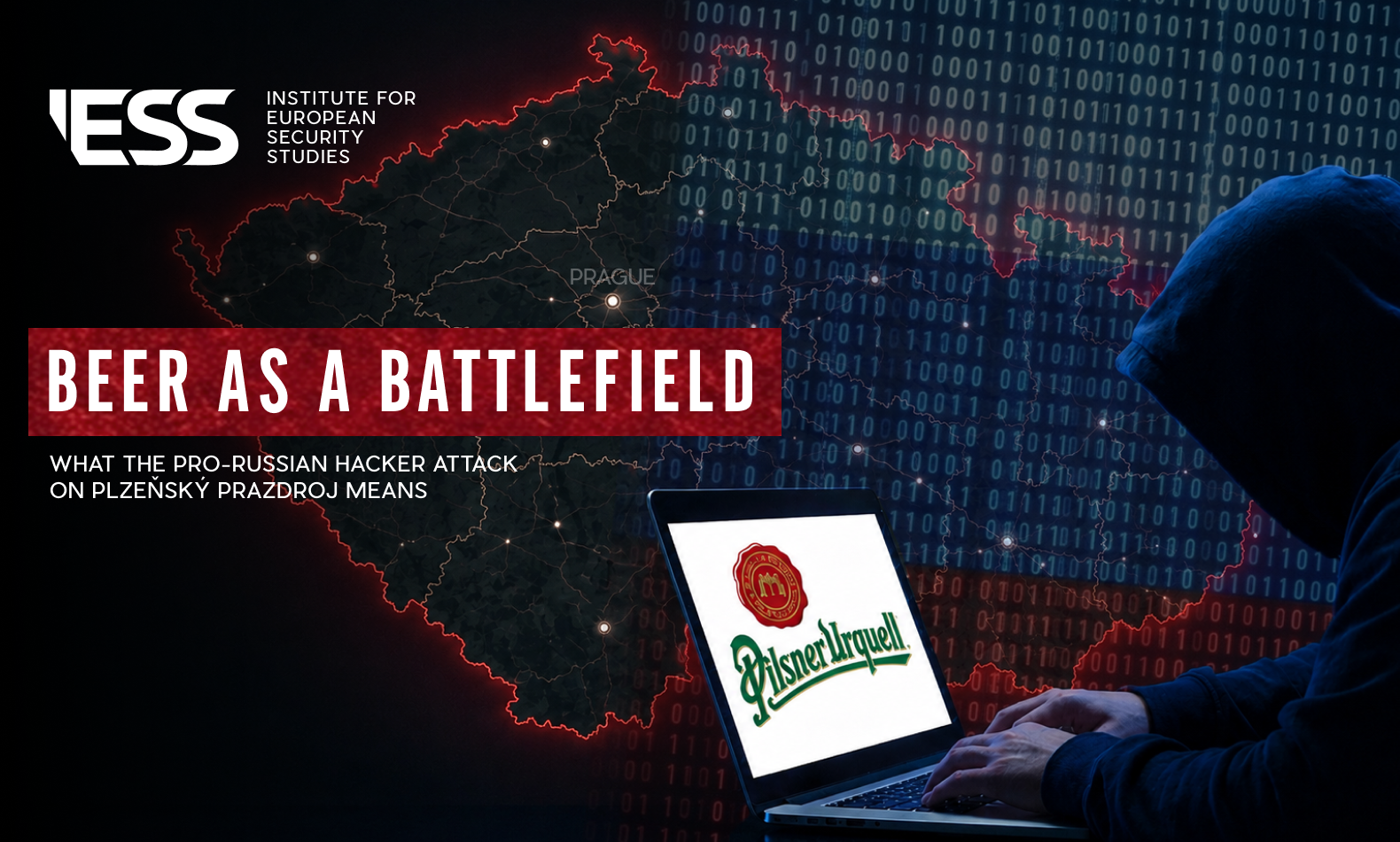
What the Russian Hacker Attack on Plzeňský Prazdroj Means
How the Kremlin's lies turned Russian air defense into a threat to itsown population
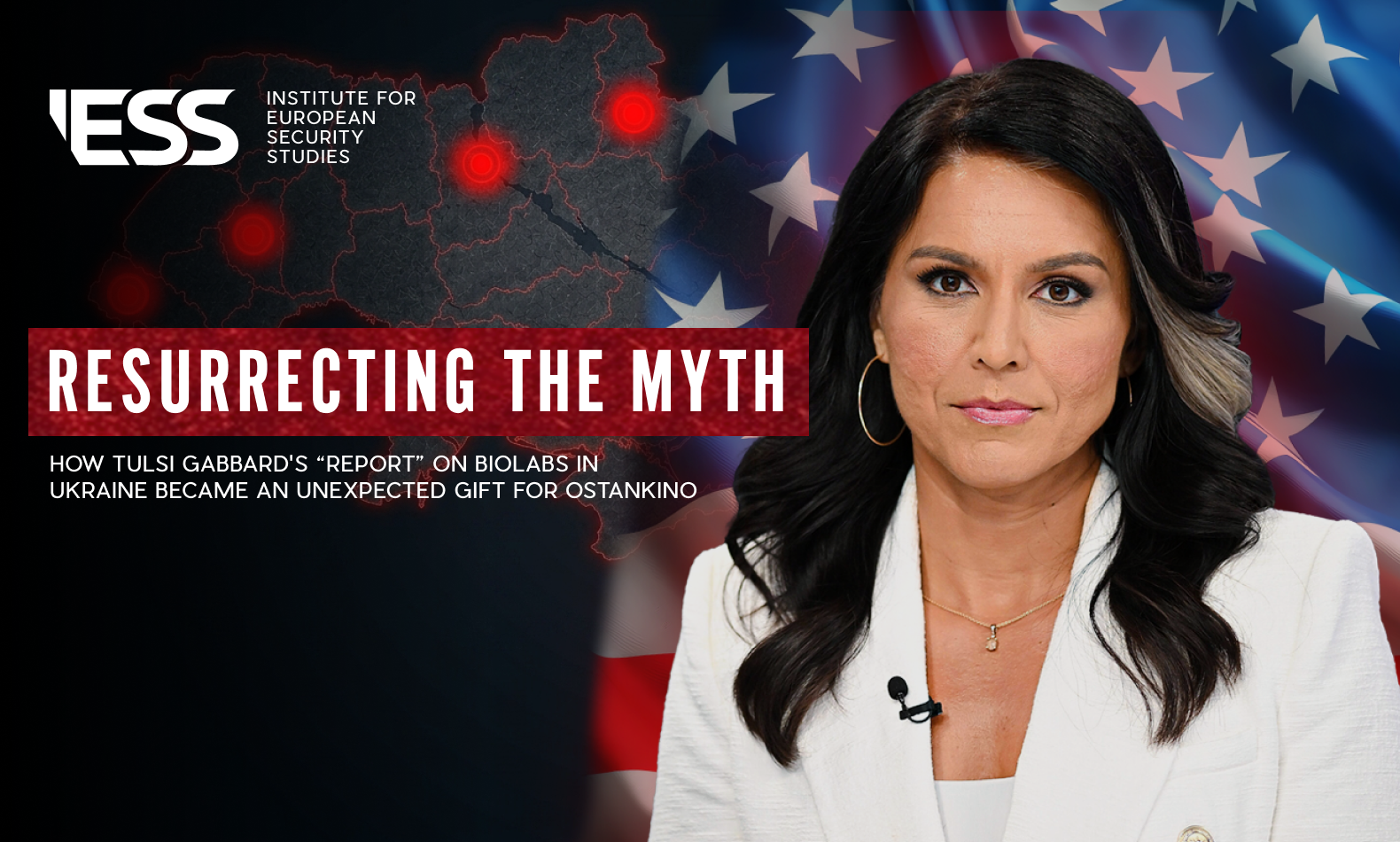
How Tulsi Gabbard's “Report” on Biolabs in Ukraine Became an Unexpected Gift for Ostankino
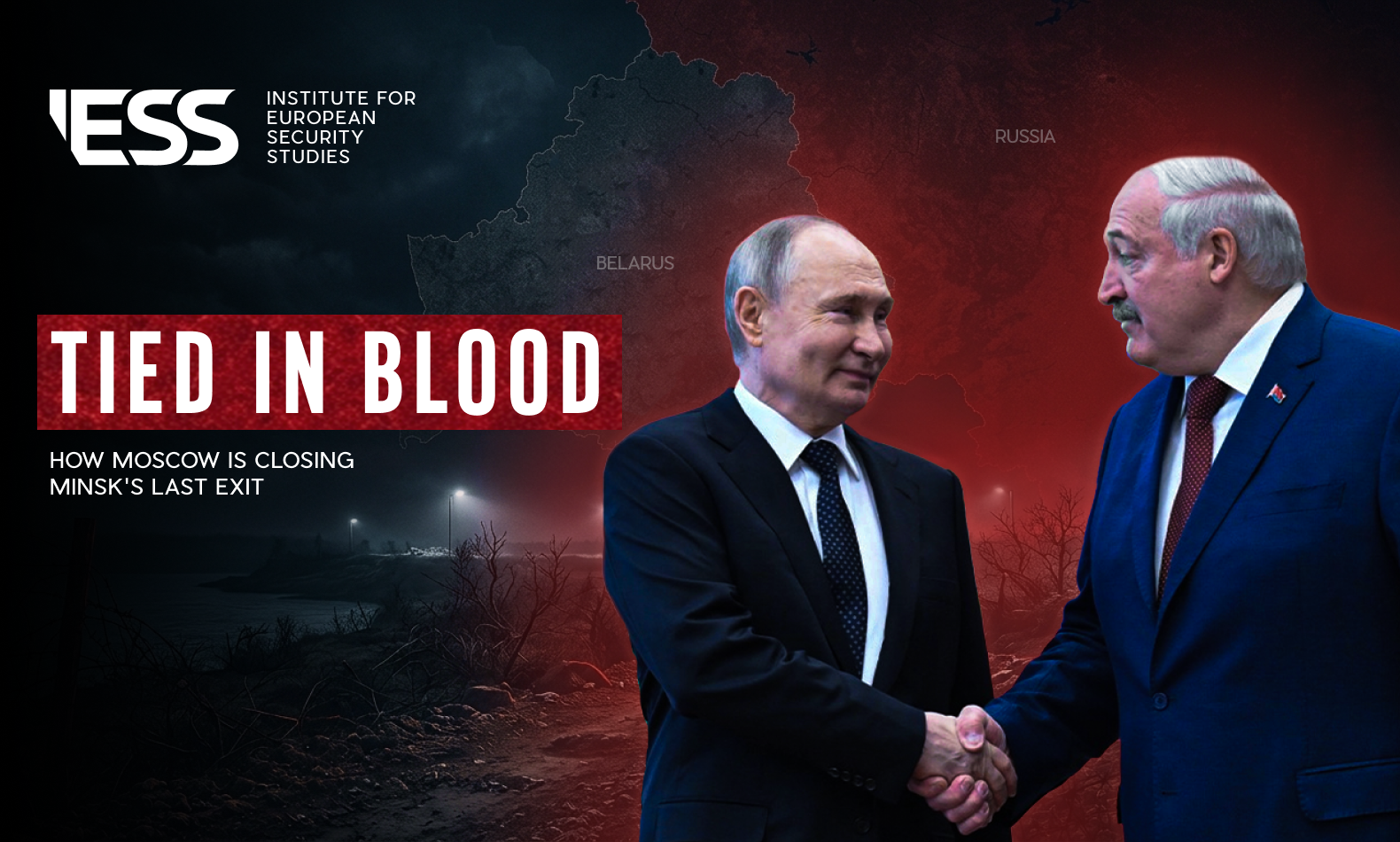
The killing of Semyon Skrepetsky in a parking lot in Biała Podlaska on June 15 means much more than just “an isolated act of political violence on NATO soil”
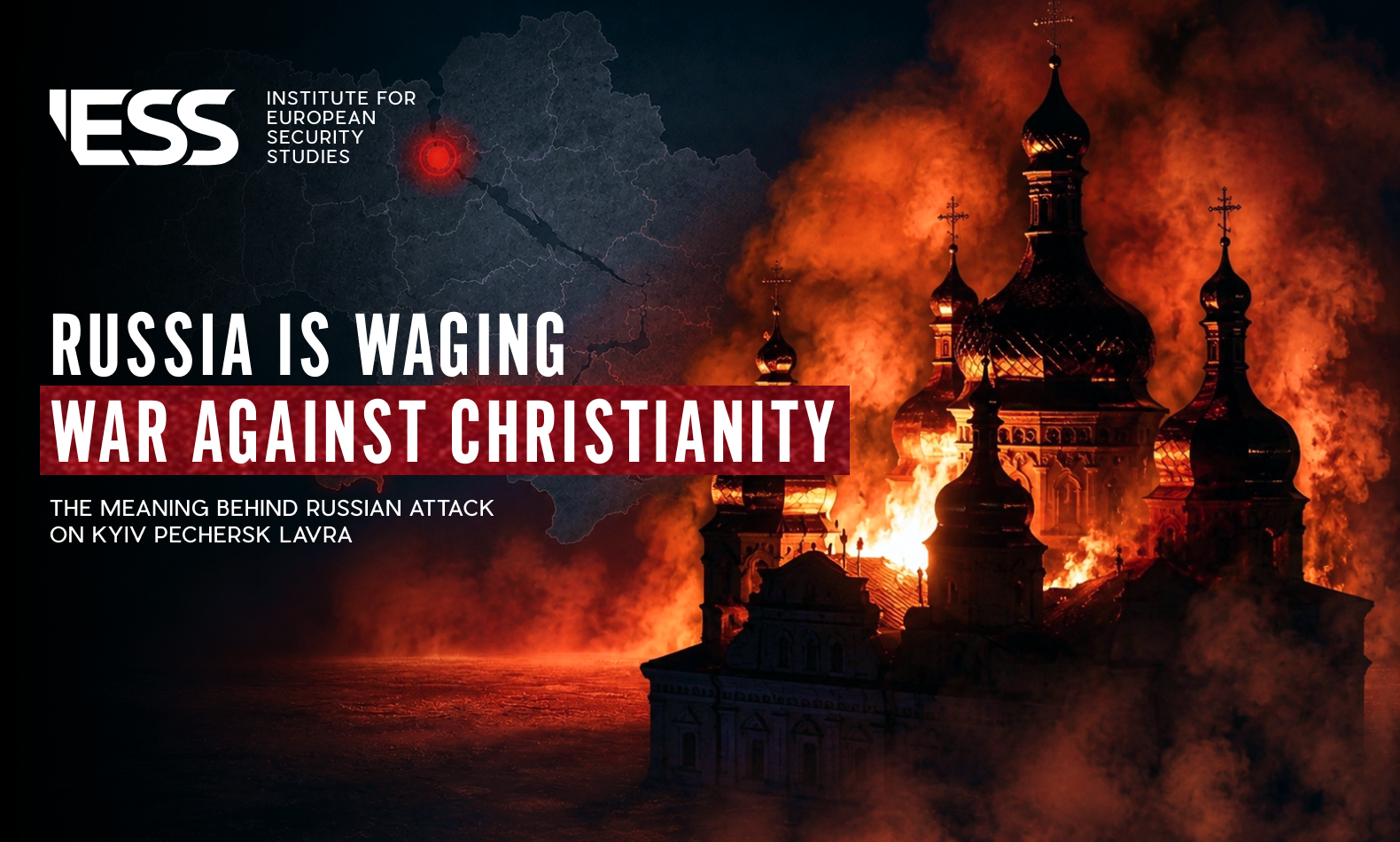
There is a recurring pattern in Russia’s information warfare. The Kremlin rarely conceals its true objectives. Instead, it encourages audiences to look away from where those objectives are actually being pursued.
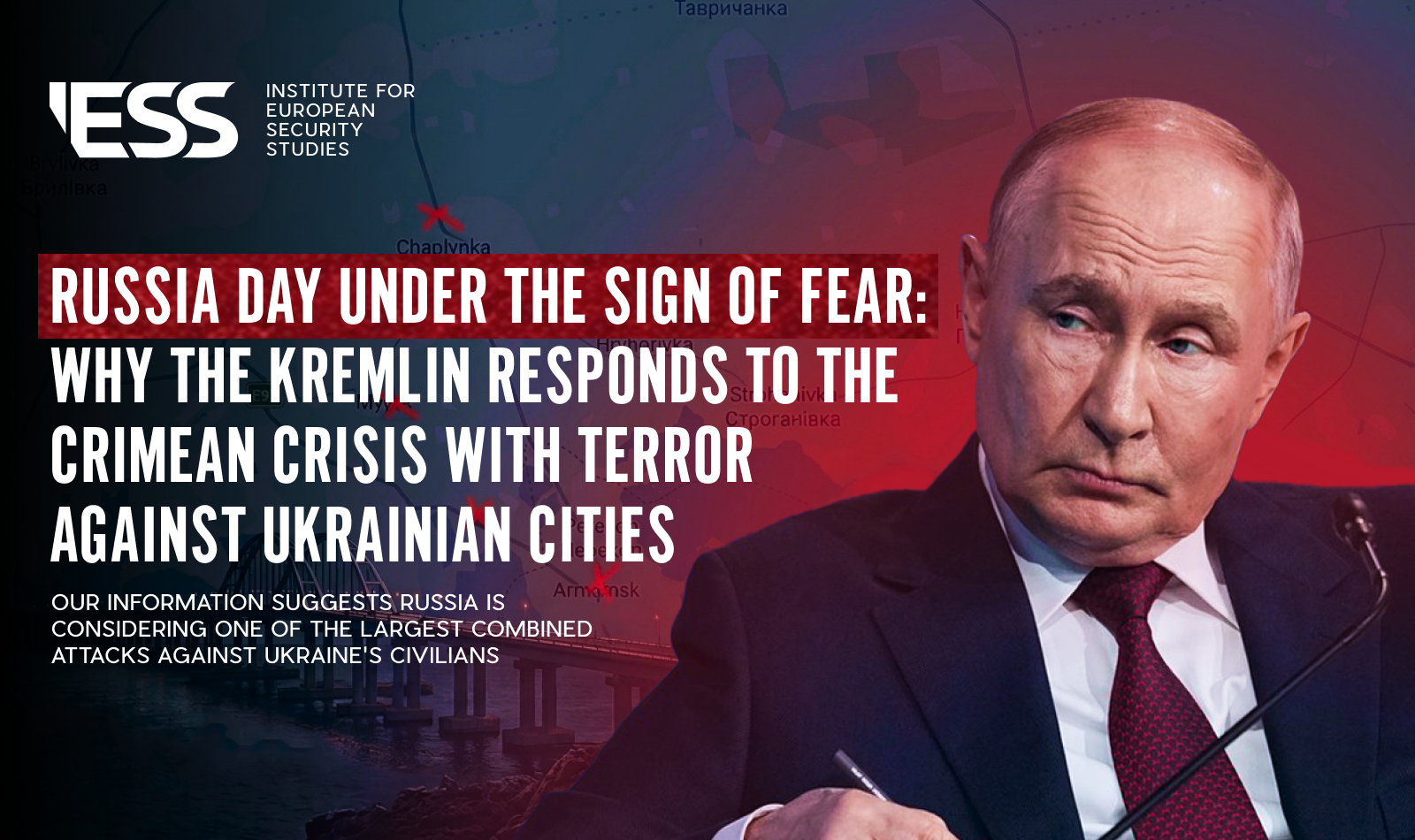
Just a few months ago, one of the Kremlin’s key victory narratives was the image of Crimea as an impregnable fortress. Today, the situation has changed.
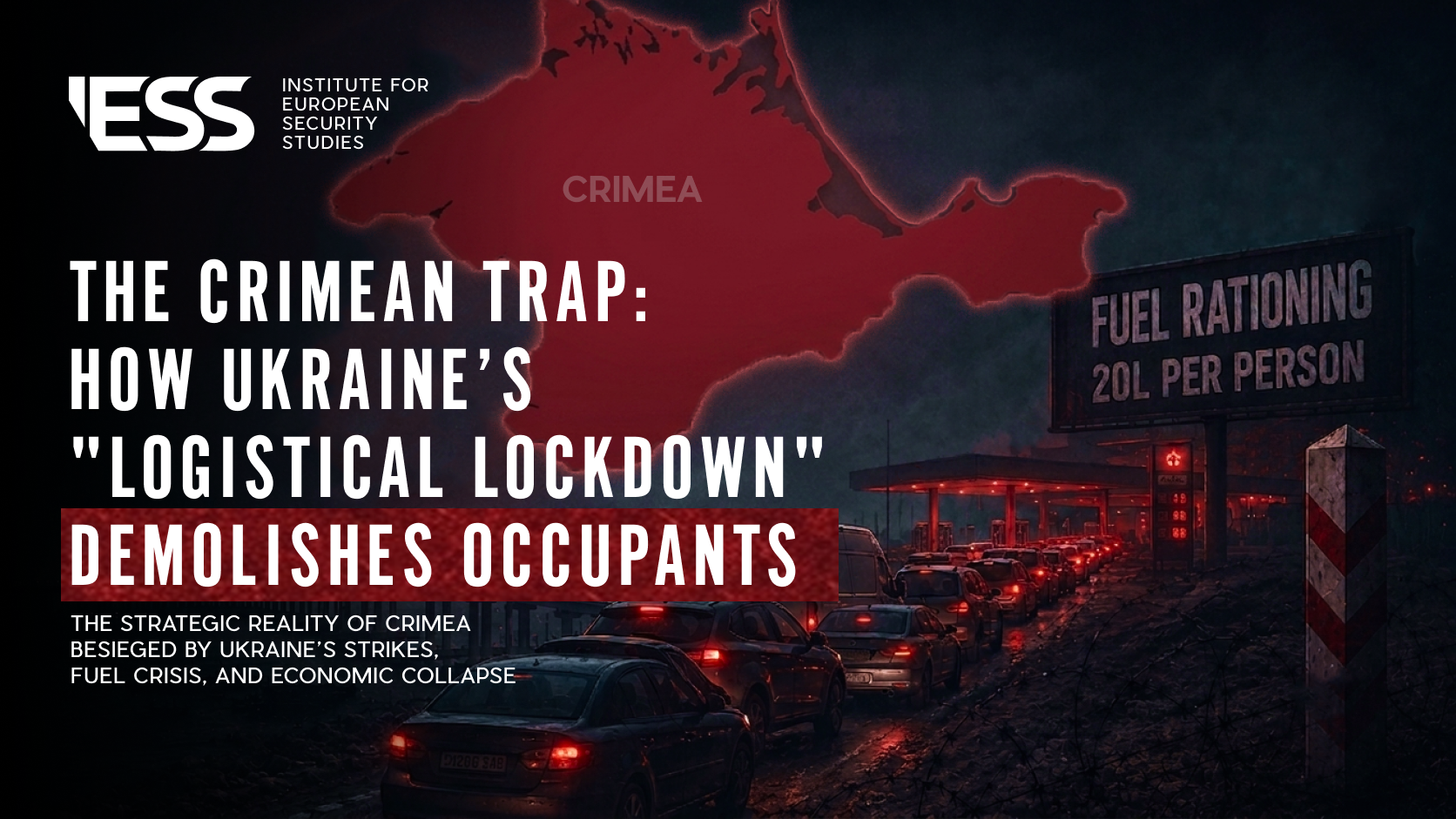
The strategic reality of the Crimean Peninsula is undergoing an irreversible transformation. Once heavily promoted by Moscow as an impregnable fortress, a symbol of imperial resurgence, and a safe rear base, occupied Crimea is rapidly turning into an isolated logistical trap.
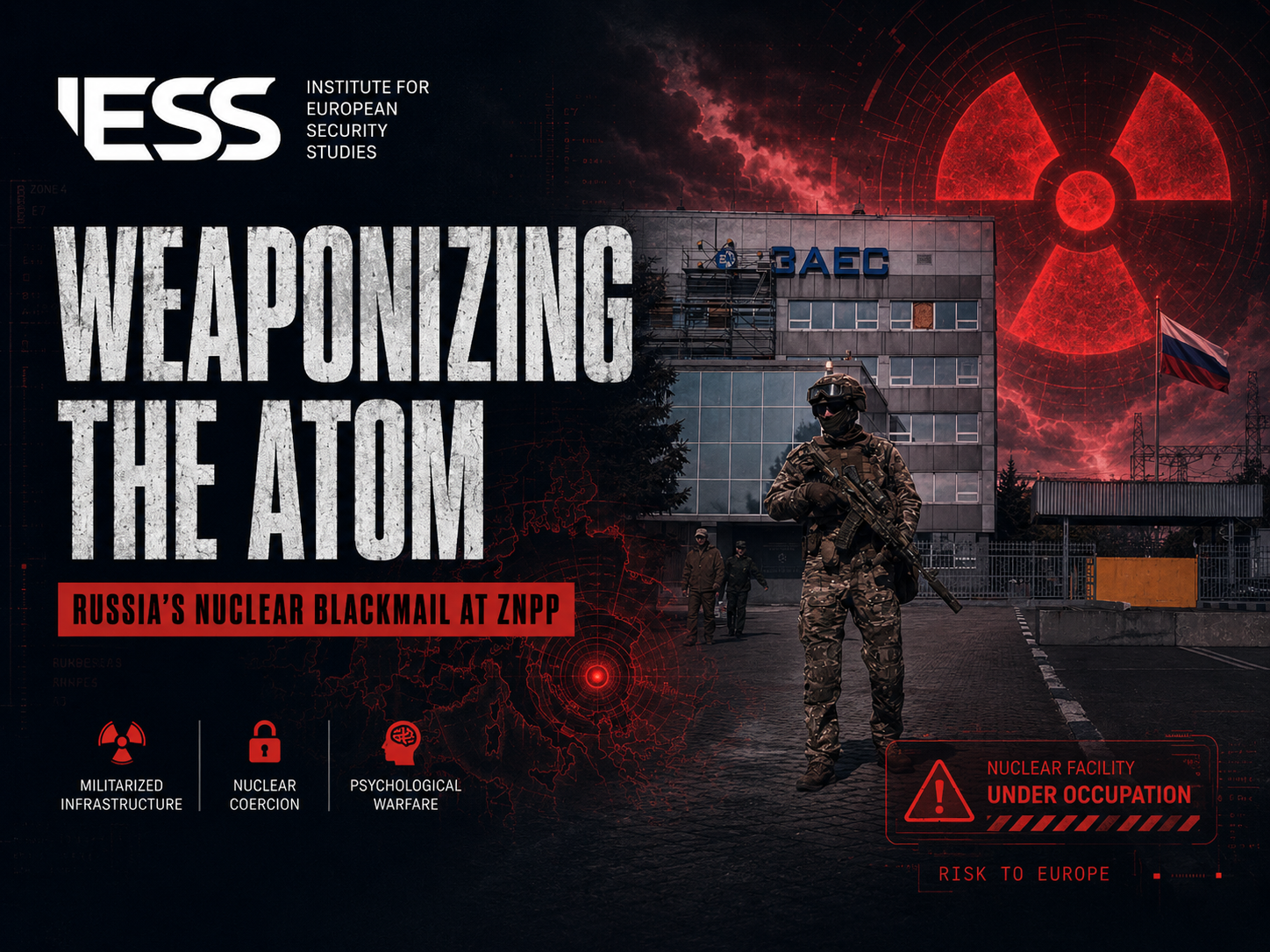
The weaponization of civilian infrastructure has become a defining characteristic of Russian military strategy.
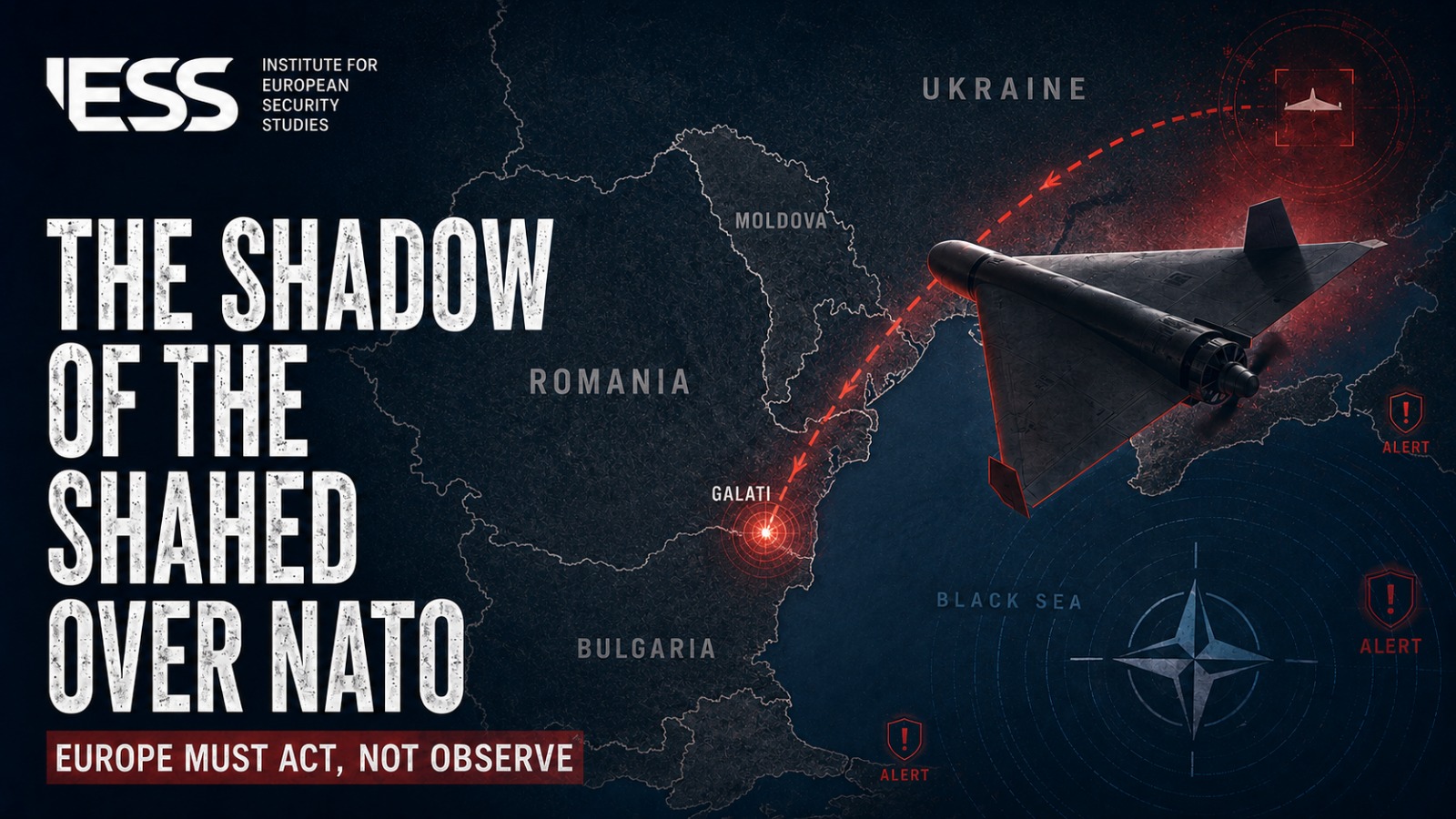
On the night of May 29, 2026, the war in Ukraine breached NATO territory once again, this time with devastating clarity.
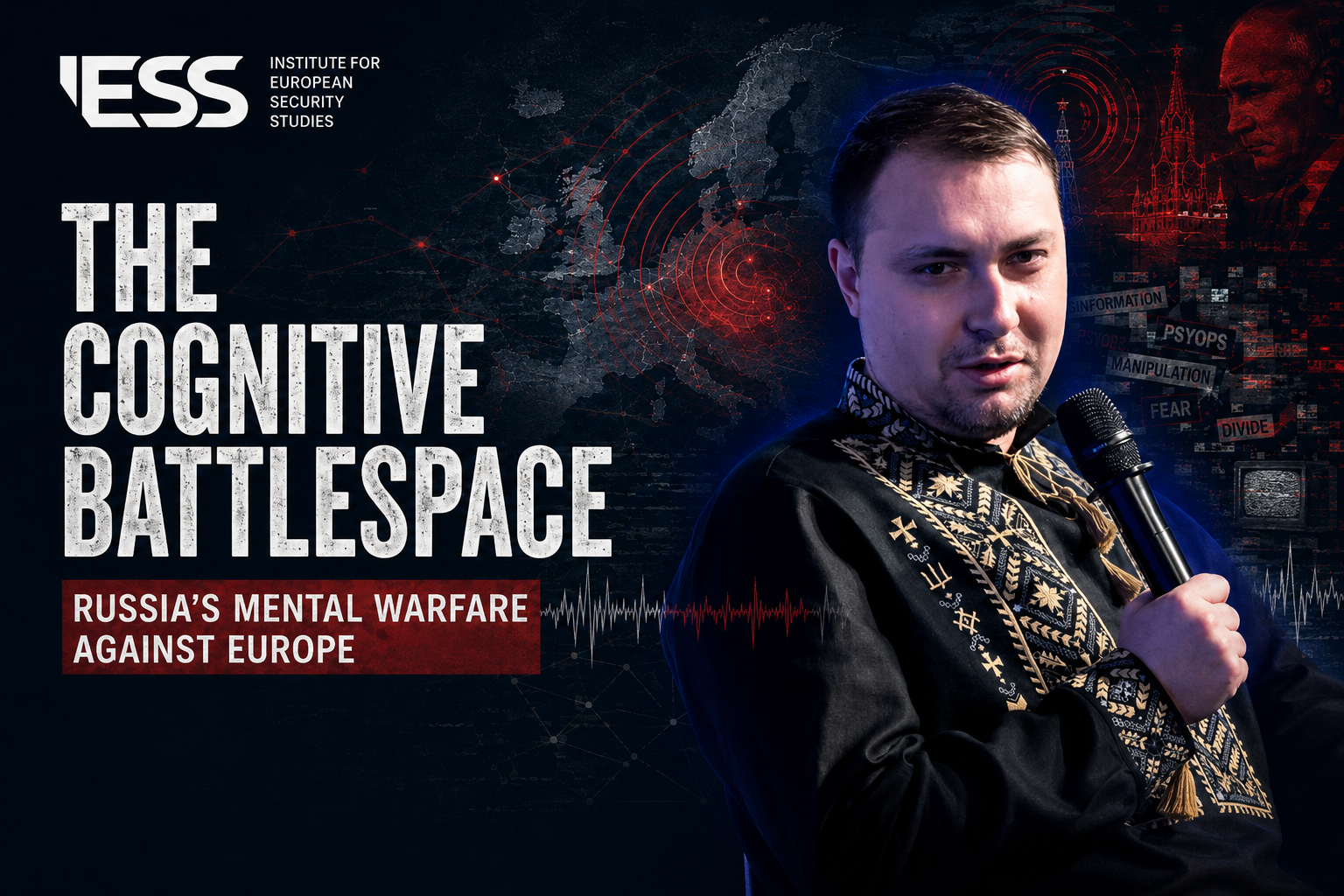
During the Kyiv Stratcom Forum 2026, Kyrylo Budanov, Head of the Office of the President of Ukraine, articulated a stark warning regarding the scale and sophistication of Russian Cognitive Battlespace, filled with PSYOPs. Backed by colossal historical experience in the distortion of meaning and reality, the Kremlin's current cognitive warfare in Ukraine is not a localized issue. Rather, it serves as a live testing ground for psychological tactics designed to subvert democratic institutions, fracture societal unity, and threaten the broader security architecture of Europe.

It can only be countered through tighter sanctions enforcement, unwavering support for Ukraine, and the robust fortification of NATO’s eastern flank.
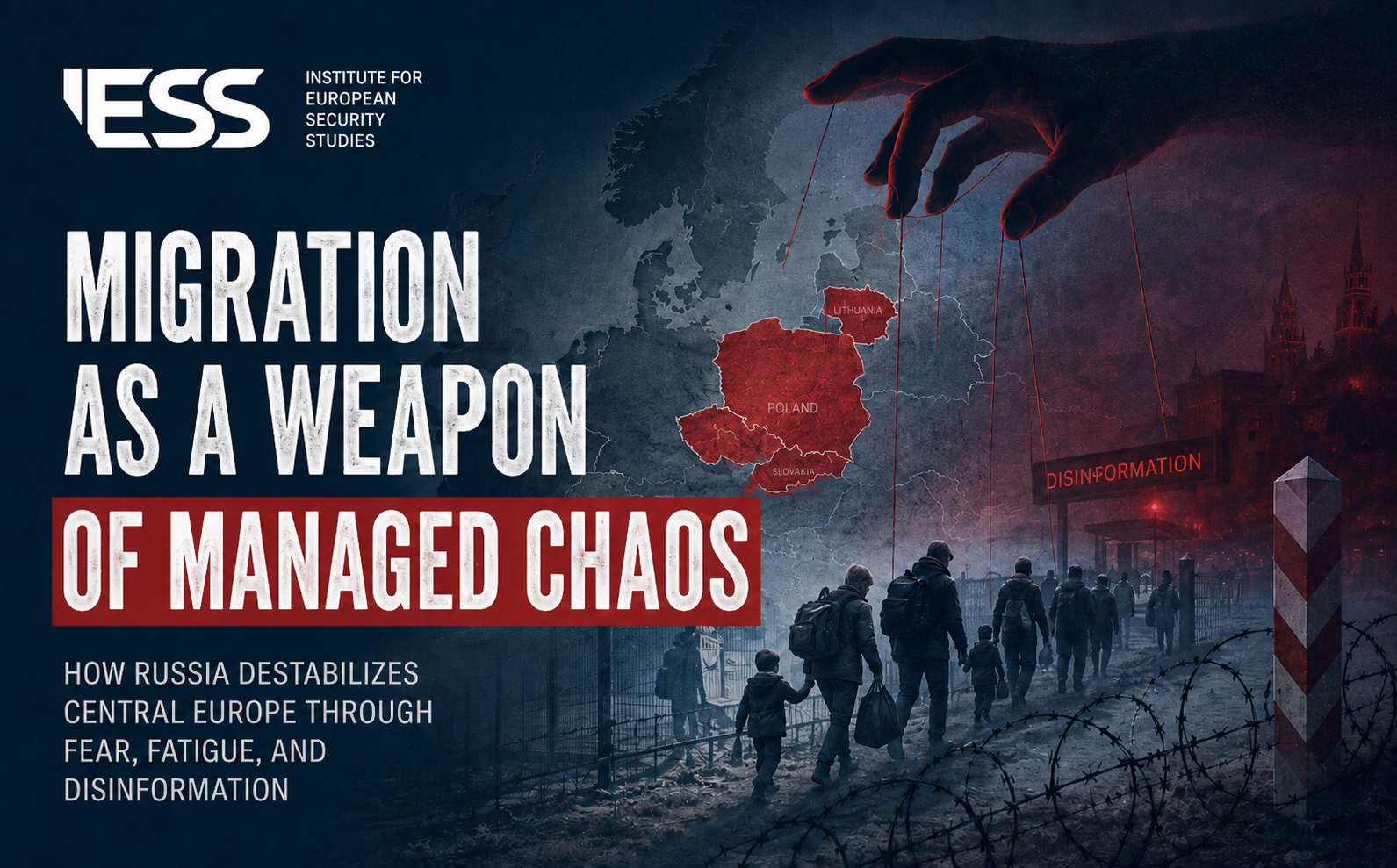
Migration in Central Europe is no longer only a humanitarian or border-management issue, but a growing instrument of hybrid warfare used by Russia to exploit public fatigue, fuel anti-Ukrainian sentiment, and weaken regional resilience. This article examines how migration-related fears are being politicized and amplified in Poland, Czechia, and Slovakia — turning the consequences of Russian aggression into a tool of destabilization against Ukraine and its European partners.

May 9, 2026, fixed the institutional paralysis and cognitive defeat of the Kremlin
Why Slovakia’s PM is flying to Moscow and why this is once again dividing the EU
How technological fires in Russia’s rear are destroying the myth of an unbreakable empire.
The appointment of Mykhailo Fedorov as Minister of Defense was not merely a personnel rotation, but a signal of a change in the very logic of managing the war.
What the story of Ukrainian grain from occupied territories actually means.
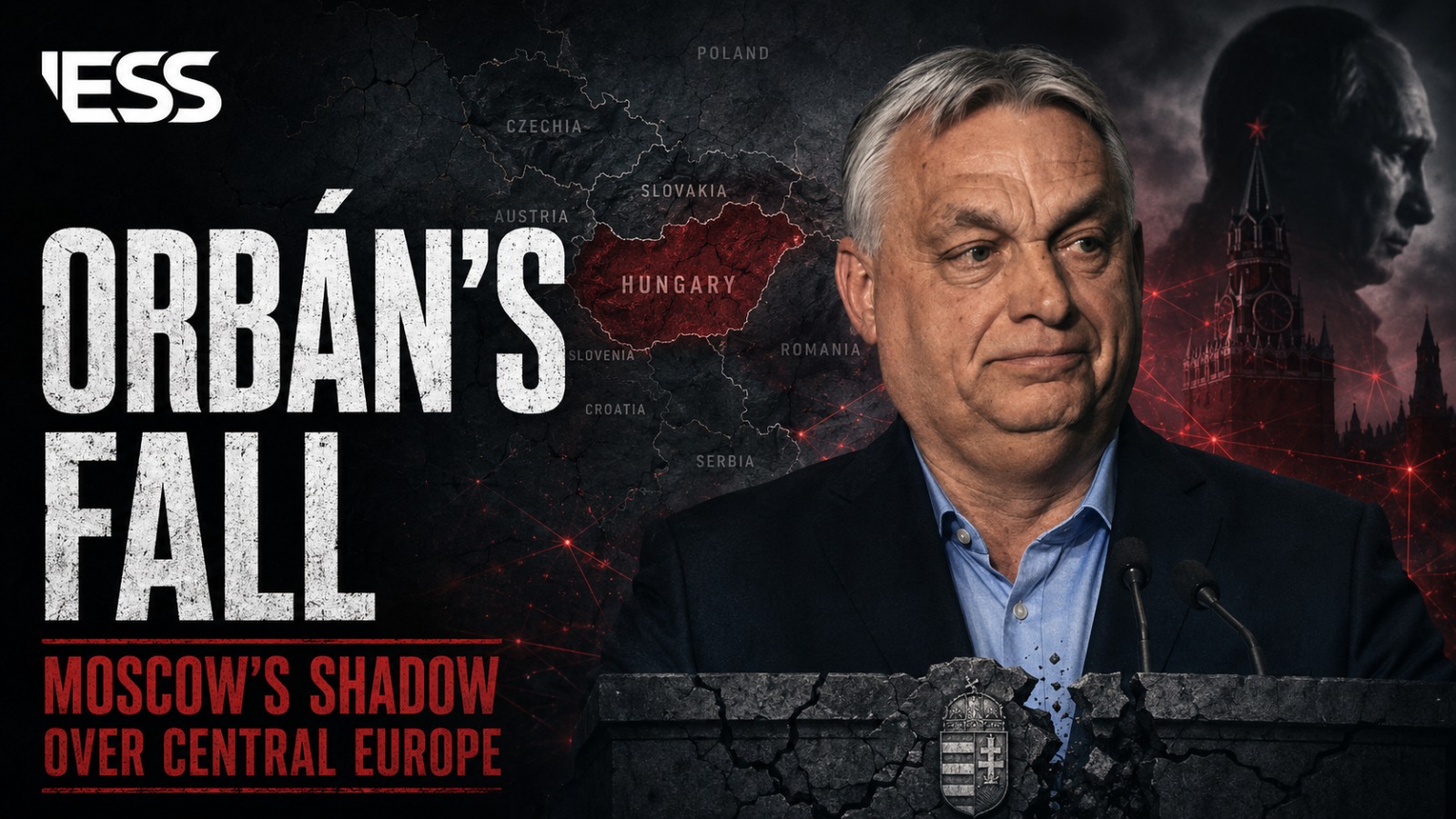
The fall of Viktor Orbán is not a story about how “external forces” broke yet another sovereign leader.

Any contacts with the Russian ambassador under the current circumstances cannot be regarded as a neutral diplomatic gesture.
Yes, this is indeed a catastrophe. But not the one Lukáš Machala is talking about.
In our explainer, we trace how Russia’s war against Ukraine unfolded long before the full-scale invasion of 24 February 2022. It follows the trajectory from the Revolution of Dignity and the occupation of Crimea through the hybrid war in Donbas, the evolution of Kremlin propaganda, and the escalation into Europe’s largest war since World War II. Along the way, it shows how narratives about “coups,” “Nazis,” elections, the church, and demonization of Ukrainian leaders were weaponized to justify aggression and later evolved into modern influence operations powered by digital networks, FIMI techniques, and AI-driven manipulation. This is not simply a campaign against Ukrainian statehood and agency, but an act of war against Europe. As Russia finalized its wartime mobilization model and prepares the capacity for further escalation, the war is unlikely to end quickly and will likely expand beyond its current form.

At their summit, the Europeans are backing Zelenskyy and intend to provide fresh funding. Furthermore, EU satellites are to offer an alternative to internet access via Musk's company.
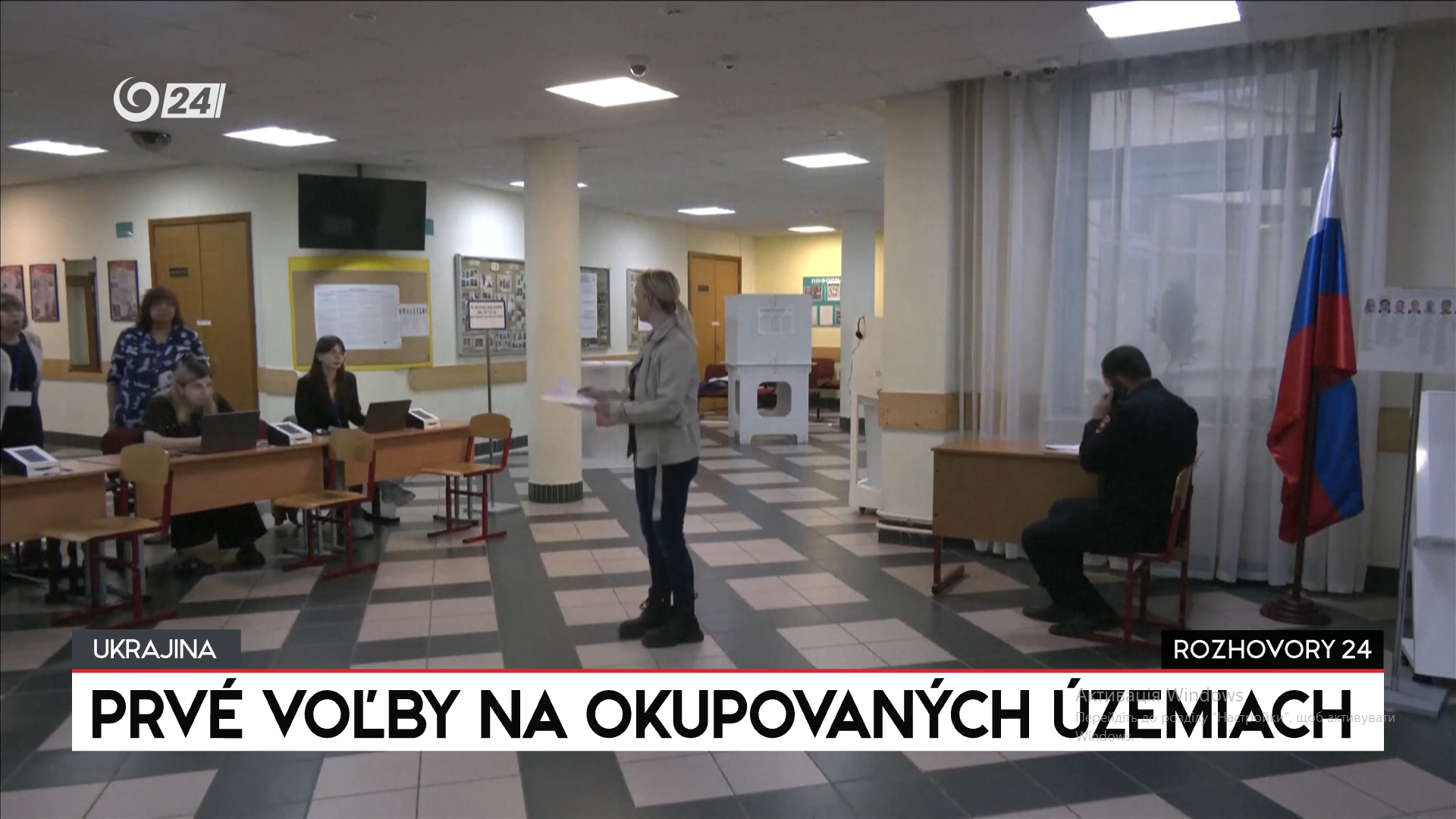
Video commentary by IESS Chief Analyst Valerii Vins.
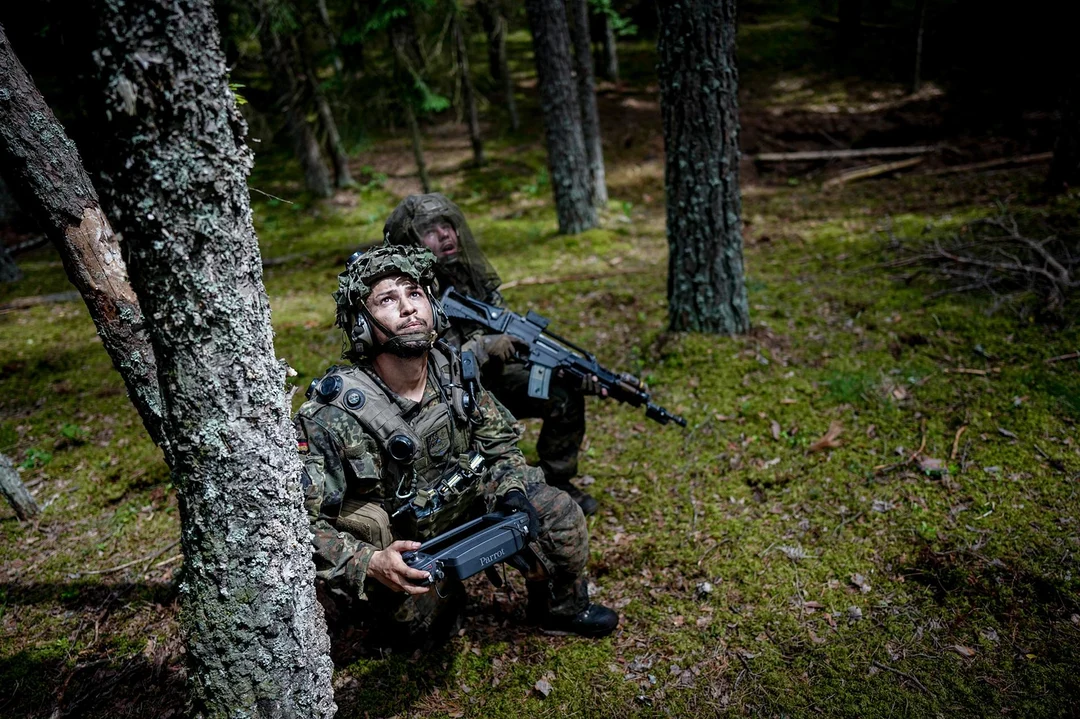
Russian provocations in Europe are increasing. Here is a report on our preparedness.

They could hit Slovakia hard.
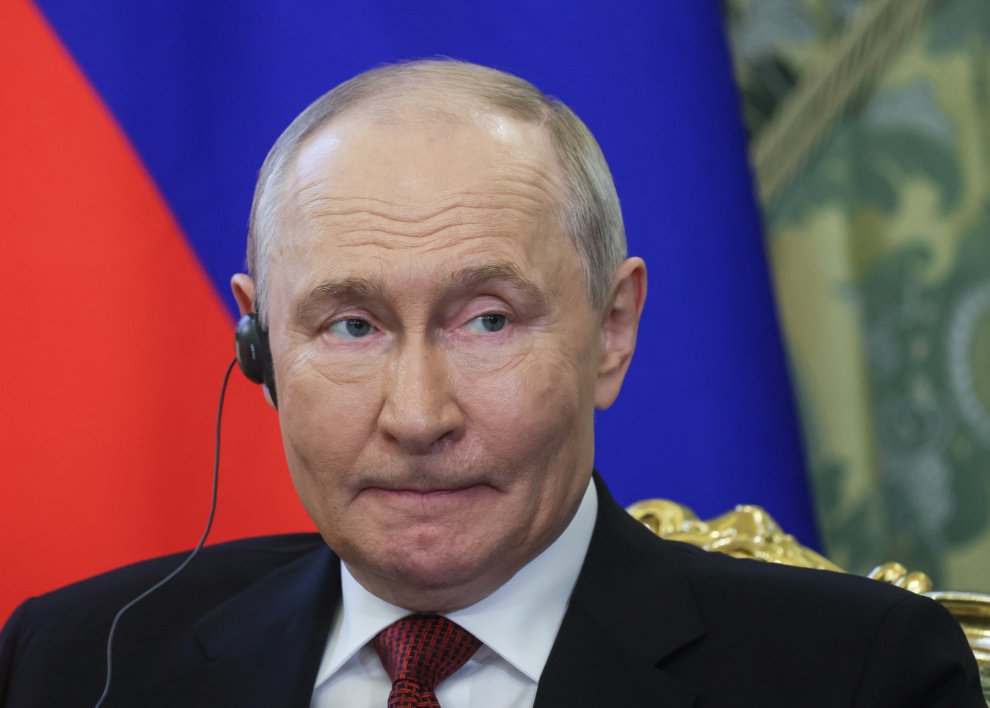
Watch the Russian Duma elections like an expert.
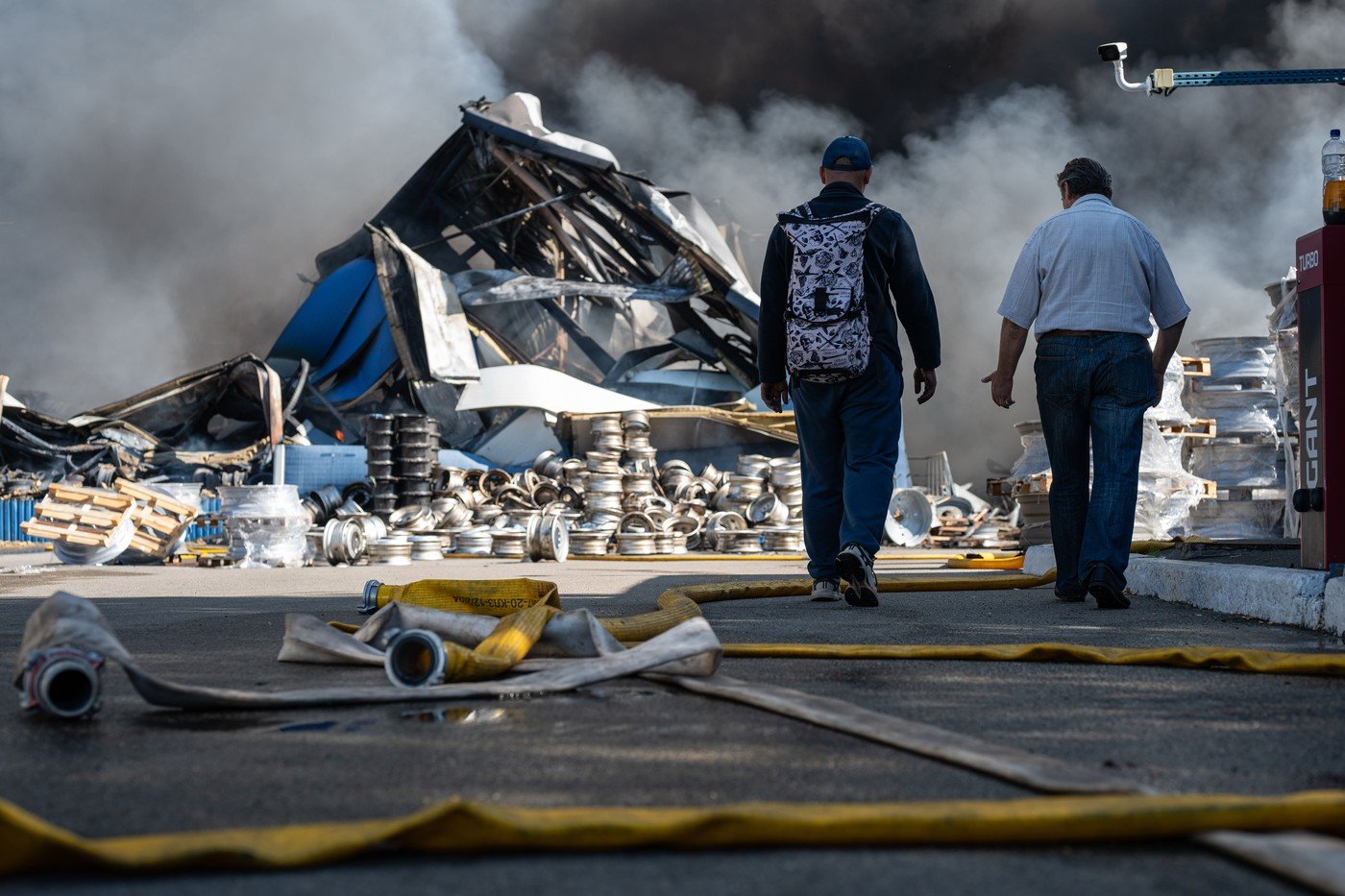
Kyiv faces days of Russian attack

Ukrainian soldier loses leg, returns to unit with prosthetic, heads for half marathon

Three scenarios for a harsh winter.

They Are Launching Faster and Deadlier "Shaheds" at Ukrainians

When Russia launched 24 Iskander-M ballistic missiles at the Ukrainian capital on Wednesday night, Ukrainian air defenses failed to shoot down a single one of them.
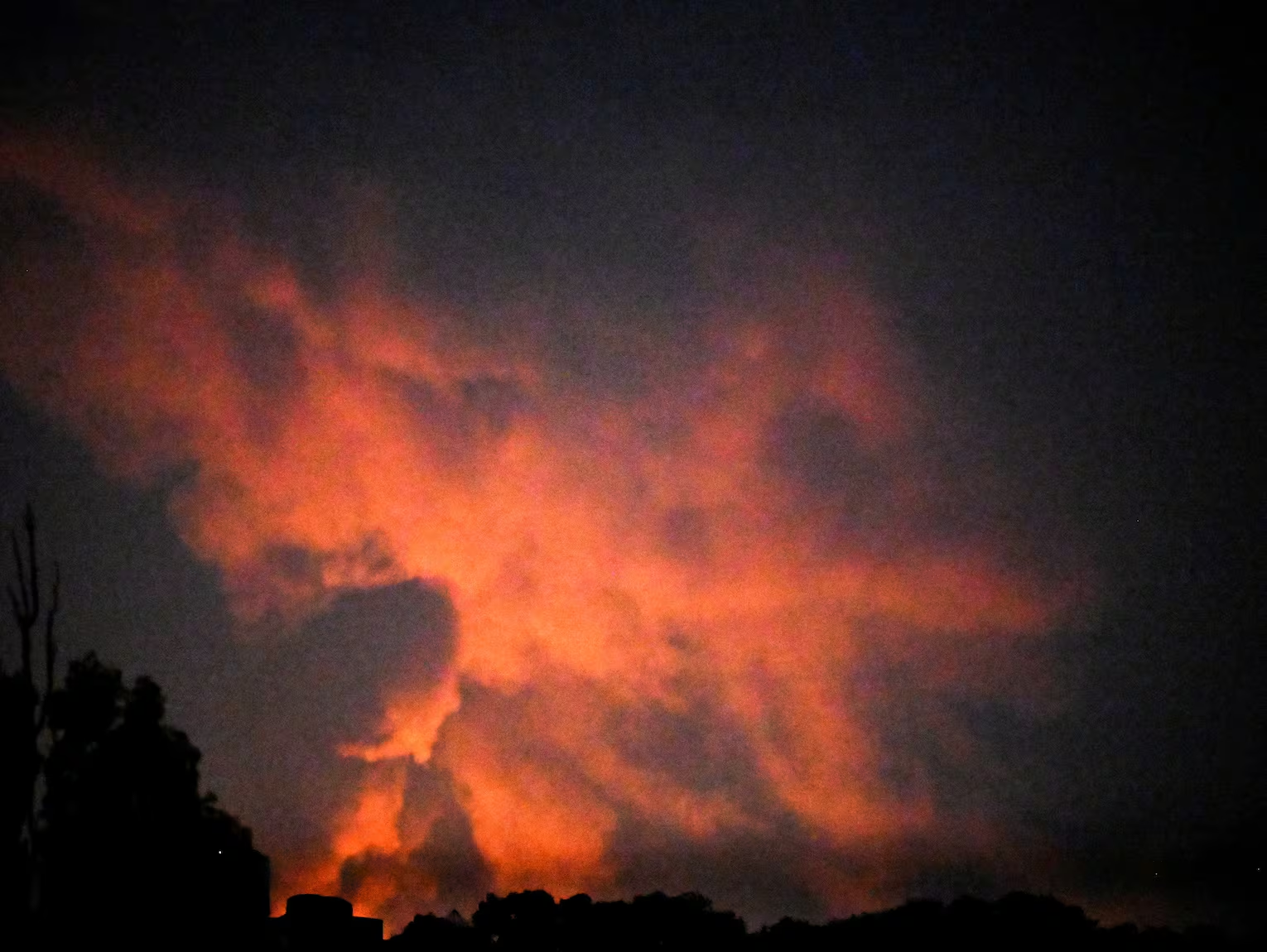
Russian bombing raids killed seventeen people last night in Kyiv. Desperately short of Patriot missiles, Zelensky is urging his allies to provide systems capable of protecting the capital.
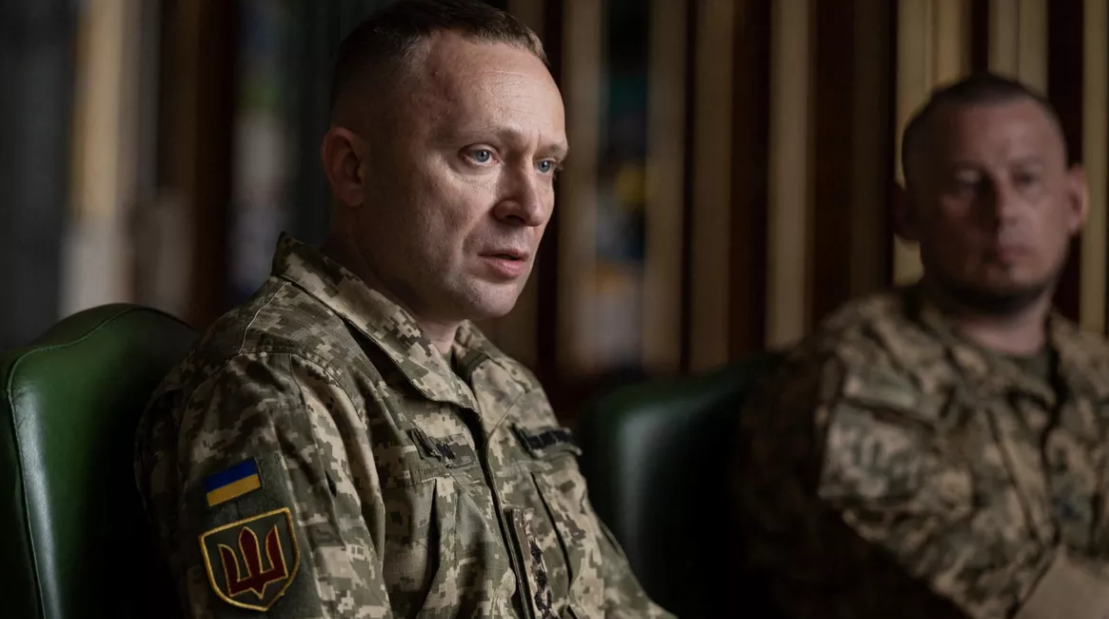
The choice of this popular 43-year-old officer appears to be a concession to the protesters who were demanding General Syrsky's departure.
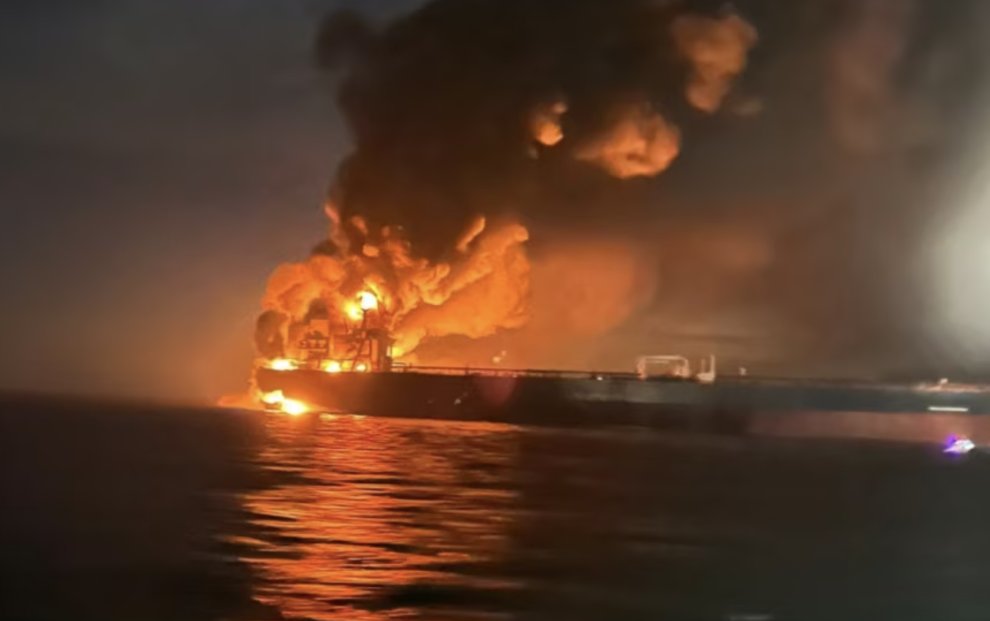
They are turning it into a sea of dead Russian ships.
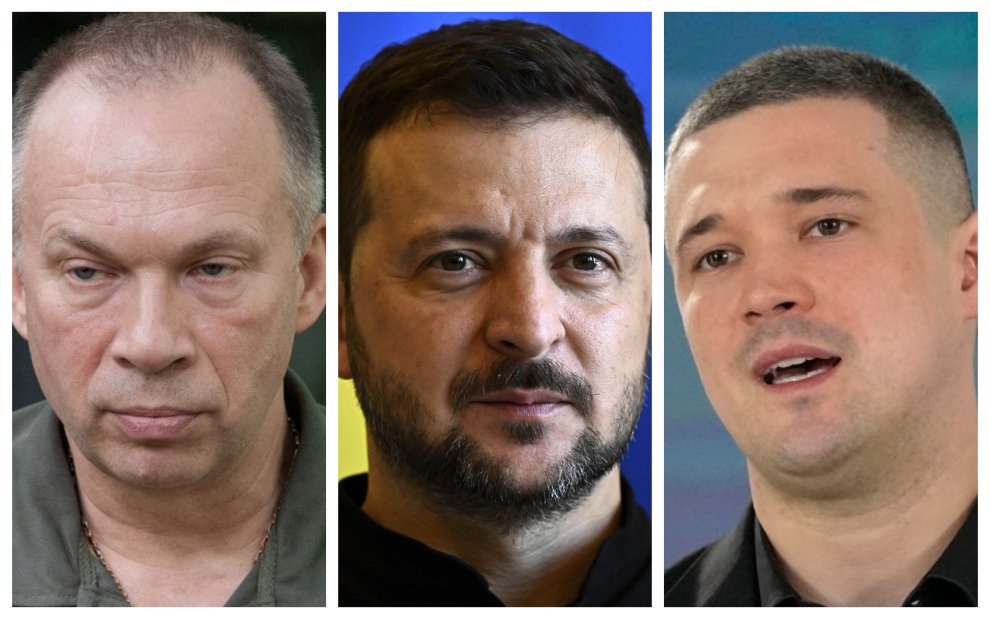
Dismissed Minister Fedorov criticizes Commander Syrsky and conditions in the army.
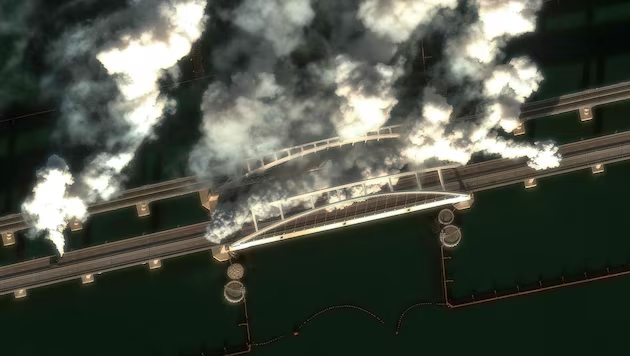
With constant drone attacks on supply routes, Ukraine has almost completely isolated the Russian-occupied Crimean Peninsula.
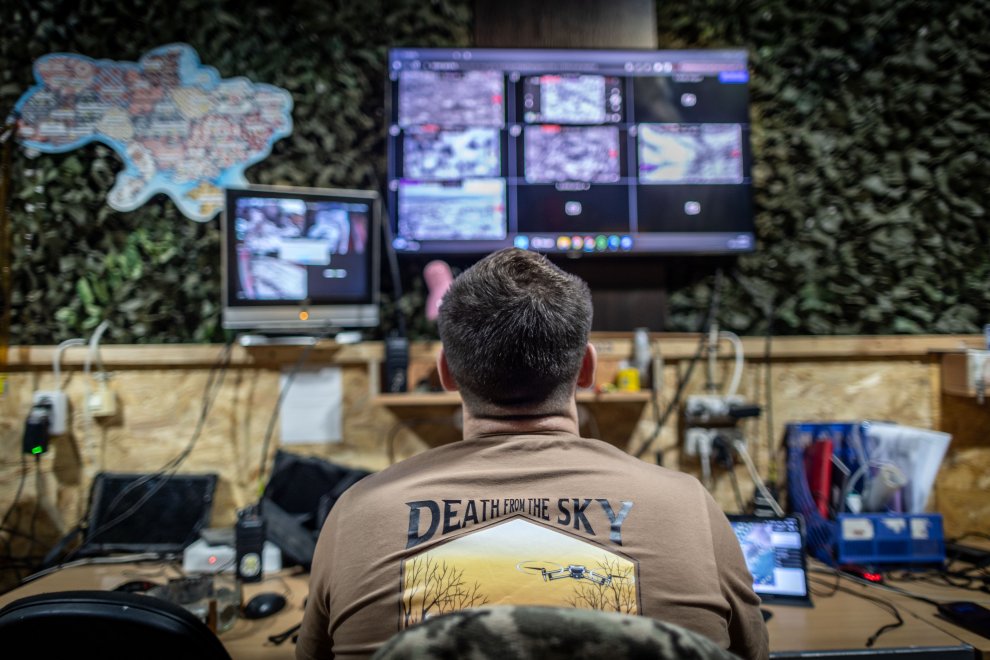
Russia and China Have a Plan to Shut Down Starlink.
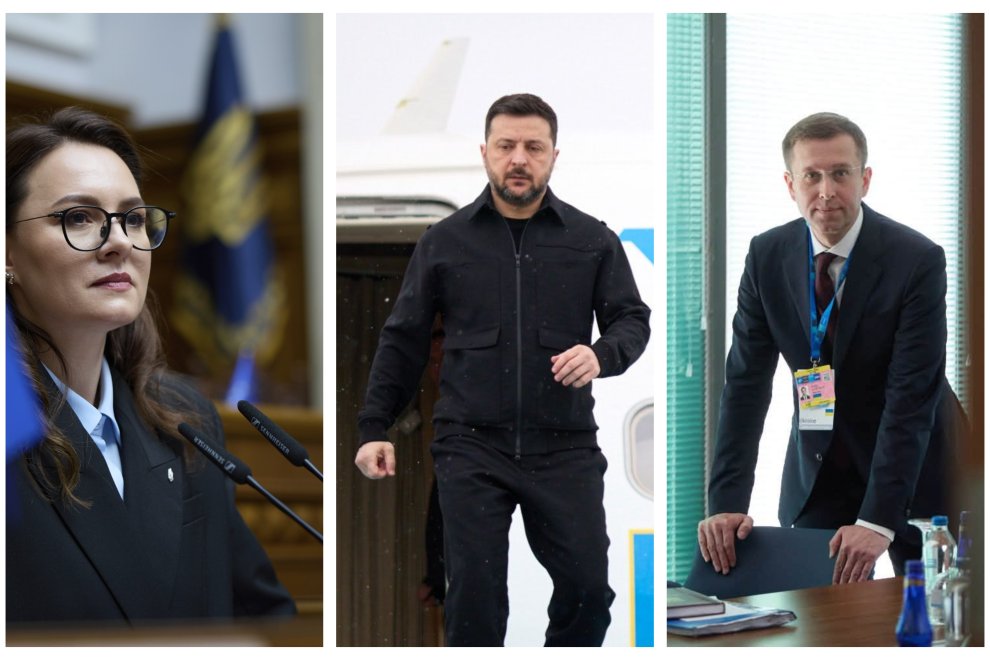
He has his favorite for the position of PM.
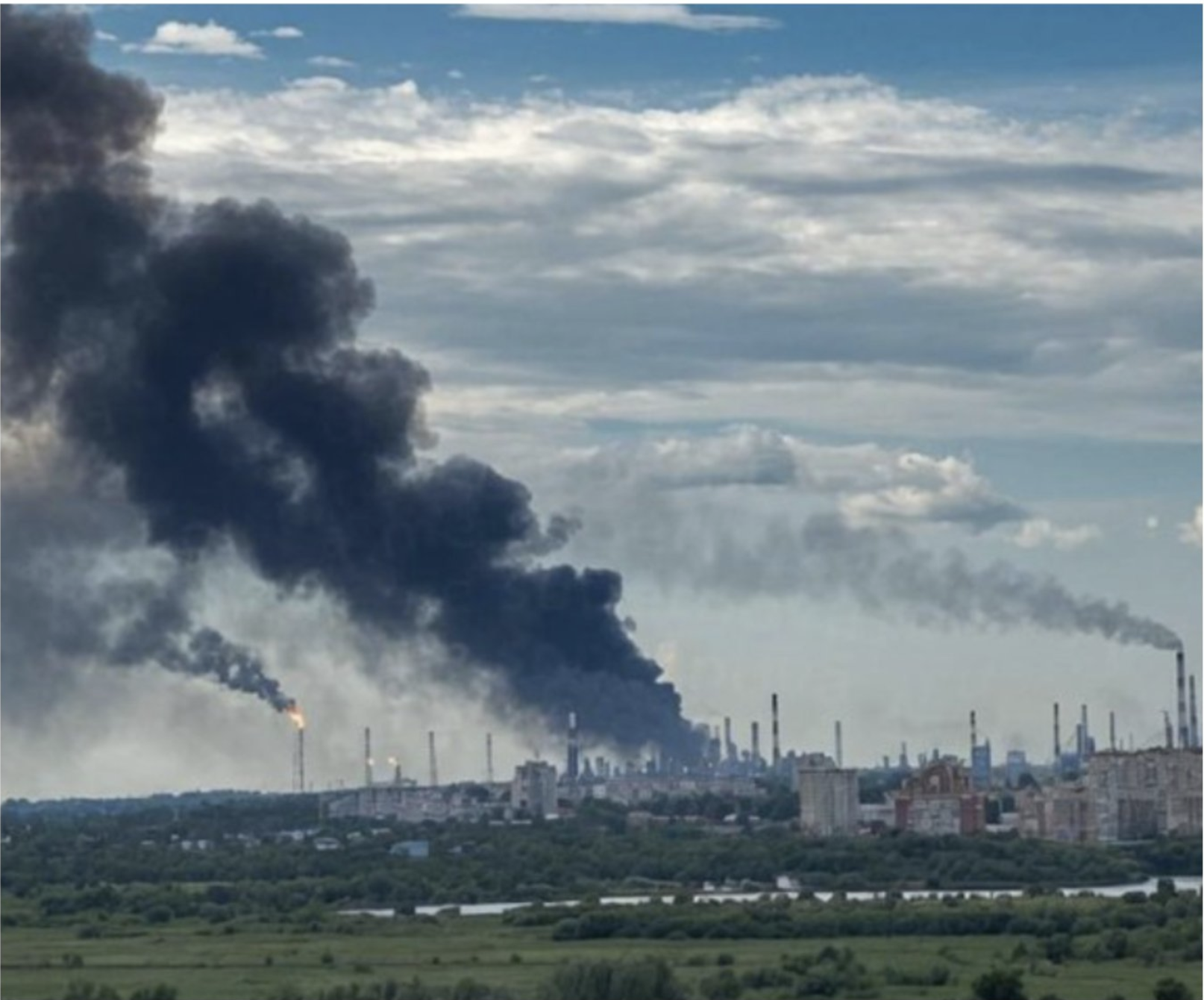
Ukraine Battlefield update, Day 1,594
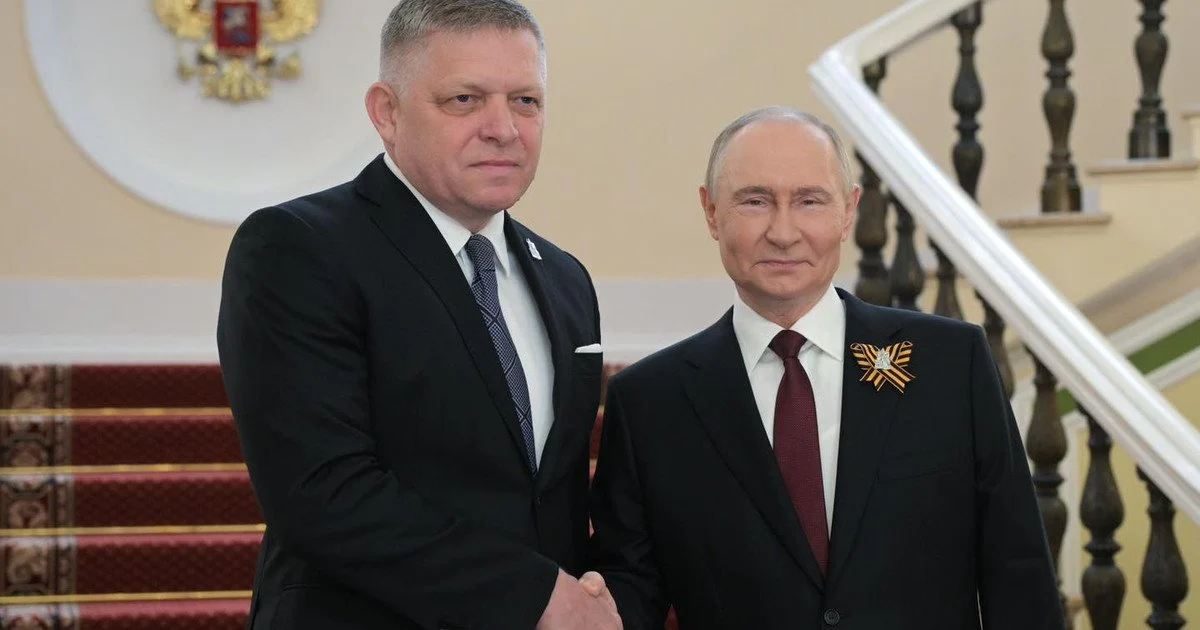
Mesežnikov emphasizes: the Slovak Prime Minister remains the same politician he has been throughout his entire career.
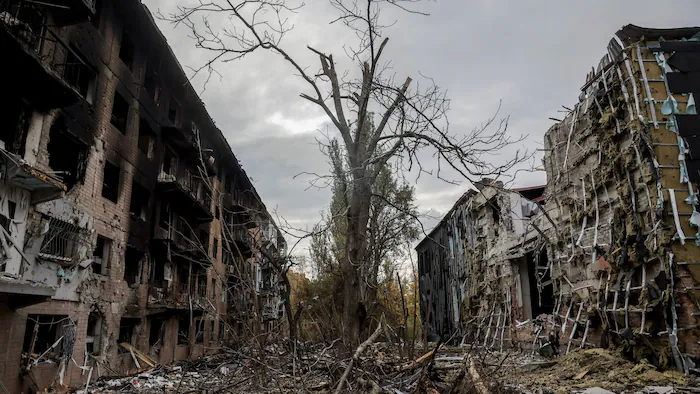
Putin remains confident of victory and speaks of the Russian army's advance.
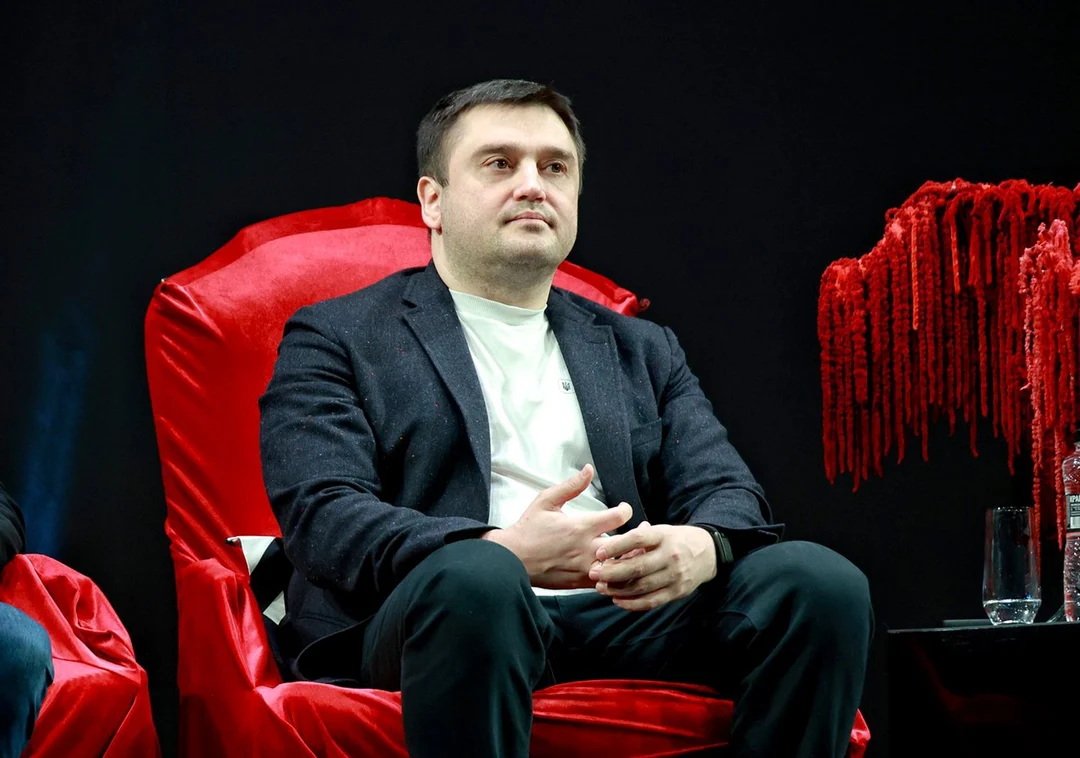
How the drone army was born and how to make life as easy as possible for people in war
Russian air defense is in a catastrophic state. And it will escalate
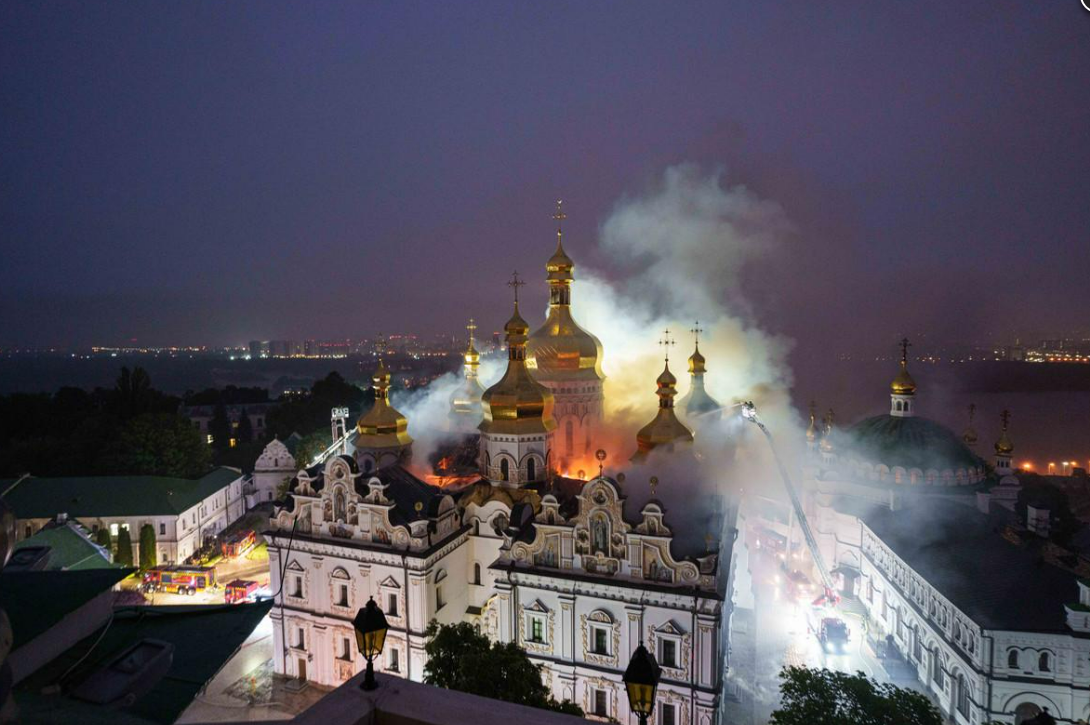
Russia struck a Kyiv church that had been under Moscow's control for years
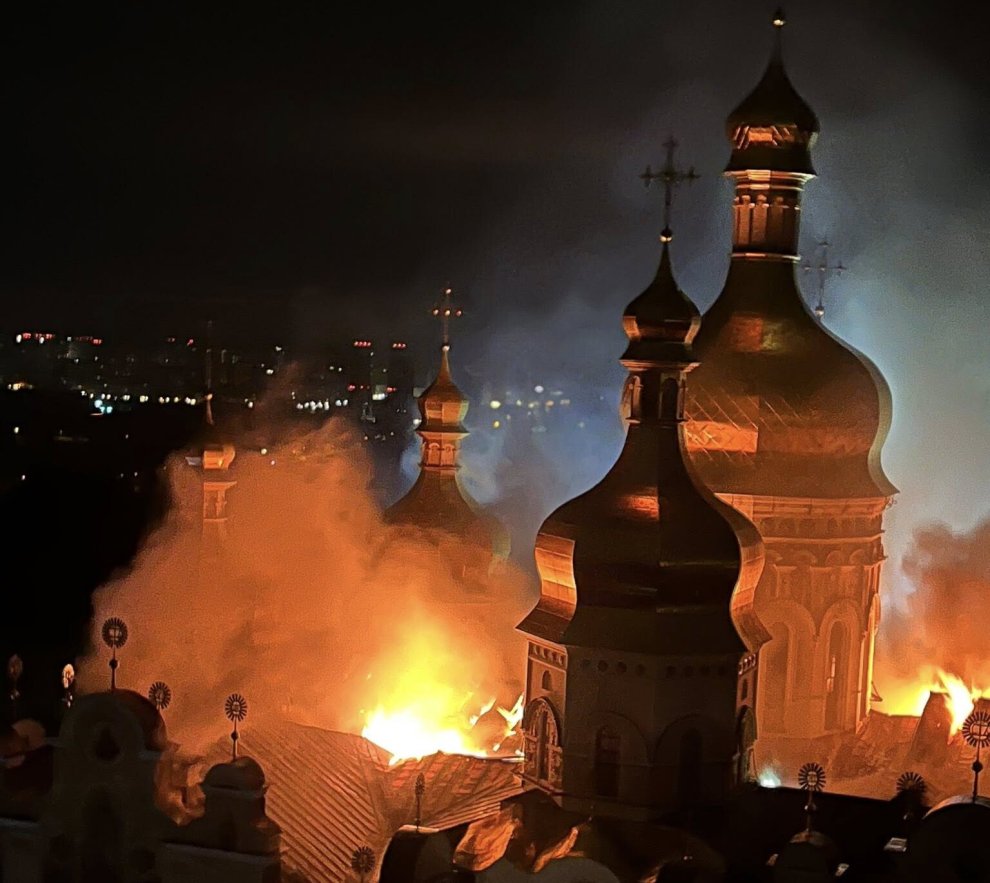
The world reacts to the burning of the oldest Orthodox monastery in Ukraine

Why the news from Kinburn Spit has caused so much excitement in Ukraine
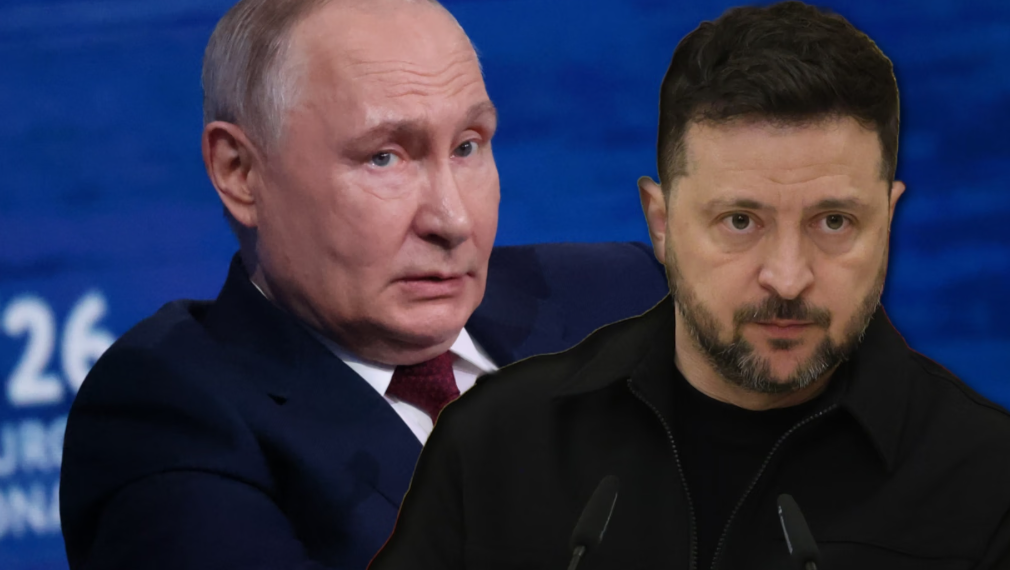
The expert points out two key points.
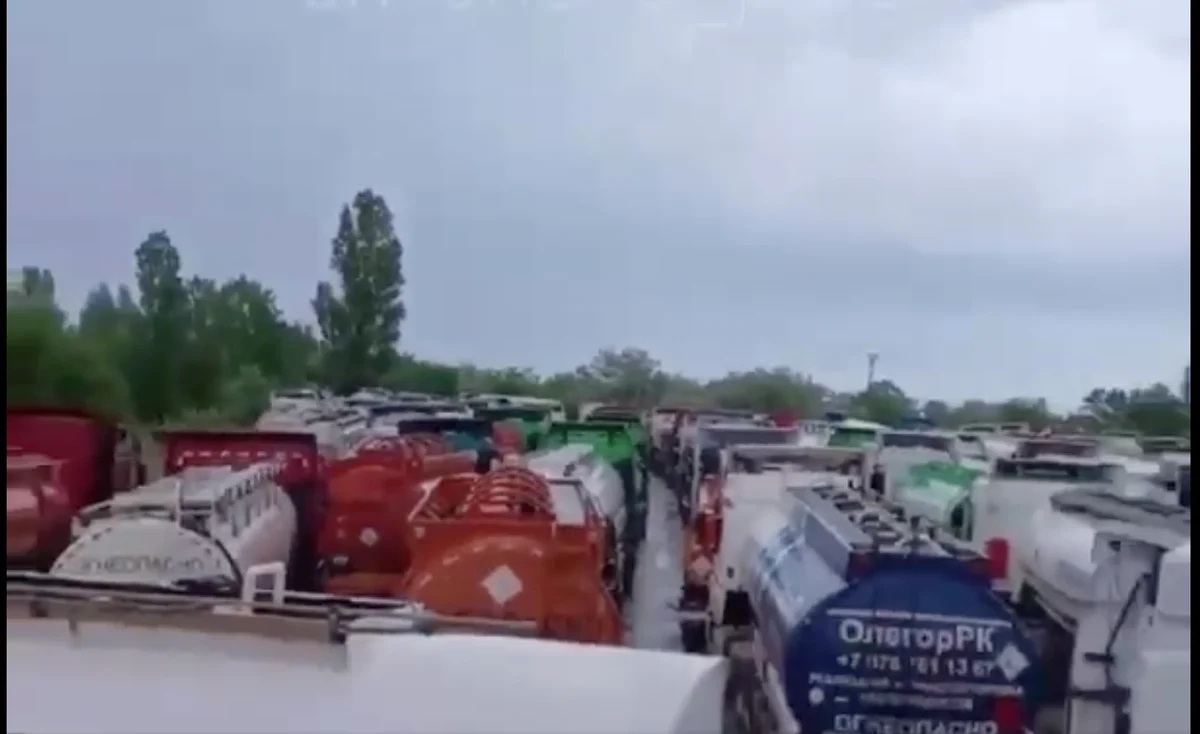
Crimea is no longer safe for Russians
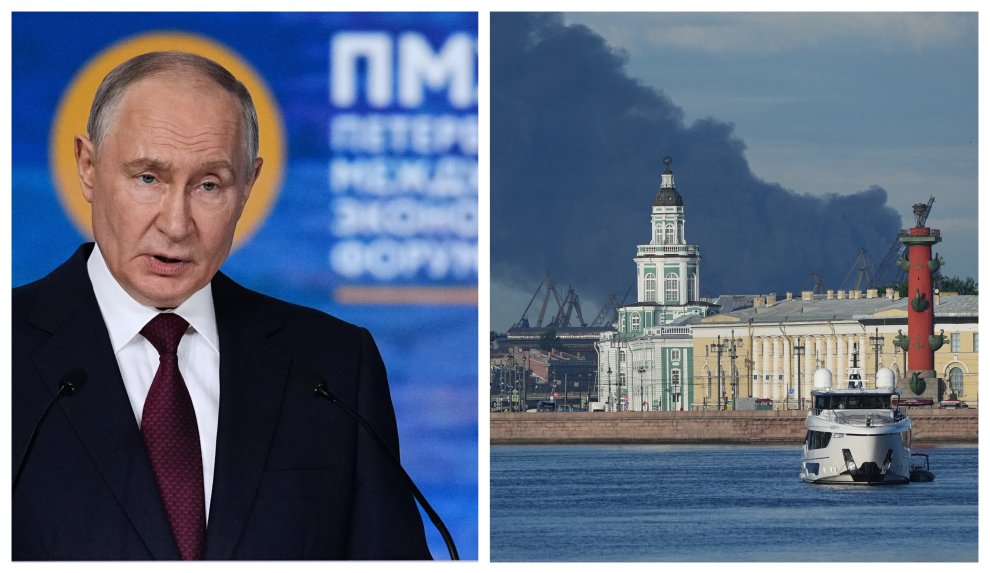
Members of the Russian elite are beginning to call for a halt to the fighting

How will they continue to develop and do you expect other new weapons to emerge that will change the situation on the battlefields?
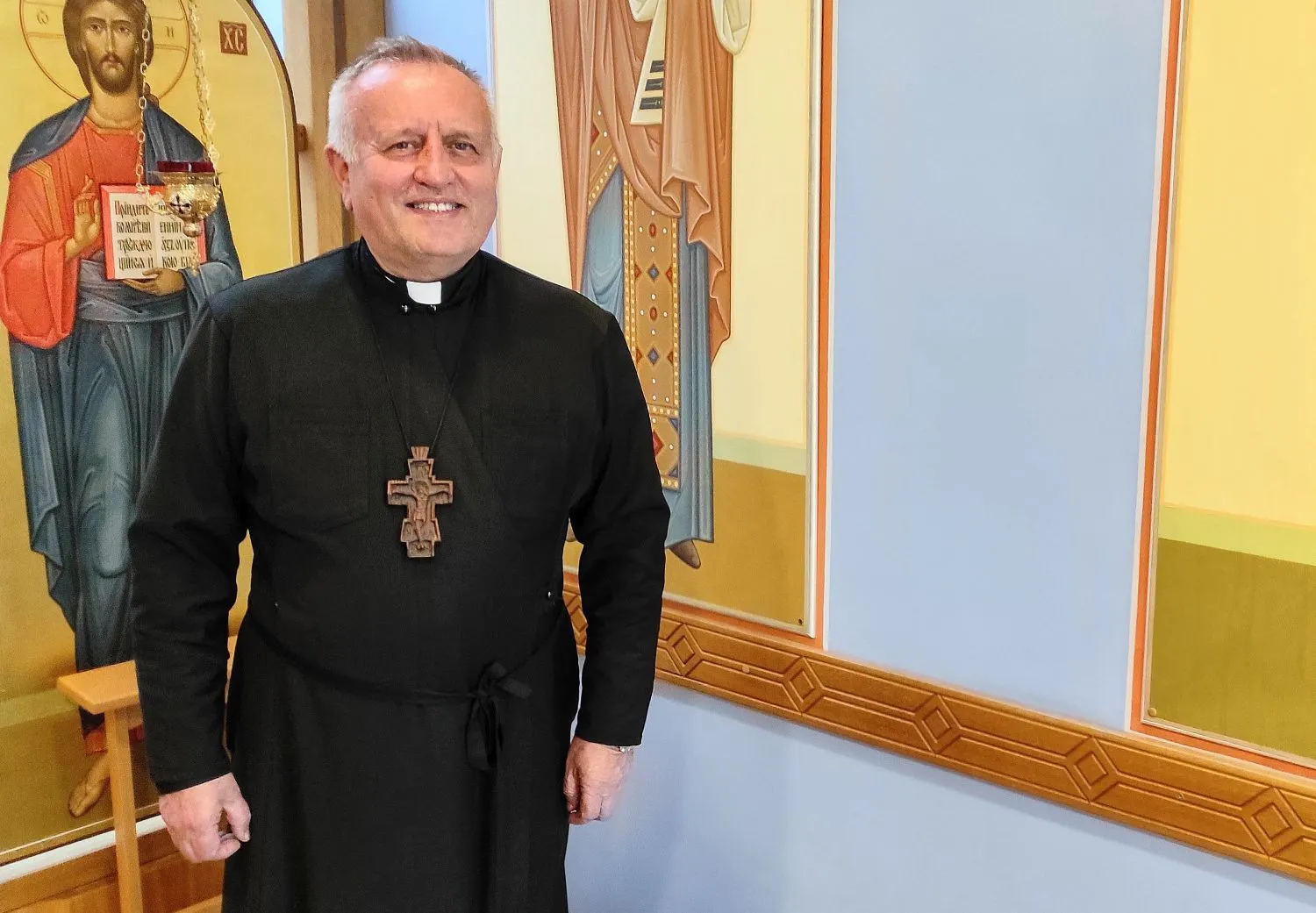
Peter Krenický, a Greek Catholic priest who has served in Ukraine for over 30 years, never takes a smile off his face, claiming that goodness is the best answer to everything. His story, when he was captured and tortured in Melitopol by Russian occupiers in November 2022, must have been read or listened to with astonishment by many, as he has maintained his sense of humor even in difficult times, and today he serves in a small village in Transcarpathia.
Ondřej Kundra's (Ne)bezpečí #47 with analyst Hlib Fiščenko on the dispute between the Ukrainian president and the Slovak prime minister over natural gas supplies from Russia.

Some associations or organizations operate only on US-funded projects. Independent and anti-corruption media also have grants. For example, the film industry also receives grants, e.g. a documentary on the genocide of the Crimean Tatars received a grant
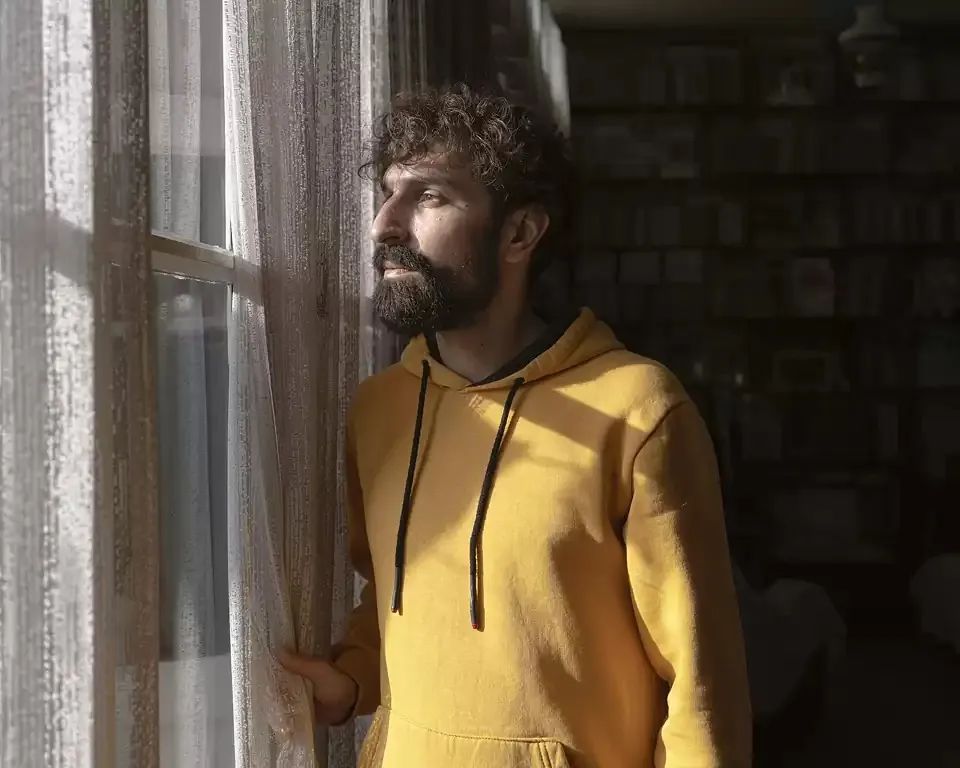
Protesters in Georgia are fighting for democracy, rapprochement with the EU and their personal future. Since the parliamentary elections in October 2024, which were overshadowed by allegations of manipulation, thousands of people have regularly taken to the streets, especially in the Georgian capital Tbilisi. In some cases, there has been massive police violence against demonstrators and journalists. A new level of escalation, while the pro-European movement has been facing repression for a long time. Who are the protesters and what helps them not to give up?
On January 14, 2025, Kyiv will host an important conference, "Peace for Ukraine: A Slovak Perspective," which will bring together public figures, journalists, and activists from Ukraine and Slovakia. This event is a symbolic and effective response to the diplomatic initiatives of Slovak government officials aimed at rapprochement with Russia and demonstrates that Slovak civil society stands firmly with Ukraine.

"Ukraine is not interested in continuing gas transit because this helps to finance a war against itself. That would be a suicidal step" said Vsevolod Vereshchahin, Head of Board of the IESS. "I don't think that the gas flow could be resumed, as Ukraine has repeatedly and well in advance warned that it will not happen", he added.
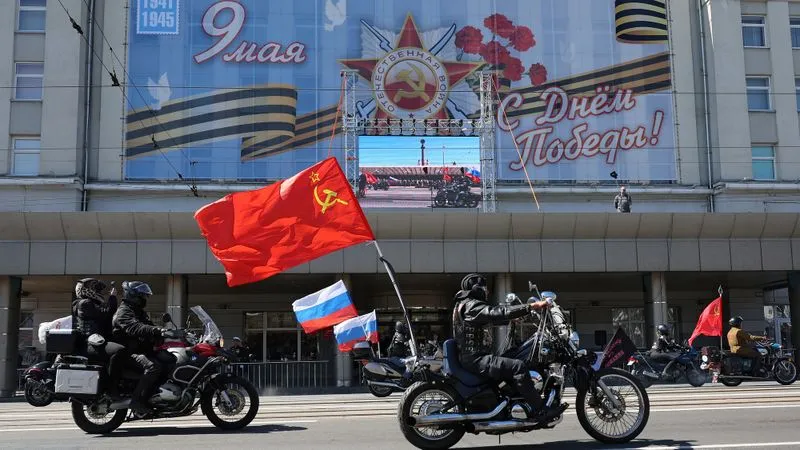
It is known that the Kremlin is spending huge sums of money to increase Russia's destructive influence in Europe, what the Russian special services call 'information and education activities'. This beautiful name, which is supposed to promote the 'Russian world', the 'Russian soul' or 'Russian hospitality', is in fact nothing more than propaganda, which contains all the elements of information and psychological operations (IPSO).
"This is just the kind of populist talk that the Prime Minister is doing, but I don't know why he is doing it. If we are confident in Gazprom ceasing to be a tool for financing the war new contracts could be signed, now it doesn't look like it," reports Hlib Fishchenko, Director of the Institute for European Security Studies.
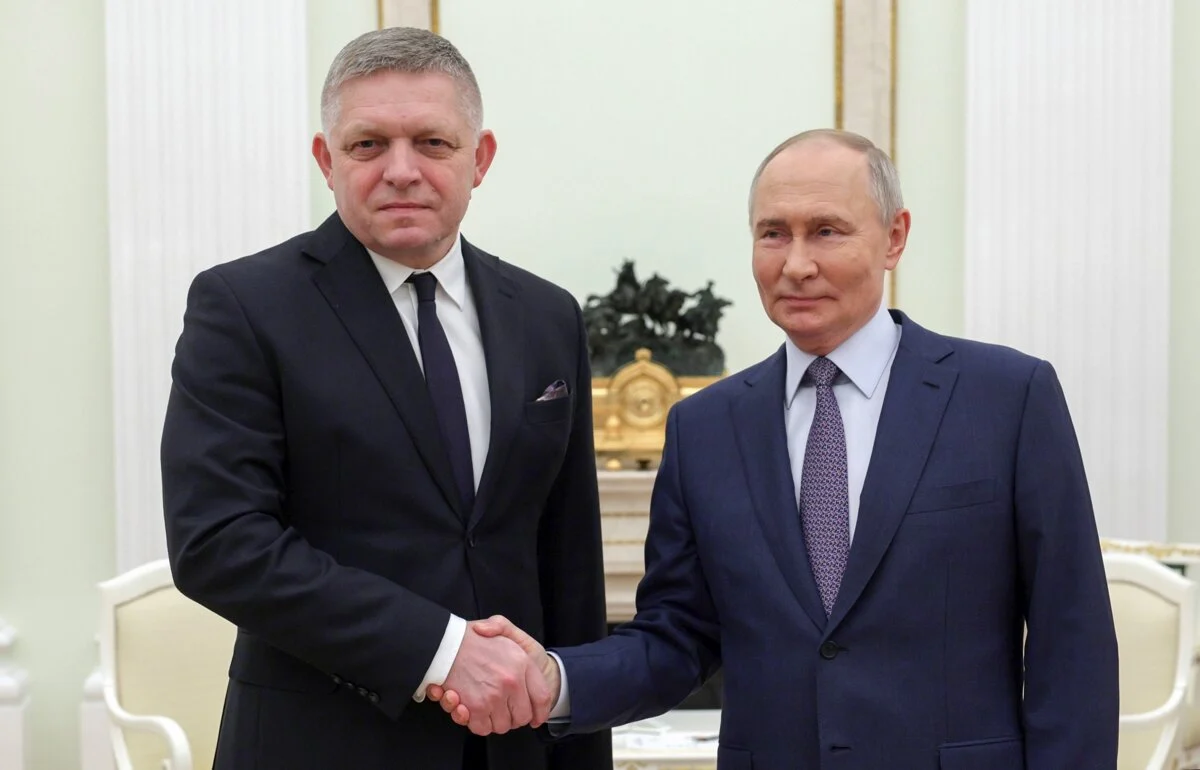
Fico’s visit to Kremlin is an attempt to legitimize Putin in Europe. "Russian media and Telegram channels have started to spread the information that Fico has broken down the wall between the West and Russia"
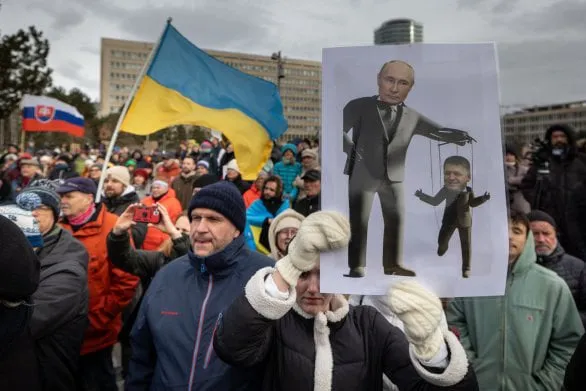
The Head of the Ukrainian Institute for European Security Studies, Hlib Fishchenko, pointed out that after Fico's meeting with Putin, "narratives spread among Ukrainians by common observers, for example, on social network X and influential users of other social networks, including Telegram, who do not understand Slovak political realities. They write that Fico is a 'dovbojov', a vulgar word Zelenskyy used to describe Putin.

CEE further demonstrates a growing gap between external threats and internal political resilience: while governments face electoral upheavals and crises, countries respond differently to security challenges, balancing between Euro-Atlantic unity, energy independence, and internal political risks.

Across the region, the language of security is running ahead of the money for it. Prague's security chiefs and Bucharest's ministers describe an enemy already probing NATO, Bucharest and Warsaw answer with a command and a hub due in 2028 and 2029, while Bratislava and Budapest decline to co-finance the country absorbing that enemy's strikes.

The CEE region is navigating a dangerous state of strategic dissonance: while intelligence services in Prague and diplomats in Warsaw urgently warn of escalation, professionalized Russian sabotage, and the imminent threat of casualties, the broader regional response remains deeply fractured.

CEE security posture is currently defined by a stark contradiction: while frontline states like Poland actively harden their kinetic and cognitive defenses against Russian provocations, the broader regional architecture is fracturing from within: collapsing governing coalitions in Bratislava and Bucharest, coupled with economic disputes over Ukrainian grain and contradictory NATO commitments in Prague.

CEE faces an intensifying convergence of external security probes and internal governance crises. While intelligence assessments and frontline incidents confirm that Russian hybrid subversion is transitioning from theoretical risks to active kinetic operations, the region’s strategic resolve is being steadily degraded by domestic coalition bargains, institutional paralysis, and persistent ambivalence toward Moscow.
.png)
The security posture of Central Europe is increasingly defined by a stark divergence between institutional military commitments and opportunistic political rhetoric. While frontline states actively prepare for escalating Russian hybrid sabotage, governments in Bratislava and Budapest are cementing a model of selective solidarity, testing the absolute limits of NATO's collective defense in exchange for domestic leverage.
.png)
Russian drones and missiles came closer to home than ever: Poland scrambled jets after strikes landed meters from its border and hit a Warsaw-bound train, while Romania picked up wreckage, some still armed, scattered across its own coastline and cornfields; Slovakia kept blocking EU sanctions, while Hungary expelled ten Russian diplomats.
.png)
Autumn opened with a stark clash over regional security: while Poland and Czechia confronted Russian intelligence operations head-on, Slovakia reversed course to back a war-claims commission, leaving Budapest to weaponize the Visegrad group against Kyiv's EU integration.
.png)
This week we add a fifth country to the digest: Romania, which is quietly becoming NATO's most droned frontier while doubling as one of Kyiv's steadiest allies.
.png)
Pragmatism clashed with historical memory across the region: while Hungary quietly closed its investigation into Ukrainian cash couriers with no charges filed, Warsaw drew a hard line on historical figures, warning that Kyiv’s wartime pantheon could extract a steep price on its path toward European integration.
.png)
Water topic dominated the region again: Hungary raced to save its only nuclear plant by sinking barges into the Danube even as its premier picked a fight with Moscow over the Russian reactors meant to expand it, while Czechia opened its wallet for drought defenses of its own. Slovakia found Russian parts inside its traffic cameras, Poland edged toward sending Ukraine both jets and Patriot rounds, and a small group of Ukrainian veterans prepared for three weeks of recovery on Polish soil.
.png)
Energy vulnerability tied the region together this week: Brussels raced to wean Hungary and Slovakia off Russian oil as a Bratislava refinery caught fire and Budapest's drought-stricken nuclear plant strained under a mounting toll. Political fault lines widened elsewhere, from a bribery probe closing in on an Orbán-era minister and polls favoring Pavel over Babiš in Czechia, to a fractured Polish right and nationwide protests against violence toward Ukrainians.

Slovakia and Hungary's energy ties dominated the week, Fico offering help as Hungary's only nuclear plant edged toward shutdown, even as Budapest pushed ahead with a new anti-corruption agency targeting the Orbán years. Czechia kept building battlefield ties with Ukraine while its government and president feuded over NATO summits, and Poland's solidarity over a deadly Kyiv strike sat alongside a historic split on the right and rising anti-Ukrainian violence.
.png)
This week's CEE mood was defensive on every front: Slovakia and Hungary kept their distance from Kyiv's cause, one denying coalition membership, the other blocking EU accession talks while Orbán mused about the Union's mortality. Czechia hardened its posture toward Russia both diplomatically and at home, while Poland absorbed a war casualty of its own and brushed off a vague threat from Belarus.
.png)
CEE spent this week signing new deals while quietly drawing limits around old ones. Slovakia lines up Azerbaijani gas to replace Russian supply even as it refuses to join a new €70 billion package for Ukraine, and seals fresh defense agreements with Czechia, which is meanwhile drawing its own careful lines around EU integration for candidate states. Hungary's post-Orbán government keeps dismantling the old guard at home while blocking Ukraine's accession clusters in Brussels, and in Warsaw, a foreign minister's warning about a staged Russian provocation lands the same week a landmark poll shows Poles turning against Ukrainian refugees for the first time.
IESS presents one more state in our weekly CEE news digest: Hungary is loudly coming off autocracy and facing new level of security challenges.
.png)
We reviewed the first week of July across Central Eastern Europe. In Slovakia, the failure of Fico's referendum on lifelong benefits revealed the limits of his coalition's domestic power, a setback that may constrain his broader agenda. Concurrently, both Slovakia and Czechia remained absent from the NATO-led PURL air defense initiative, albeit for fundamentally different reasons – Fico's ideological opposition versus Prague's focus on existing defense commitments. Within Czechia, institutional friction intensified as parliament curtailed the president's foreign policy powers, even as the presidential office firmly rejected populist demands to revoke Zelenskyy's state honors, maintaining Prague's symbolic solidarity with Kyiv. Meanwhile, despite these economic and tactical adjustments, Warsaw's leadership robustly defended its military aid to Ukraine and warned against the corrosive impact of bilateral disputes and Russian disinformation, underscoring a commitment to managing friction before it undermines the core alliance.
June`s last week confirmed that the political turbulence surrounding CEE relations with Kyiv has not displaced the region's security cooperation with Ukraine or within NATO, but has made it more expensive and more difficult to defend at home. Slovakia's Fico combined energy partnership rhetoric in Gdańsk with a pre-Ankara block on NATO aid contributions, setting the pattern for Bratislava's bounded engagement. The Czech Republic transferred training aircraft to Ukraine while its government fought a constitutional battle with its own president over NATO summit representation. Poland advanced US base talks and coordinated eastern flank positions with Baltic and Romanian partners, even as Russian information operations exploited the UPA dispute to flood Polish social media with anti-Ukrainian content at scale, and as Nawrocki's approval ratings rose on the back of the very decision that Sikorski and Tusk have called a gift to Moscow.
Last week captured Central Europe's relationships with Kyiv once again splitting further between technical cooperation and political confrontation. Slovakia's Fico avoided blocking the EU's Ukraine conclusions and kept dialogue with Zelensky open, despite bluntly admitting their fundamentally opposing views. The Czech Republic advanced smoothly on EU defense integration through SAFE, even as a domestic fight over public broadcasting funding triggered mass protests at home. Poland showed the sharpest divergence: constructive engagement on accession talks was overshadowed by Nawrocki's decision to revoke Zelensky's state honor, prompting warnings from Warsaw's own foreign minister and prime minister that only Russia benefits from the rift.

Last week showed that Slovak-Ukrainian humanitarian cooperation continues to deepen through the Vinnytsia channel even as domestic politics remains absorbed by a partisan fight over legacy defense transfers. In the Czech Republic, the Defense Ministry's push to restore the 2% spending target reveals internal disagreement over abiš's Trump-centered hedging strategy, while the parliament speaker's renewed attacks on temporary protection for Ukrainian refugees keep alive a discourse that the government's own coalition partners do not fully share. In Poland, the fallout from the UPA naming controversy has visibly spread beyond diplomatic channels into a grassroots humanitarian initiative, showing how quickly historical disputes can complicate even routine forms of bilateral solidarity, even as core security cooperation with Lithuania and France proceeds unaffected.
Slovakia signals diplomatic engagement with Kyiv through the Vinnytsia meeting and Blanar's statements on territorial integrity, while the fundamental ambiguities of the Fico government's orientation toward Russia remain unresolved. The Czech Republic presents a divided posture: Babiš offers Trump-reliant diplomacy as a cover for defense underspending, while simultaneously advancing a pragmatic energy transit arrangement with Ukraine that could prove strategically meaningful. Poland is navigating institutional pressure from Brussels on climate compliance and a bilateral historical rupture with Ukraine that, if mishandled, threatens one of the more consequential partnerships on NATO's eastern flank. Across all three countries, the distance between stated commitments and political behavior continues to define the region's contribution to European security.
Slovakia demonstrates tension between formal NATO commitments and the symbolic politics of Fico's government: a public condemnation of the Galați incident sits uneasily alongside a Russian-funded ceremony at a Soviet military cemetery. The Czech Republic is facing a quiet but significant erosion of one of its most tangible contributions to Ukraine's defense, as the ammunition initiative loses financial partners under a government that has made its disinterest clear. Poland is navigating between an externally assertive stance on Russian provocations and a domestic political environment that has become measurably more volatile. Across all three countries, the Galați drone strike served as an unplanned test of Allied reflexes. The responses it produced varied considerably.

Slovakia is deepening its confrontation with EU institutions while its government resists external pressure on democratic standards and integration policy. The Czech Republic faces the dual task of pushing for a more assertive NATO while defending domestic political space against historical manipulation and suspected foreign interference. Poland, meanwhile, is making substantial hard security investments while navigating the tensions between allied solidarity, domestic opinion, and an active disinformation environment. Across all three countries, the lines between internal politics, regional security, and Russian hybrid operations continue to blur.
Recent developments highlight how Central European states navigate intersecting security and political pressures nowadays. In Slovakia, the government's pro-Russian stance remains unchanged despite the physical reality of the war reaching its borders. The Czech Republic is actively defending its sovereignty on two fronts: protecting historical memory and dismantling modern digital sabotage networks. Meanwhile, Poland demonstrates strict foreign policy pragmatism – prioritizing the rescue of its citizens over regional agreements, while managing the uncertainties of shifting US military commitments.
This week’s diplomatic and security landscape highlights the layered pressures Central European governments must manage concurrently. In Slovakia, the resumption of Druzhba transit produced a cascade of concessions within days, drawing Bratislava back toward cooperation on sanctions, the EU loan, and bilateral diplomacy with Kyiv – though the Moscow visit illustrates the limits of this recalibration. In the Czech Republic, accession to the Special Tribunal agreement consolidated Prague's position among states committed to accountability, while the routine processing of Fico's overflight request demonstrated a preference for procedural over symbolic confrontation. In Poland, a major analytical report on Russia's hybrid campaign and concurrent negotiations over US force levels defined the week, combining a detailed assessment of existing threats with active efforts to reinforce the alliance structures designed to deter them.
This week has brought several notable news across the CEE: in Slovakia, energy leverage was exchanged for procedural compliance in a transaction that unblocked both the EU loan to Ukraine and the 20th sanctions package, while Fico preserved his Moscow visit through adjusted symbolic framing. In the Czech Republic, Prague answered Russian military coercion with institutional clarity, while a domestic dispute over public media funding opened a separate political front that the government has yet to resolve. In Poland, the Macron visit delivered signed defense agreements alongside the first operational details of a bilateral nuclear deterrence framework, advancing the most substantive security integration exercise on the Alliance's eastern flank since the full-scale war began.
This week in Slovakia, Fico converted energy grievances into formal litigation and confirmed his Moscow plans for May, supported by polling that explains why neither move carries significant domestic political risk. In the Czech Republic, Prague demonstrated a capacity for clear diplomatic signaling on Russian coercion while continuing to manage its NATO spending commitments through process rather than decision. Poland presented the most internally contradictory picture: a president escalating an information campaign against a government that actually governs, while that same government signaled to Ukraine that the road to Brussels remains as procedurally demanding as it has ever been.
The week of 6–12 April 2026 will be remembered primarily for the Hungarian election result, whose centripetal effects across the region became legible almost immediately. In Slovakia, Fico's rapid rhetorical repositioning confirmed what EU officials had privately assessed all along: Bratislava's obstructionism was always partly borrowed authority, and without Budapest's institutional mass behind it, it is constrained by a fiscal dependency Fico cannot afford to test. In the Czech Republic, the week exposed a government whose prime minister publicly endorsed a losing Eurosceptic autocrat on the eve of that autocrat's defeat, while simultaneously fighting to silence a president whose points about transatlantic solidarity proved, within forty-eight hours, rather more prescient than inconvenient. Poland, as in preceding weeks, presented the most structurally coherent picture – but coherence of intent does not resolve a constitutional stand-off in which both sides have strong reasons to escalate and neither has an obvious off-ramp before the 2027 electoral season reshuffles the incentives entirely.
The first days of April sharpened patterns already visible in preceding weeks. In Slovakia, the leaked Blanár-Andrejev transcript would move Bratislava's accommodation of Moscow from the realm of rhetoric into documented diplomatic coordination, a threshold the region has not previously crossed. The Czech Republic illustrated how governing credibility erodes on multiple fronts simultaneously: energy lectures abroad, constitutional friction at home. Poland remained the region's most coherent strategic voice while also its most exposed pre-electoral arena, its pro-Atlantic consensus increasingly contingent on partners it can observe but not control.
The last week of March exposed the region's fault lines in sharp relief. Slovakia is running a controlled escalation: Fico's threats are real enough to register in Brussels, but structural dependency keeps them short of the point of no return. The Czech Republic is paying the price for trading security spending for social popularity, with the Pardubice attack making that trade-off impossible to ignore. Poland remains the most strategically coherent actor in the region, yet both the barrier decision and the Polexit debate are quiet reminders that even the firmest pro-Western commitments rest on foundations that require maintenance — not merely declarations.
Slovakia has turned the Druzhba pipeline into a full-fledged pressure instrument, testing how much the EU can absorb from a member state openly coordinating with Hungary against the common position on Ukraine. In the Czech Republic, the government dismantles anti-Russian defences against the backdrop of the first attack on defence manufacturing, while society responds with mass protests. Poland remains the region's most strategically coherent actor – alert to Washington's rhetorical drift on NATO, yet clear-eyed about its own interests and willing to defend them through both legal and diplomatic means.