
Analytics by IESS










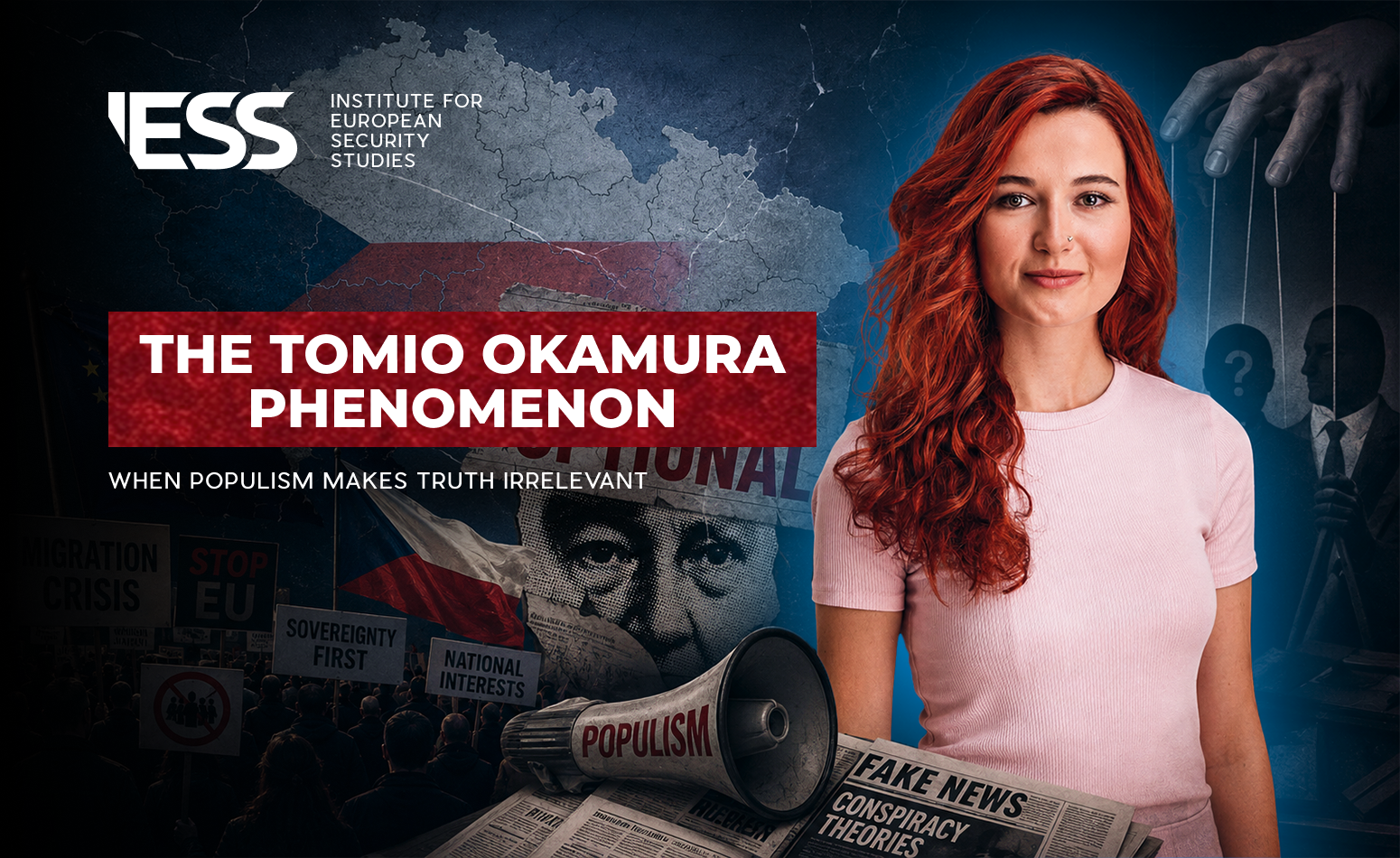
The Tomio Okamura Phenomenon: When Populism Makes Truth Irrelevant
IESS spoke with Katerina Demetrashvili, Member of the Czech Chamber of Deputies from the Czech Pirate Party, about the political phenomenon of Tomio Okamura, the transformation of SPD from permanent opposition into a governing force, and the way populism, conspiracy narratives and the erosion of objective truth create an environment increasingly compatible with Russian information warfare.
.png)
.png)
.png)
.png)
.png)
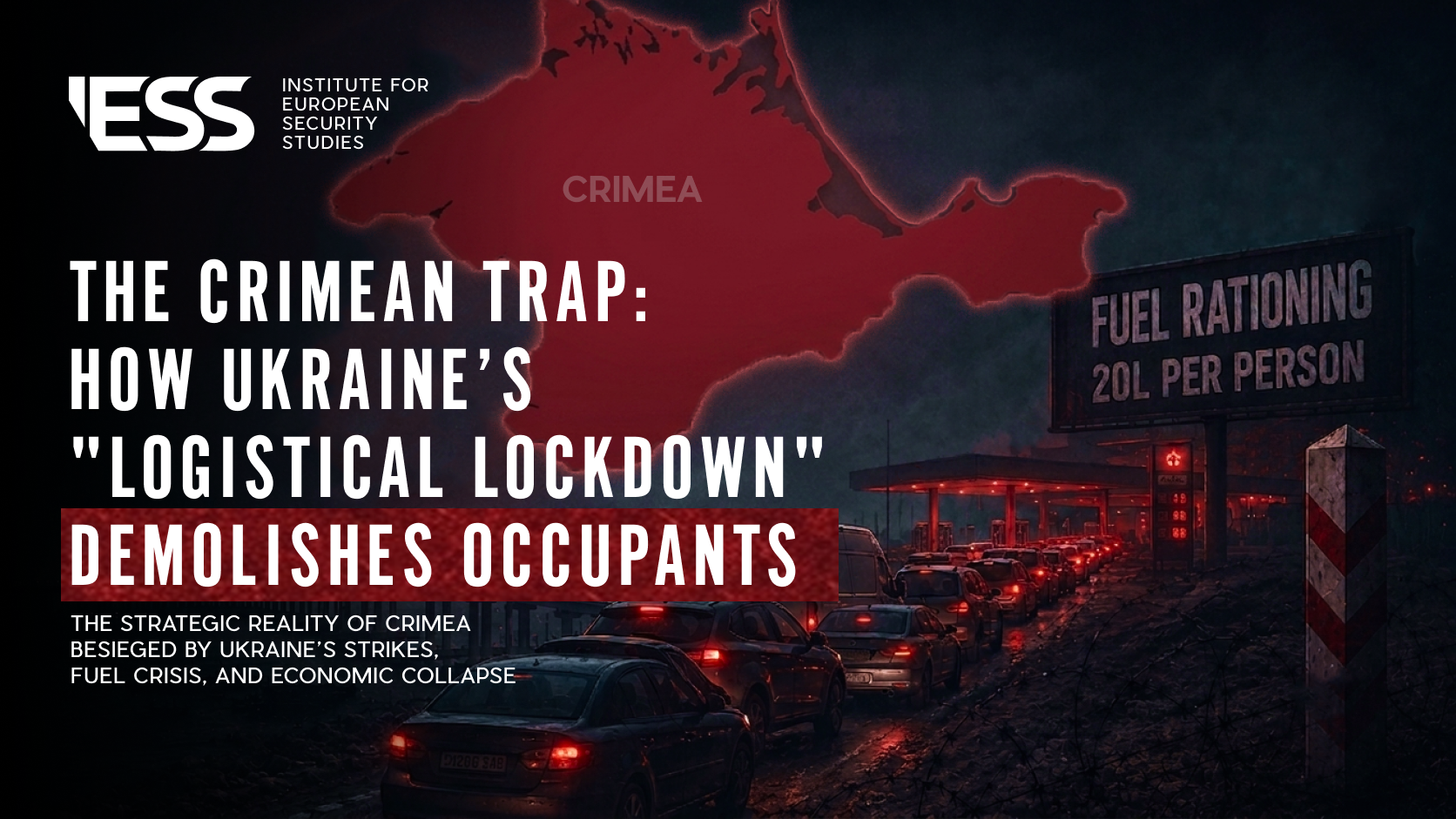
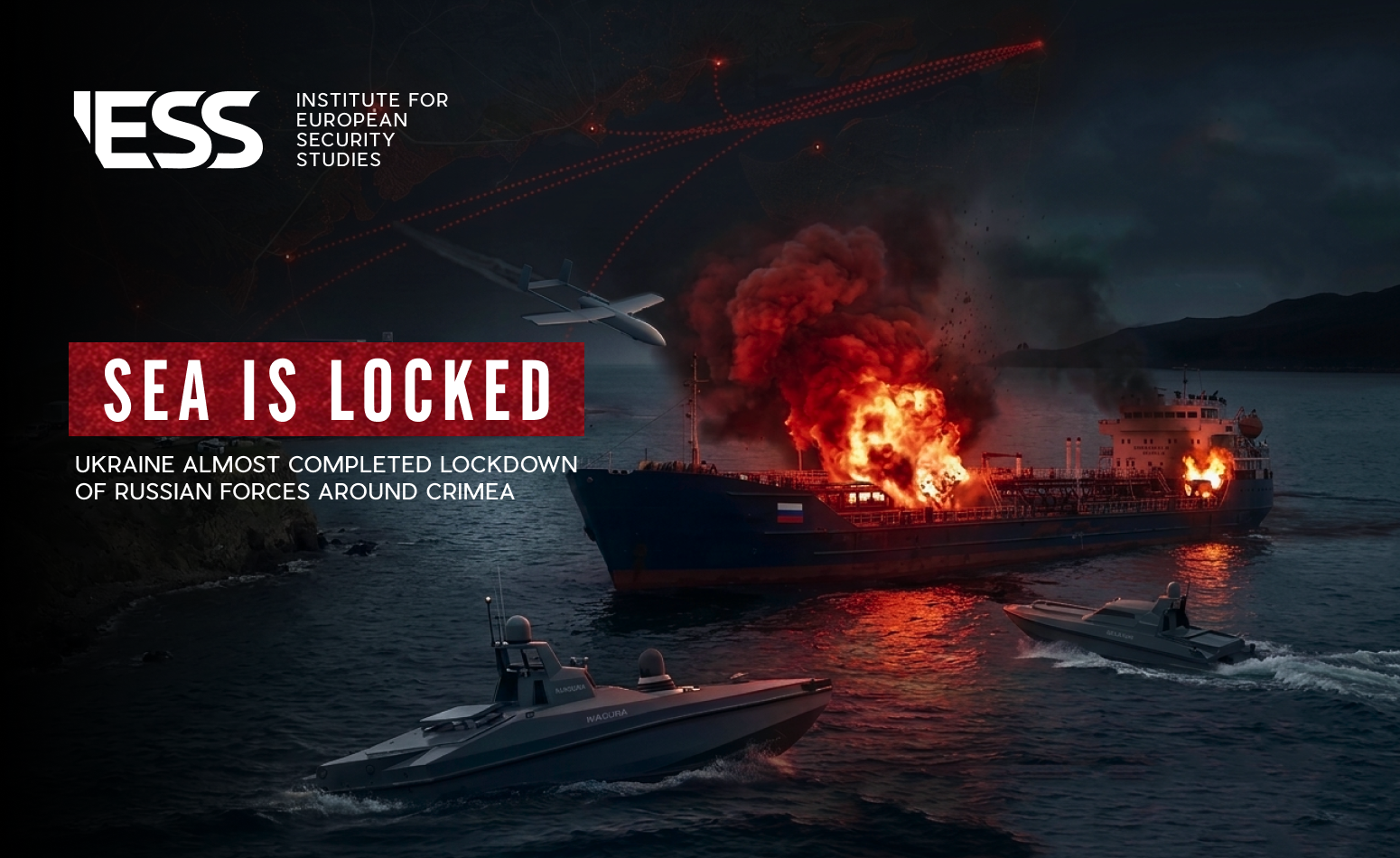
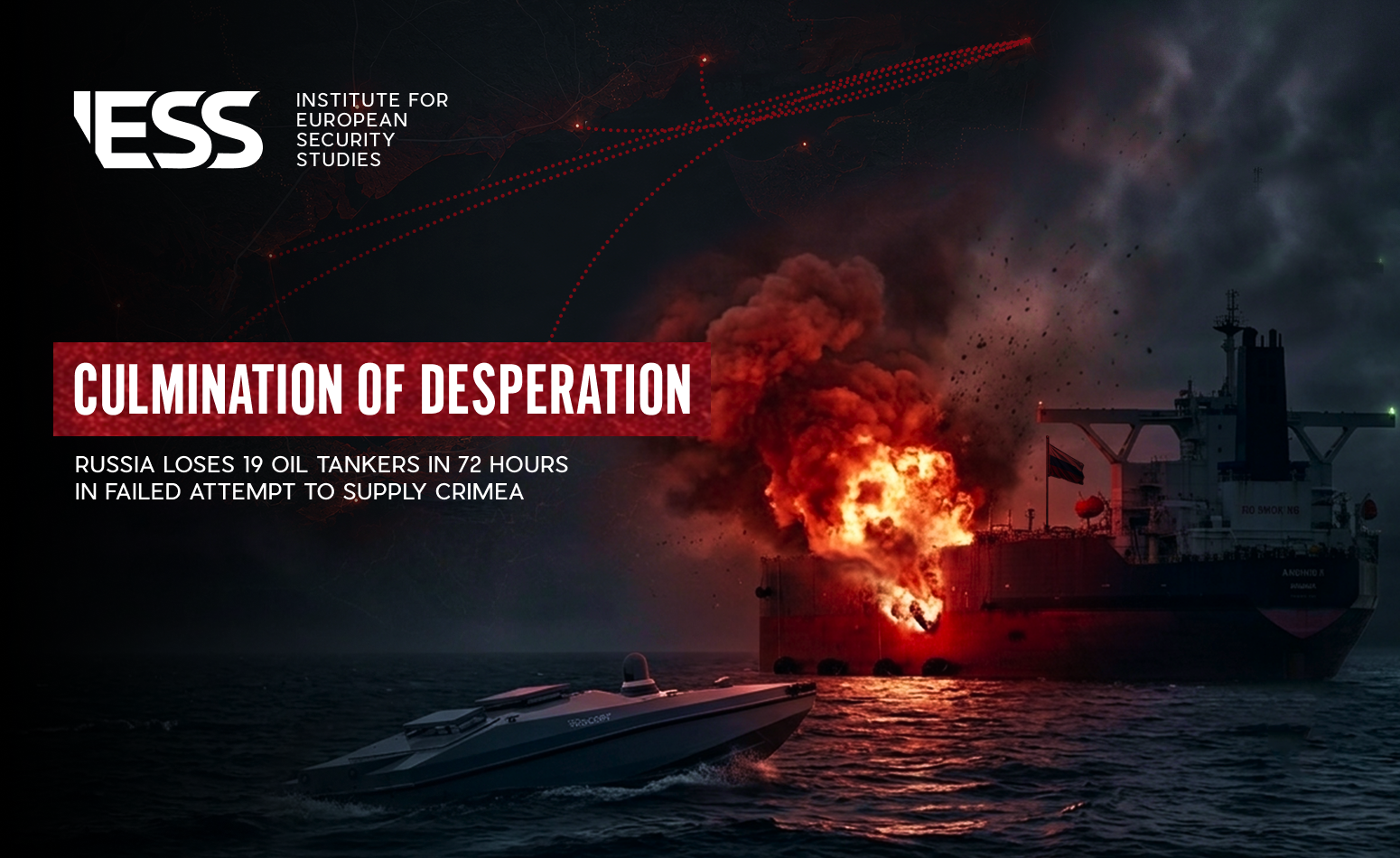
The Crimean Trap: How Ukraine’s "Logistical Lockdown" Demolishing Occupants
The strategic reality of the Crimean Peninsula is undergoing an irreversible transformation. Once heavily promoted by Moscow as an impregnable fortress, a symbol of imperial resurgence, and a safe rear base, occupied Crimea is rapidly turning into an isolated logistical trap.
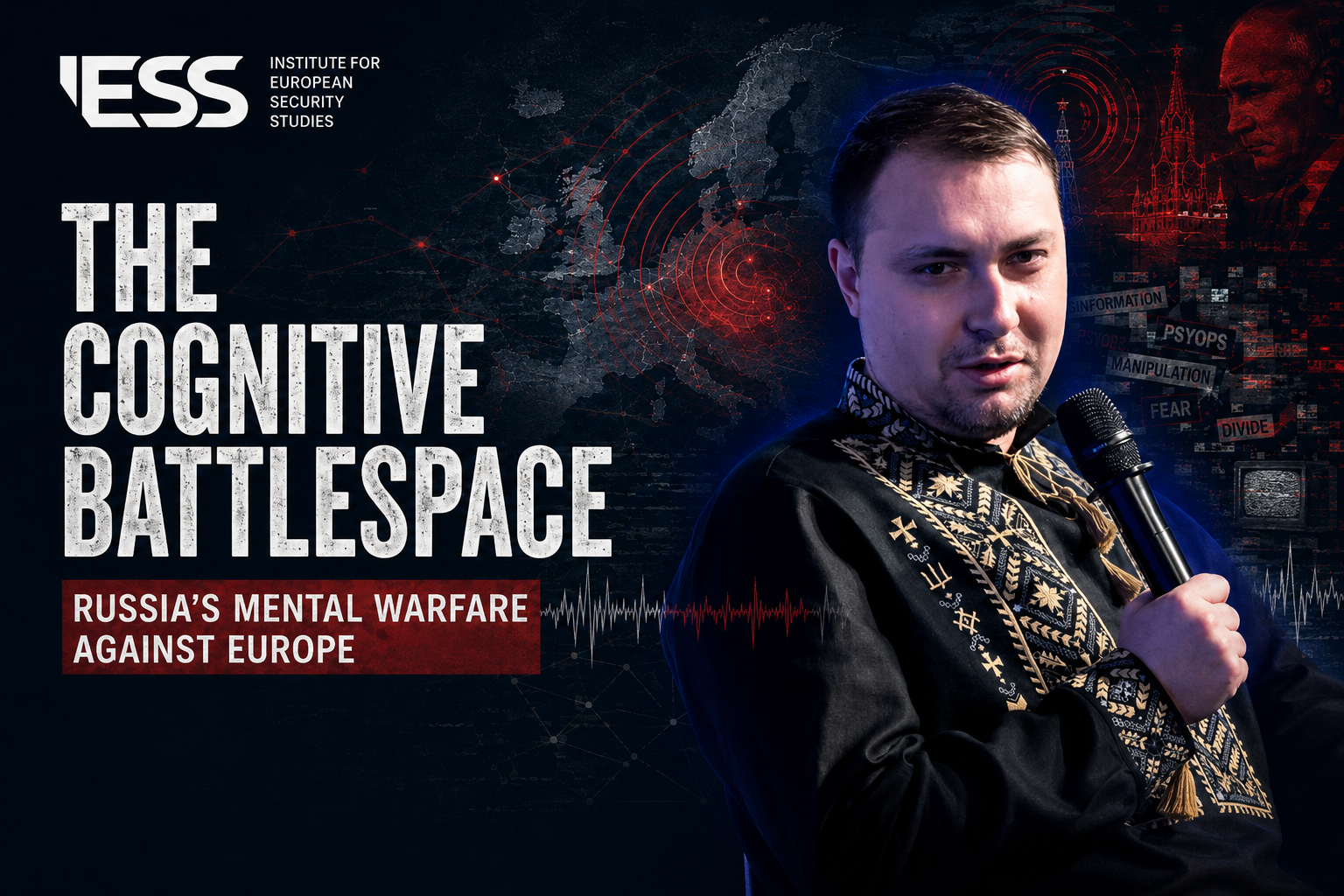
The Cognitive Battlespace: Russia’s mental warfare against Europe
During the Kyiv Stratcom Forum 2026, Kyrylo Budanov, Head of the Office of the President of Ukraine, articulated a stark warning regarding the scale and sophistication of Russian Cognitive Battlespace, filled with PSYOPs. Backed by colossal historical experience in the distortion of meaning and reality, the Kremlin's current cognitive warfare in Ukraine is not a localized issue. Rather, it serves as a live testing ground for psychological tactics designed to subvert democratic institutions, fracture societal unity, and threaten the broader security architecture of Europe.

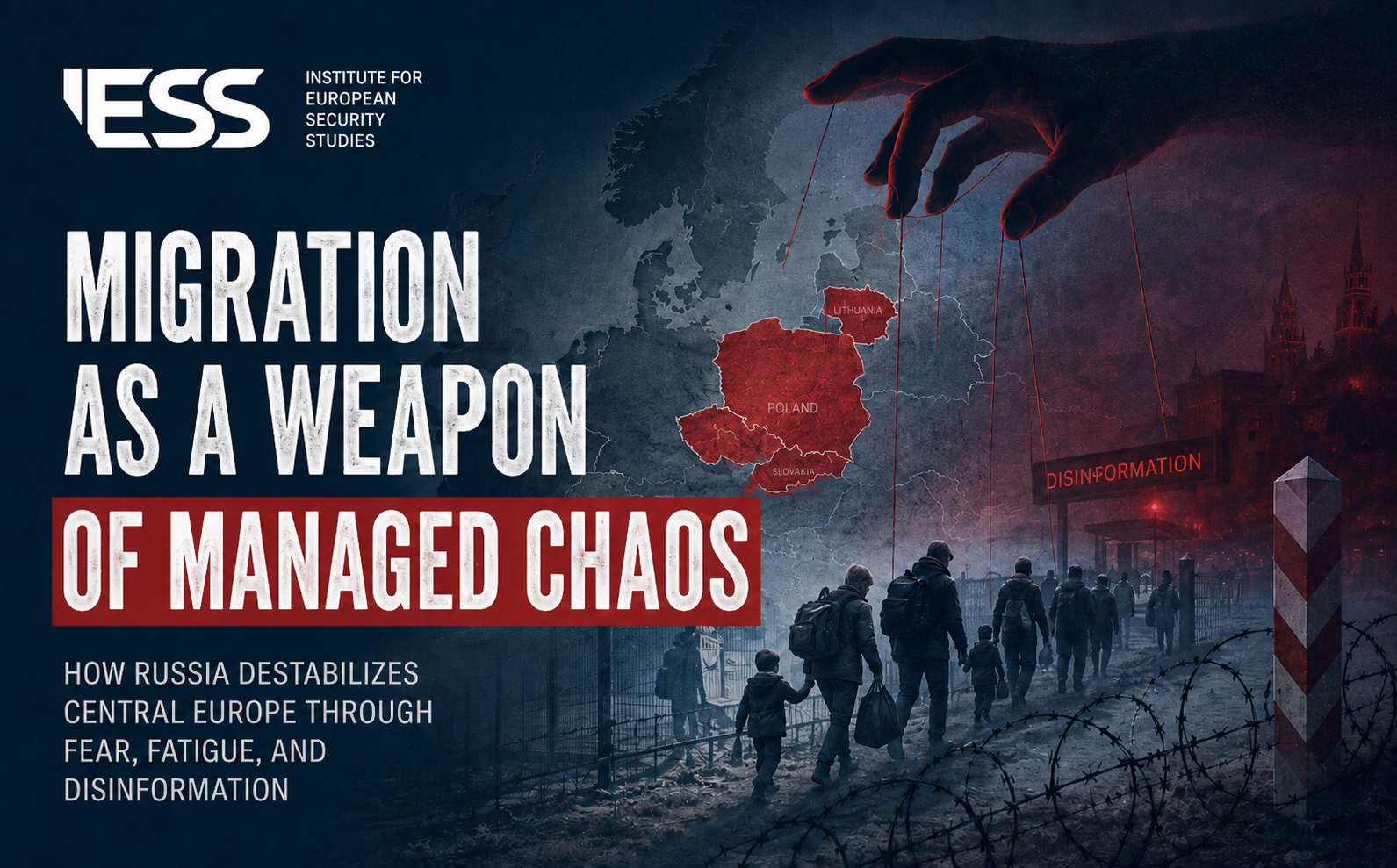
Migration as a weapon of managed chaos
Migration in Central Europe is no longer only a humanitarian or border-management issue, but a growing instrument of hybrid warfare used by Russia to exploit public fatigue, fuel anti-Ukrainian sentiment, and weaken regional resilience. This article examines how migration-related fears are being politicized and amplified in Poland, Czechia, and Slovakia — turning the consequences of Russian aggression into a tool of destabilization against Ukraine and its European partners.

IESS Statement: Not concern, but sanctions
What the story of Ukrainian grain from occupied territories actually means.
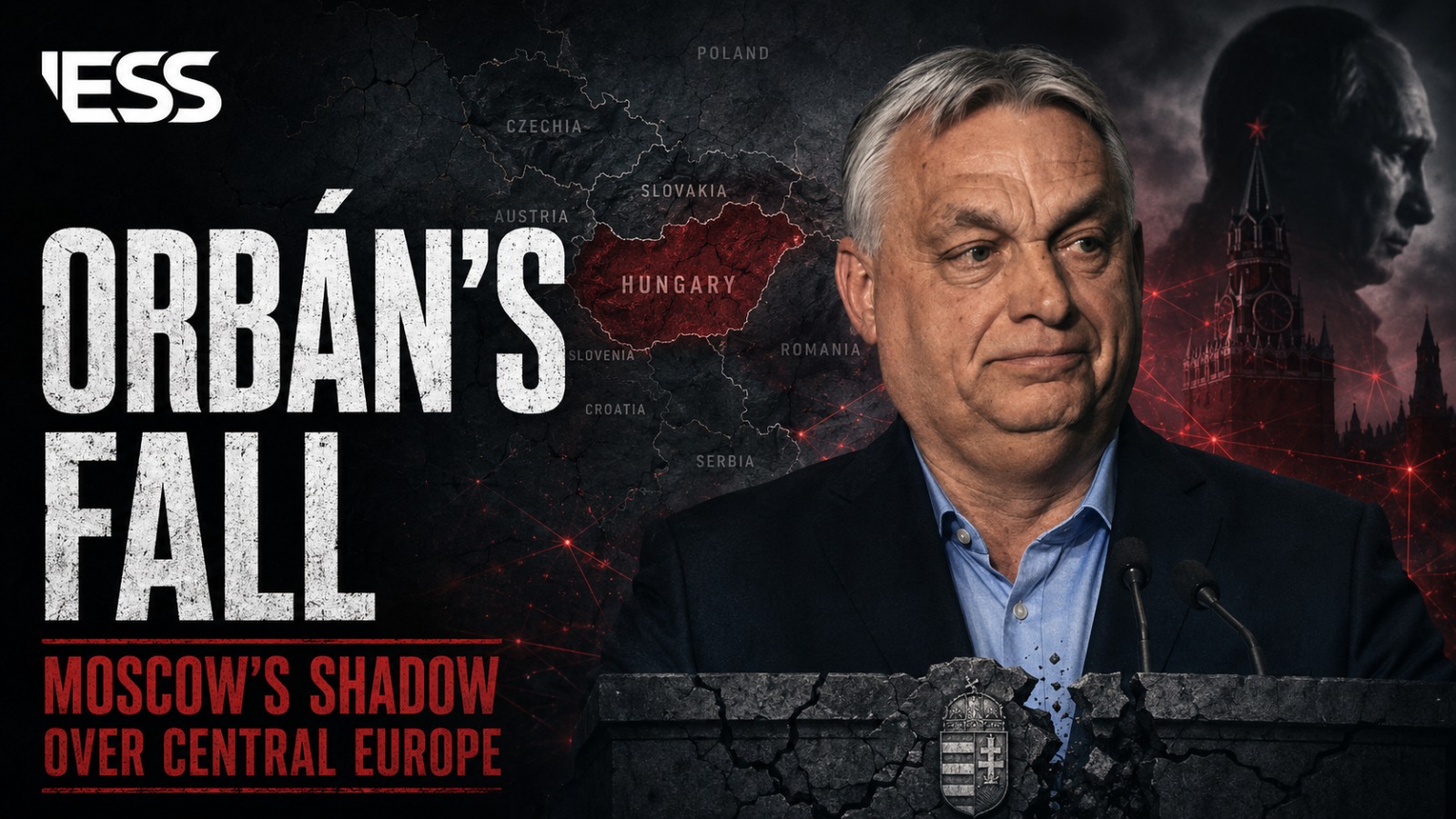

The War Began on 20 February 2014
In our explainer, we trace how Russia’s war against Ukraine unfolded long before the full-scale invasion of 24 February 2022. It follows the trajectory from the Revolution of Dignity and the occupation of Crimea through the hybrid war in Donbas, the evolution of Kremlin propaganda, and the escalation into Europe’s largest war since World War II. Along the way, it shows how narratives about “coups,” “Nazis,” elections, the church, and demonization of Ukrainian leaders were weaponized to justify aggression and later evolved into modern influence operations powered by digital networks, FIMI techniques, and AI-driven manipulation. This is not simply a campaign against Ukrainian statehood and agency, but an act of war against Europe. As Russia finalized its wartime mobilization model and prepares the capacity for further escalation, the war is unlikely to end quickly and will likely expand beyond its current form.